Material Composition and Texture
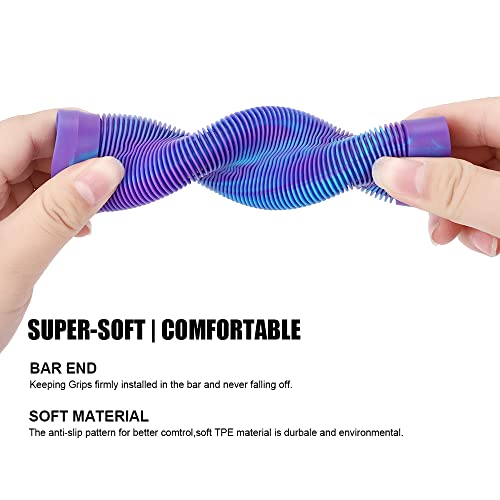
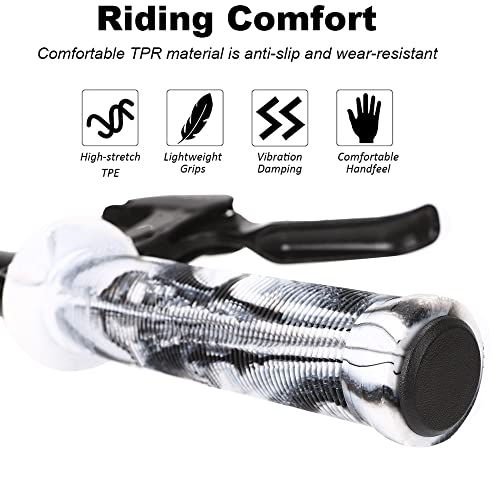
The material of your grips is the primary factor in how they feel and how they perform under pressure. Most high-quality grips fall into three categories: rubber, silicone, or foam. Rubber grips are the industry standard for durability and traction. They offer a 'tacky' feel that ensures your hands stay planted during sudden movements, making them ideal for aggressive riding. Silicone grips, on the other hand, provide exceptional vibration damping. They tend to be softer and more conformable to the shape of your hand, which is excellent for reducing the 'buzz' felt through the bars on rough terrain. Foam grips are lightweight and highly absorbent, often preferred by racers, but they can degrade more quickly when exposed to heavy UV rays or frequent cleaning.
Ergonomics and Hand Fatigue
If you suffer from ulnar nerve compression or general hand numbness, ergonomics should be your top priority. Standard cylindrical grips are great for maneuverability and quick hand repositioning, but they provide little support for the palm. For long-distance touring or commuting, look for ergonomic or 'wing' style grips. These feature a wider surface area that supports the base of the palm, distributing pressure more evenly across the hand. This prevents the concentrated pressure points that lead to tingling and fatigue. When selecting ergonomic options, ensure the width of the grip does not interfere with your ability to wrap your fingers around the bar for emergency braking or technical control.
Diameter and Grip Circumference
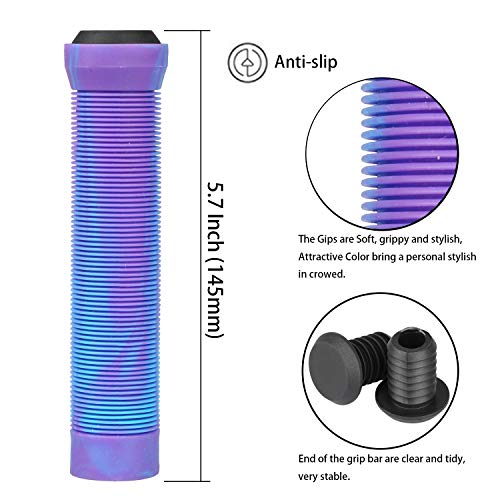
A common mistake is choosing grips based solely on looks without considering your hand size. The diameter of the grip significantly impacts your grip strength and control. If a grip is too thin, your hand will constantly be in a state of tension to keep it from slipping, leading to rapid fatigue. If the grip is too thick, you may struggle to wrap your fingers around it securely, compromising your ability to steer accurately. A good rule of thumb is that you should be able to wrap your fingers around the grip with a slight overlap or a very tight squeeze. For those with larger hands, a slightly larger diameter is often more comfortable, whereas smaller hands benefit from a more slender profile.
Lock-on Mechanisms vs. Slip-on
How the grip attaches to the handlebar is just as important as the material itself. Slip-on grips are aesthetically clean and lightweight, but they require careful installation (often using compressed air or isopropyl alcohol) to ensure they don't slide during a ride. For riders who demand maximum security, lock-on grips are the superior choice. These feature integrated metal collars that tighten onto the handlebar using hex bolts. This mechanical connection ensures that the grip will never rotate or slide, regardless of how much sweat, rain, or mud is present. While they add a tiny amount of weight and a more industrial look, the peace of mind they provide during intense riding is invaluable.
Weather Resistance and Maintenance
Consider your riding environment. If you frequently ride in the rain or through mud, look for grips with deep grooves or textured patterns designed to channel moisture away from the contact surface. Some materials, like certain synthetic rubbers, are more resistant to degradation from sun exposure and cleaning chemicals. If you opt for foam or softer silicone, be prepared for more frequent replacements, as these materials can become 'mushy' or lose their tackiness over time due to environmental exposure.