Material Composition and Tactile Feel
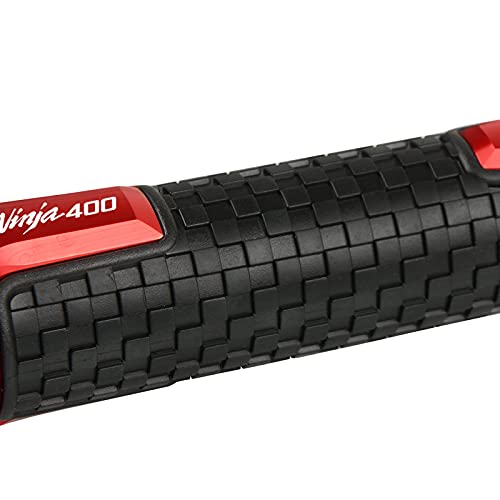
The material of your grips is the primary factor in how they handle sweat, weather, and vibration. Lanqian offers several variations, typically focusing on high-density rubber and ergonomic foam blends. Rubberized grips are the gold standard for durability and grip retention. They provide a 'tacky' feel that prevents your hands from slipping when they become sweaty. However, they can sometimes feel harsh on the palms during long rides. If you prioritize comfort and vibration absorption, look for grips with softer, more compressible textures. These act as micro-shock absorbers for the small bones in your hands, reducing the 'buzz' transmitted from rough asphalt or rocky trails.
Ergonomics and Shape Profiles
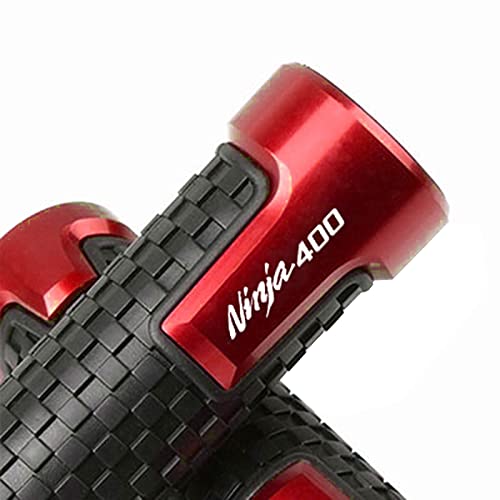
Not all grips are shaped the same, and the profile should match your riding style. For mountain bikers, cylindrical or 'lock-on' style grips are preferred because they offer consistent diameter and high security. These are designed to stay perfectly stationary on the bar, even under heavy braking or impact. For commuters or long-distance touring cyclists, ergonomic or 'wing' shaped grips are a game-changer. These wider profiles increase the surface area contact with your palm, spreading out the pressure and preventing the localized numbness often caused by narrow, round grips. When selecting, consider whether you prefer a slim profile for better finger dexterity or a wider profile for maximum comfort.
Texture and Patterning for Grip Security
The surface pattern—often referred to as the 'tread'—serves a dual purpose: it provides mechanical grip for your skin and facilitates drainage. In wet conditions, a grip with deep grooves or a knurled texture allows water to channel away from your palms, preventing the 'hydroplaning' effect that leads to slipping. For technical off-road riding, a more aggressive, raised pattern provides better lateral control. For road or urban use, a smoother, more subtle texture is often preferred to prevent irritation during repetitive hand movements. Pay attention to the depth of the pattern. Deeper grooves offer better wet-weather performance but may feel more intrusive during dry, high-cadence riding.
Installation and Retention Methods
How the grip attaches to your handlebar is critical for long-term usability. There are generally two camps: slip-on and lock-on. Slip-on grips are often made of softer materials and are installed using compressed air or soapy water. They offer a seamless, aesthetic look but can occasionally rotate if not installed perfectly. Lock-on grips utilize a metal sleeve with integrated bolts to clamp the grip directly to the bar. These are virtually impossible to twist and are much easier to replace or adjust. If you are a high-intensity rider who performs heavy maneuvers, the security of a lock-on mechanism is non-negotiable.
Summary Recommendation Logic
To make your final decision, follow this logic: If you are tackling rugged trails, prioritize lock-on rubber grips with an aggressive texture. If you are a daily commuter looking to reduce hand fatigue, opt for ergonomic, wide-profile foam or soft-compound grips. If you are a minimalist looking for a clean aesthetic for a city bike, go with a slim, slip-on rubber grip with a subtle pattern. Always match the grip diameter to your handlebar size to ensure a snug, effective fit.