Pocket Material and Archival Safety
The most critical decision factor in selecting a protector binder is the material used for the internal sleeves. Many budget binders use PVC (polyvinyl chloride), which is a death sentence for trading cards. Over time, PVC releases plasticizers that create a greasy, oily residue on the card surface, eventually causing the ink to lift or the card to stick permanently to the sleeve. When shopping, look exclusively for 'acid-free' and 'PVC-free' labels. Ideally, you want polypropylene or archival-safe polyester. These materials are chemically inert, meaning they won't react with the cardstock or the metallic inks used in modern monster-themed expansions, preventing discoloration and surface degradation.
Page Capacity and Ring Mechanism
Binders generally fall into two categories: ring binders and fixed-page binders. Ring binders offer the flexibility to add or remove pages as your collection grows, but the ring mechanism itself carries a risk. If the rings are not high-quality or are spaced too closely, turning a page can cause the cards to rub against the metal, leading to edge wear or 'whitening.' If you opt for a ring binder, ensure it features a heavy-duty, smooth-turning mechanism. Alternatively, fixed-page binders (often called 'folios') eliminate the ring risk entirely by sewing or gluing the pages directly into the spine. While less flexible, fixed-page binders provide a much flatter, more stable profile that is ideal for long-term archival storage on a shelf.
Sleeve Density and Protection Depth
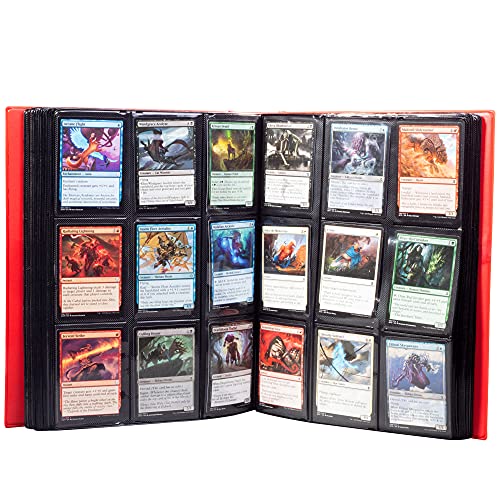
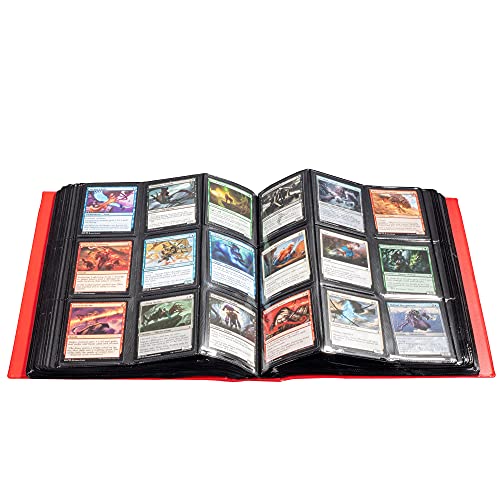
Not all pockets are created equal. For high-end monster cards, you should look for 'deep pockets' or 'side-loading' sleeves. Side-loading sleeves are superior because they prevent cards from sliding out of the top of the pocket if the binder is held vertically or tipped over. Furthermore, check the thickness of the pocket material. A 'double-pocket' design or a reinforced sleeve provides an extra layer of physical shielding against humidity and dust. If you are a serious collector, consider whether the binder is designed to hold standard trading card sizes or if it is specifically tailored for larger format cards, as a loose fit can lead to unnecessary movement and friction.
Aesthetics and Durability
Since many collectors use these binders to showcase their favorite monsters, the exterior design is often a primary draw. However, don't let flashy artwork overshadow structural integrity. Look for binders with a hard shell or a reinforced spine. A soft, flexible cover is prone to denting and warping, which can put uneven pressure on the internal pages. A premium protector binder should feel substantial in your hands, featuring a high-quality zipper closure. A zipper is highly recommended as it creates a seal against environmental contaminants like dust, moisture, and light, which are the primary enemies of long-term card preservation.
Summary Recommendation Logic
To make your final choice, follow this hierarchy: First, confirm the material is 100% acid-free and PVC-free. Second, decide between the flexibility of a ring binder or the stability of a fixed-page folio based on how often you plan to flip through the collection. Third, prioritize side-loading pockets to prevent accidental drops. If you are storing a collection of extreme rarity, prioritize a zippered, hard-shell folio. If you are actively building a growing collection, a high-quality, heavy-duty ring binder with reinforced rings is your best investment.