Identify Your Target Species
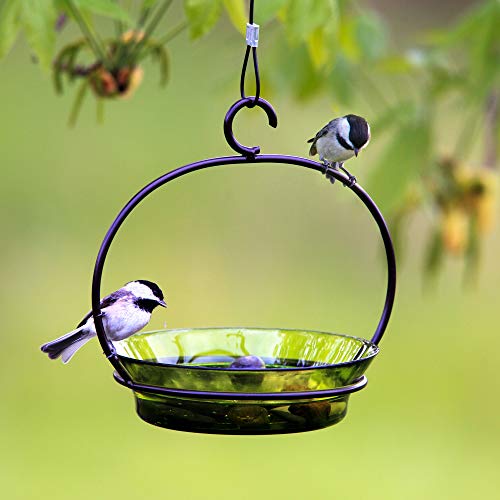
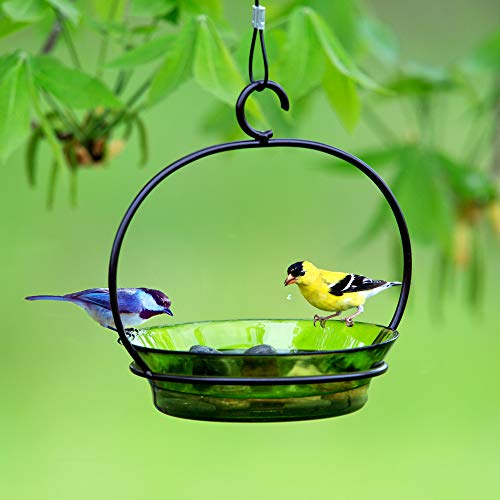
The most critical step in selecting a feeder is determining which birds you actually want to see in your yard. Bird species have highly specialized feeding habits. For example, if you are looking to attract finches and chickadees, a small-scale tube feeder or a mesh feeder designed for tiny seeds is ideal. However, if your goal is to host larger birds like cardinals or grosbeaks, you will need a feeder with wider perches and a larger feeding tray to accommodate their body size and beak structure. Hummingbirds require specialized nectar feeders with specialized ports to prevent fermentation and clogging, while woodpeckers often prefer suet feeders that allow them to cling to vertical surfaces. Before purchasing, observe your local bird population to ensure your choice aligns with their natural foraging behaviors.
Material Durability and Weather Resistance
Bird feeders are permanent outdoor fixtures subject to intense UV exposure, heavy rain, and fluctuating temperatures. When evaluating options, consider the material composition. High-quality polycarbonate or heavy-duty plastics are excellent for visibility and impact resistance, but they must be UV-stabilized to prevent yellowing and brittleness over time. Metal components, such as stainless steel or powder-coated aluminum, offer superior longevity and resistance to chewing pests like squirrels. Avoid feeders that rely heavily on thin, cheap plastics, as these can crack during a hard freeze or warp under direct summer sunlight. A well-constructed feeder should feel substantial and maintain its structural integrity through multiple seasonal cycles.
Ease of Maintenance and Sanitation
A beautiful feeder is useless if it becomes a breeding ground for avian diseases. Sanitation is the most overlooked aspect of bird feeding. You must look for designs that prioritize easy cleaning. This means wide openings that allow you to reach inside with a brush, detachable parts that can be soaked in a mild disinfectant, and smooth surfaces where seed hulls and dust won't get trapped in deep crevices. Avoid complex mechanical parts that are difficult to disassemble. A feeder that is a nightmare to clean will likely be neglected, leading to mold and bacterial growth that can be fatal to the very birds you are trying to help.
Squirrel Proofing and Protection
One of the greatest challenges in bird feeding is managing opportunistic visitors like squirrels and raccoons. If you want to protect your seed investment, look for feeders with integrated weight-sensitive mechanisms or baffle-compatible designs. Weight-sensitive feeders close the feeding ports when a heavier animal lands on the perch, while baffle-compatible designs allow you to mount a physical barrier on the pole below the feeder. Additionally, consider the seed type. Using