Prioritize Natural Texture and Diameter Variation
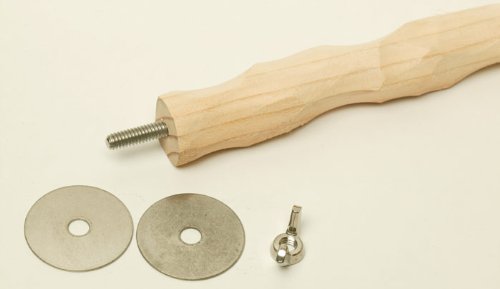
The single most important factor when selecting a high-quality perch is the diameter. In the wild, birds rarely land on a perfectly smooth, cylindrical branch. They navigate a landscape of varying thicknesses, knots, and ridges. When shopping for perches, look for 'natural wood' options that offer irregular diameters. This variation forces the bird to constantly adjust its grip, which exercises the small muscles in their feet and prevents the pressure points caused by uniform perches. If you are looking at man-made enrichment perches, ensure they feature textured surfaces that provide enough friction for a secure grip without being abrasive to the skin.
Material Safety and Toxicity
Not all wood is created equal. When selecting natural branch perches, you must be vigilant about the species of wood. Avoid any materials that have been chemically treated, stained, or varnished. Some common household woods can be toxic to psittacines. Stick to bird-safe woods such as manzanita, dragonwood, apple, or eucalyptus. If you are opting for synthetic or 'wizard' style perches that incorporate bells, ropes, or toys, ensure that the dyes used are non-toxic and that any metal components are powder-coated or made of stainless steel to prevent heavy metal poisoning through chewing.
Weight Capacity and Attachment Security
A perch is only as good as its stability. Larger species, such as Macaws or Cockatoos, exert significant force when landing or swinging. You must evaluate the mounting mechanism of the perch. Screw-in perches are generally more stable than those that rely on simple tension or clips. For heavy-duty enrichment perches that include hanging elements, ensure the central support is robust enough to handle the dynamic weight of a bird moving rapidly. A loose or wobbling perch can cause injury or lead to a loss of confidence in the bird's environment.
Incorporating Foraging and Mental Stimulation
The best perches serve a dual purpose: physical support and mental engagement. Modern enrichment perches often feature 'foraging stations' or integrated compartments where treats can be hidden. When browsing, look for designs that allow you to incorporate shredding materials, such as coconut husks or paper, or those that have built-in hooks for hanging toys. This prevents boredom—a leading cause of feather plucking and behavioral issues—by turning a simple resting spot into an interactive activity center.
Maintenance and Longevity
Finally, consider how easy the perch will be to clean. Natural wood perches are porous and can harbor bacteria or fecal matter over time. Look for perches that can be easily removed from the cage for deep cleaning or those made of materials that can be sanitized without degrading. If you choose a perch with integrated ropes or fabric, be aware that these elements will require more frequent replacement than a solid wood branch due to wear and tear from chewing and hygiene concerns.