Understanding Fiber Grades: Baby Alpaca vs. Adult Fiber
The most critical factor in your purchase is the fineness of the fiber. In the world of alpaca textiles, the term 'Baby Alpaca' does not refer to the age of the animal, but rather the micron count of the fleece. Baby alpaca represents the finest, softest fibers taken from the first shearing. These throws are exceptionally silky and lack the 'itch factor' that some lower-grade wools possess. If you plan to use the blanket directly against your skin, prioritizing baby alpaca is essential. Adult alpaca fiber, while still highly insulating and durable, has a slightly larger micron diameter, which can feel more textured and rustic. This is an excellent choice for foot-of-the-bed accents or decorative throws where tactile softness against the skin is less of a priority than visual texture.
Weight and Drape: The Importance of Weave
Alpaca blankets come in various weights, and your choice should depend on the intended use. A high-density, tightly woven throw is ideal for providing substantial warmth and a structured look that holds its shape on a chair. These are perfect for colder climates. Conversely, a looser, more open knit or a lighter weave provides a beautiful drape, making it ideal for layering. If you want a throw that flows elegantly over the arm of a mid-century modern sofa, look for a lighter weight. Pay close attention to the 'drape'—a quality throw should hang smoothly without excessive stiffness or awkward bunching.
Blends vs. 100% Pure Alpaca
While 100% alpaca is the gold standard for luxury, many warehouse selections offer blends. Common blends include alpaca mixed with silk for added sheen and softness, or alpaca mixed with merino wool for increased elasticity and structure. Blends can often be more budget-friendly and may offer different maintenance profiles. However, be wary of blends that include high percentages of synthetic fibers like acrylic or polyester. While synthetics can lower the price, they often diminish the natural thermoregulating properties of the alpaca and can lead to pilling over time. For the best long-term investment, aim for a high percentage of alpaca fiber.
Colorfastness and Natural Tones
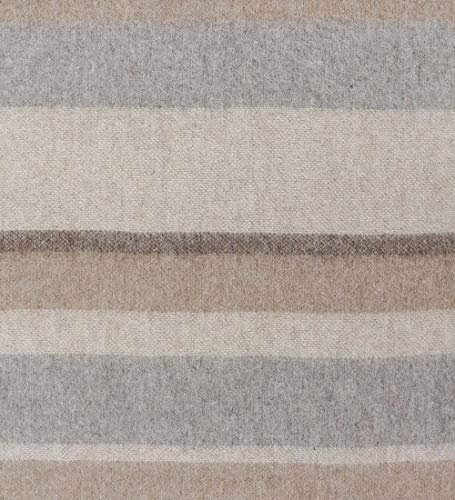
One of the unique advantages of alpaca is the incredible range of natural colors available within the fleece itself—from creamy whites and soft tans to deep chocolates and charcoal greys. Natural-colored throws are often more sustainable as they require less chemical dyeing. If you choose a dyed throw, ensure the manufacturer uses high-quality, eco-friendly dyes to prevent color bleeding and to maintain the integrity of the delicate fibers. Natural tones are also timeless, making them easier to integrate into evolving interior design schemes.
Maintenance and Longevity
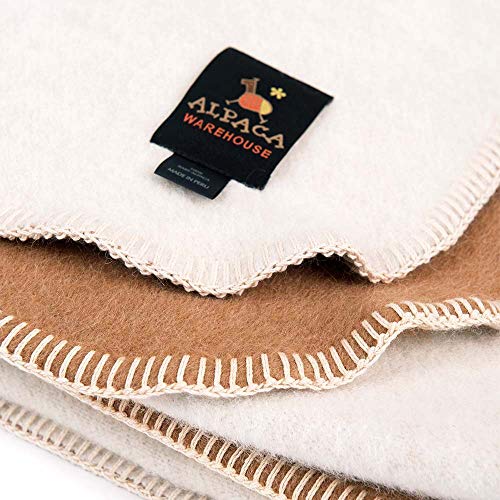
A high-quality alpaca throw is an investment piece. To ensure longevity, look for blankets that are constructed with reinforced edges to prevent fraying. Because alpaca fibers are delicate, avoid anything that requires aggressive machine washing. The best throws are those that can be easily refreshed through gentle spot cleaning or occasional professional dry cleaning. A well-maintained alpaca throw can last for decades, becoming a cherished heirloom in your home.