Material Composition and Durability
The most significant factor in selecting a dock line is the material. Most high-quality marine ropes fall into three categories: nylon, polyester, and polypropylene. For docking specifically, nylon is often the gold standard because of its exceptional elasticity. When a wave hits your boat or the wind gusts, nylon acts like a shock absorber, stretching to dissipate the energy rather than snapping under sudden tension. However, if you are operating in an environment where weight and buoyancy are more important than stretch, you might look toward polyester, which offers excellent UV resistance and holds its shape better under long-term tension. Avoid low-grade polypropylene for critical mooring tasks, as it tends to degrade quickly under sunlight and lacks the structural memory required for heavy-duty docking.
Diameter and Breaking Strength
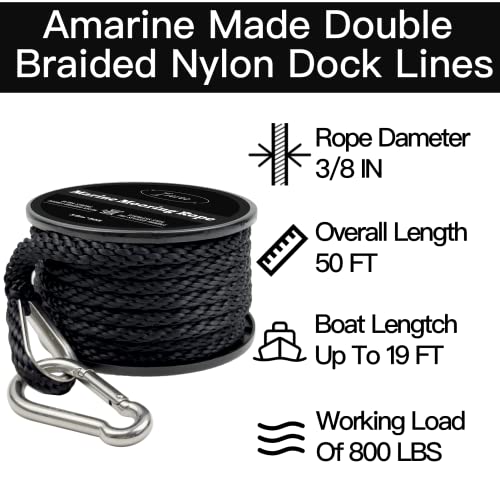
Choosing the correct diameter is a balancing act between strength and usability. A rope that is too thin may lack the breaking strength required to hold your specific vessel against a heavy current, posing a significant safety risk. Conversely, a rope that is excessively thick can be difficult to coil, manage, or pass through a cleat during a high-pressure docking maneuver. You must calculate your rope's breaking strength based on the displacement of your boat. A general rule of thumb is to ensure the line's minimum breaking strength significantly exceeds the maximum expected load, accounting for dynamic forces like wind and tide. When reviewing specifications, always look for the 'working load limit' (WLL) rather than just the ultimate breaking strength, as the WLL tells you what the rope can safely handle during daily use.
Abrasion and UV Resistance
Dock lines live a harsh life. They are constantly rubbing against metal cleats, wooden pilings, and concrete docks. This constant friction can lead to internal fiber degradation that isn't always visible to the naked eye. Look for ropes that feature a tight braid or a specialized coating designed to mitigate abrasion. Furthermore, because dock lines are almost always exposed to direct sunlight, UV degradation is a silent killer of rope integrity. High-quality marine ropes are treated with UV inhibitors to prevent the fibers from becoming brittle and losing their tensile strength over time. If you notice the rope feeling 'crunchy' or showing significant fraying, it is time for a replacement.
Handling and Tactile Properties
A dock line is only useful if you can actually work with it. In a docking situation, you may be working with wet, cold, or even gloved hands. Some ropes are designed with a 'soft' feel, making them much easier to loop around a cleat or tie a knot that stays secure without being impossibly tight. Avoid ropes that feel overly stiff or 'waxy,' as these can be difficult to manipulate in an emergency. The ideal dock line provides a balance of grip (to prevent slipping through your hands) and smoothness (to allow for quick knot tying and untying).