Understanding Bow Types: Compound vs. Recurve vs. Longbow
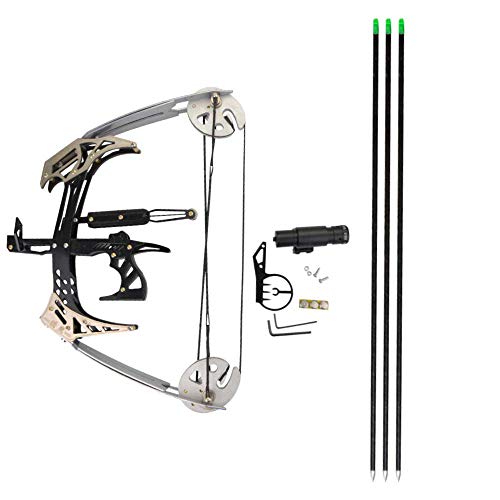
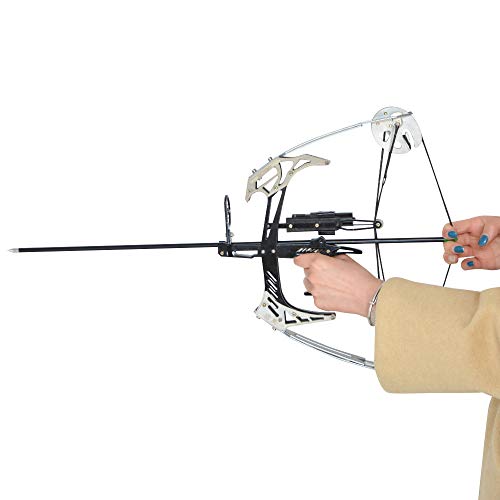
The first decision in your journey is selecting the fundamental architecture of your bow. Compound bows are the pinnacle of mechanical efficiency, utilizing a system of cams and cables to provide 'let-off.' This means that once you reach full draw, the weight holding the string back is significantly reduced, allowing for longer aiming periods and greater precision. These are ideal for hunters and competitive target archers who prioritize speed and stability. Conversely, recurve bows offer a more traditional feel with a higher degree of physical engagement. They are the standard for Olympic-style archery, requiring more strength and refined technique but offering a graceful, rhythmic shot cycle. Longbows are the purest form of the craft, favored by traditionalists for their simplicity and historical elegance. Choosing between these depends on whether you seek mechanical assistance or a raw, tactile connection to the shot.
Draw Weight and Physical Sustainability
One of the most common mistakes beginners make is selecting a bow with a draw weight that is too high. Draw weight refers to the amount of force required to pull the bowstring back to your anchor point. While it is tempting to aim for maximum power, an excessively heavy draw weight can lead to premature fatigue, poor form, and even repetitive strain injuries. For beginners, it is wise to start with a moderate weight that allows you to focus on consistent technique. As your muscle memory and back tension improve, you can transition to heavier limbs. For experienced archers, the goal is to find the 'sweet spot'—a weight heavy enough to ensure stable arrow flight and sufficient kinetic energy, but light enough to maintain perfect form through a full session.
Axle-to-Axle Length and Maneuverability
The physical dimensions of your bow play a critical role in how it handles in different environments. The axle-to-axle (ATA) measurement determines the overall length of the bow. A shorter ATA bow is generally more maneuverable, making it an excellent choice for hunters who need to navigate dense brush or move through tight spaces. However, shorter bows can sometimes be more sensitive to hand torque. Longer bows tend to be more stable and easier to aim, which is a significant advantage for stationary target shooting. When deciding, consider your primary use case: if you are shooting on a wind-swept field, stability is king. If you are trekking through a forest, compactness is your priority.
Component Compatibility and Customization
A bow is rarely a static object. It is a platform for customization. When shopping, consider how easy it will be to upgrade or adjust components like sights, stabilizers, arrow rests, and grips. Modern compound bows often feature modular designs that allow you to fine-tune the center of gravity and vibration dampening. For recurve archers, look for compatibility with various stabilizers and limb weights. A bow that allows for easy adjustment ensures that as your skill evolves, your equipment can evolve alongside you rather than becoming an obstacle to your progress.
Material Quality and Durability
Finally, pay close attention to the materials used in the limbs and riser. High-modulus carbon fiber and aerospace-grade aluminum are industry standards for a reason: they offer incredible stiffness-to-weight ratios and resist the warping effects of temperature changes. A high-quality riser provides a solid, vibration-free foundation, while premium limb materials ensure consistent energy transfer from the moment of release. Investing in a bow built from superior materials may carry a higher upfront cost, but it guarantees a much longer lifespan and more reliable performance over years of use.