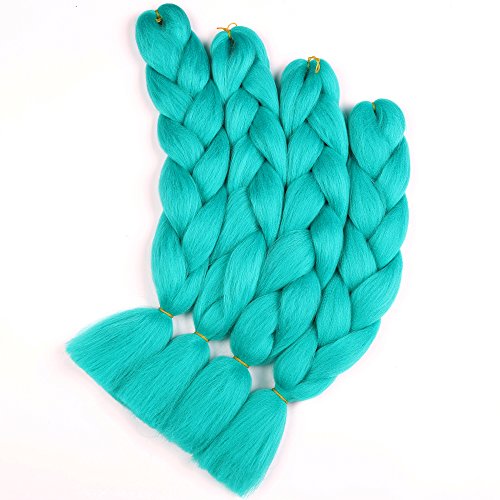
Understanding Fiber Texture and Weight
When shopping for Sharopul extensions, the first thing you must evaluate is the fiber composition. High-quality braiding hair should feel soft to the touch, not plastic or overly crunchy. This 'softness' is a key indicator of how much tension the hair will place on your natural roots. Heavy, stiff synthetic hair is a recipe for traction alopecia. Look for braids that specify a lightweight construction. These are designed to distribute weight evenly across the scalp, allowing you to wear the style for several weeks without discomfort. If the hair feels excessively thick or 'clumpy' in the pack, it may lead to excessive bulk at the roots, which can ruin the seamless look of knotless techniques.
Knotless vs. Traditional Installation Needs
Your choice of extension should be dictated by your preferred installation method. If you are opting for the knotless method—which is currently the gold standard for protecting the hairline—you need hair that is easy to feed in. The hair should be thin enough to be integrated gradually into your natural hair without creating a visible lump at the base. Traditional box braids, on the other hand, require a slightly more robust fiber to maintain the structural integrity of the knot. Check the packaging or product descriptions for mentions of 'pre-stretched' hair. Pre-stretched braids are a massive time-saver and ensure that every braid is uniform in length, preventing the uneven, jagged ends that often occur with non-stretched synthetic hair.
Durability and Frizz Resistance
One of the biggest complaints with synthetic braiding hair is the tendency to 'frizz' or become fuzzy after just a few days of wear. To ensure your braids look fresh for the full duration of your install, look for fibers that have a slight sheen rather than a high-gloss, artificial shine. A matte or natural luster finish typically indicates a higher-grade synthetic that is more resistant to the friction caused by pillows and clothing. Furthermore, consider the 'tangle factor.' High-quality extensions should have a smooth cuticle-like finish that prevents the strands from interlocking and creating mats, which can be a nightmare to remove during the takedown process.
Color Consistency and Blending
A successful braid installation relies heavily on how well the extension color blends with your natural hair or your chosen base color. When selecting Sharopul braids, pay close attention to the color depth. Single-tone colors can sometimes look flat. If you want a more dimensional look, look for ombre or mixed-tone packs. Ensure that the color description is precise—shades like '1B' (off-black) are much more natural-looking than a stark, jet black, which can often look artificial against many skin tones. Consistency is also key: ensure that the color is uniform throughout the entire pack to avoid visible streaks in your finished style.
Maintenance and Longevity Factors
Finally, consider how much maintenance you are willing to perform. Some braids are designed to be 'washable,' meaning the fiber can withstand a diluted shampoo rinse without losing its shape. If you plan on wearing your braids for more than four weeks, prioritize hair that maintains its elasticity. Avoid hair that feels overly brittle, as this is a sign that the fibers will snap or fray the moment they are subjected to moisture or heat styling.