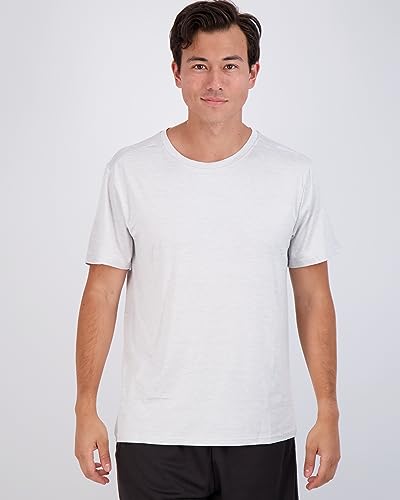
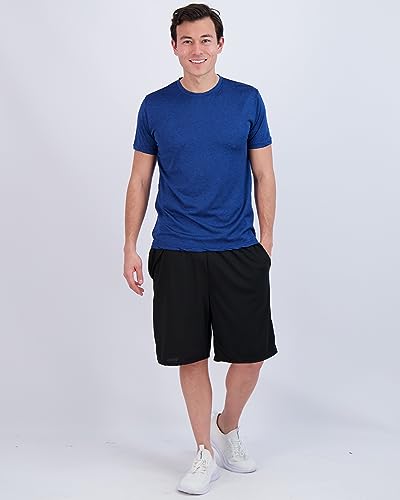
Prioritize Moisture-Wicking Fabric Technology
The most critical factor in selecting activewear is the material composition. For high-energy activities, avoid 100% heavy cotton. While cotton is soft, it acts like a sponge, absorbing sweat and becoming heavy, cold, and chafing against the skin. Instead, look for synthetic blends, specifically those containing polyester or nylon mixed with a touch of elastane (Spandex). These engineered fibers are designed to pull moisture away from the skin to the surface of the fabric where it can evaporate quickly. This 'wicking' action keeps the wearer dry and helps regulate body temperature during intense play. If you prefer a more natural feel, look for high-performance merino wool blends, which offer natural odor resistance and temperature regulation, though they typically come at a higher price point.
Consider the 'Stretch and Recovery' Factor
Activewear must move with the body, not against it. When evaluating a t-shirt, look for 'four-way stretch.' This means the fabric expands both crosswise and lengthwise, allowing for full range of motion during overhead reaches, sprints, or wrestling. However, stretch alone isn't enough. You must also look for 'recovery.' Recovery refers to the fabric's ability to snap back to its original shape after being stretched. A shirt with poor recovery will become baggy, misshapen, and lose its athletic silhouette after just a few hours of wear or a single trip through the laundry. A high-quality active shirt should maintain its structure even after a full day of heavy use.
Durability and Construction Details
Because boys' activewear undergoes rigorous mechanical stress, the construction of the shirt is just as important as the fabric. Pay close attention to the seams. Flatlock stitching is the gold standard for activewear. It lays flat against the skin to prevent chafing and is significantly more durable than standard overlock seams. Additionally, check the neckline and hem reinforcements. A reinforced crew neck prevents the collar from stretching out into a 'bacon neck' shape, and double-stitched hems ensure the shirt won't unravel after being tugged on during play. Consider the weight of the fabric as well—a medium-weight knit often provides a better balance of durability and breathability than ultra-thin, flimsy options.
Fit and Functionality for Different Sports
Not all activewear fits the same way. If the shirts are intended for team sports like soccer or basketball, a more 'athletic' or slim fit is often preferred to prevent excess fabric from getting caught or creating wind resistance. For general playground play or casual gym use, a 'relaxed' fit offers more comfort and airflow. Always consider the layering potential. If the shirt is meant to be a base layer under a jersey, it should be streamlined and moisture-wicking. If it is meant to be a standalone piece, it can afford to be slightly more substantial. Always check the sizing charts for 'active fit' versus 'standard fit,' as these can vary significantly between brands.