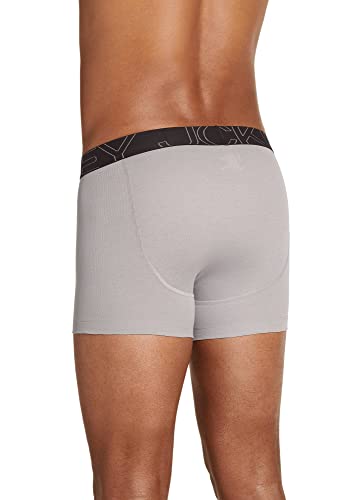
Prioritize Moisture-Wicking Fabric Technology
The single most important factor in athletic underwear is the material composition. Standard cotton briefs are excellent for everyday lounge wear, but they are a poor choice for athletics. Cotton absorbs moisture and holds it against the skin, which leads to heavy, damp fabric that causes chafing and can even lead to skin infections or discomfort in cooler climates. Instead, look for synthetic blends specifically engineered for moisture management. High-quality polyester and nylon blends are designed to pull sweat away from the body and distribute it across the surface of the fabric where it can evaporate quickly. Some premium options may also incorporate elastane or spandex to ensure the briefs maintain their shape even when saturated with perspiration.
Evaluate Support and Compression Levels
Unlike casual underwear, athletic briefs for boys often require a higher degree of structural support. Depending on the activity—whether it is high-impact sprinting or endurance running—you may want to look for varying levels of compression. Compression briefs help stabilize the muscles and provide a secure fit that prevents the fabric from bunching up during sudden movements. When evaluating support, check the waistband construction. A wide, soft, elastic waistband is preferable to thin, narrow bands, as it distributes pressure more evenly around the waist and prevents the briefs from sliding down during vigorous activity.
Focus on Seam Construction and Friction Reduction
Chafing is the primary enemy of the young athlete. To combat this, pay close attention to the seams. Look for 'flatlock stitching,' which is a technique where the fabric edges are joined flat against each other rather than being folded and sewn. This significantly reduces the thickness of the seam, minimizing the chance of the fabric rubbing against sensitive skin during repetitive motions like running or cycling. Additionally, consider the leg openings. For athletic briefs, a snug but non-constricting fit around the thigh helps keep the fabric in place, preventing the 'riding up' effect that causes irritation.
Consider Breathability and Ventilation
Heat regulation is vital for maintaining performance. Beyond just moisture-wicking, look for designs that incorporate mesh panels or micro-perforations in high-heat zones, such as the inner thighs or the lower back. These ventilated zones allow for increased airflow, helping to regulate body temperature and keep the skin dry. A brief that offers both moisture transport and physical ventilation will provide a much higher level of comfort during long periods of exertion.
Sizing for Longevity and Movement
Athletic underwear should fit like a second skin. If the briefs are too loose, the excess fabric will bunch and cause friction. If they are too tight, they will restrict circulation and cause discomfort. Because boys grow rapidly, many parents are tempted to size up, but for athletic purposes, a precise fit is necessary to ensure the compression and support features function as intended. Always check the manufacturer's specific sizing charts for athletic fits, as they often differ from standard casual underwear sizing.