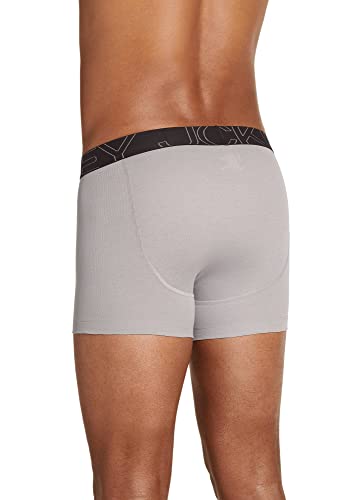
Prioritizing Fabric Composition and Breathability
The most important decision factor for any child's underwear is the fabric. Because boys are often in constant motion, moisture management is paramount. Look for high-percentage cotton blends. Cotton is naturally breathable and soft against sensitive skin, making it the gold standard for daily wear. However, for athletic use or high-activity days, a blend containing a small percentage of elastane or spandex is highly beneficial. This 'stretch factor' ensures the briefs retain their shape throughout the day and don't sag, which can lead to uncomfortable bunching. Avoid heavy, synthetic-only fabrics that trap heat, as these can lead to discomfort and skin irritation during physical activity.
Understanding the Importance of the Waistband
A poorly designed waistband is the primary culprit behind 'digging' and skin redness. When evaluating briefs, look for a soft, brushed elastic waistband that sits flat against the skin. A waistband that is too tight will leave red marks and cause distraction during school, while one that is too loose will constantly require adjustment. Ideally, the elastic should be encased in fabric to prevent direct contact with the skin, reducing the risk of chafing. If you are buying for a child with sensory sensitivities, prioritize seamless waistbands or those with ultra-flat stitching to minimize tactile irritation.
Fit and Cut: Ensuring Proper Support
Briefs are designed to provide more support and a more secure fit than loose-fitting boxers. For boys, this means the cut should follow the natural contours of the body without being restrictive. Pay attention to the leg openings. They should be snug enough to stay in place but not so tight that they pinch the thigh. A 'full coverage' cut is generally preferred for younger boys to ensure they stay comfortable while running and playing. For older boys transitioning into larger sizes, look for designs that offer a slightly higher rise to ensure the briefs stay in place under various types of trousers or athletic shorts.
Durability and Maintenance Considerations
Children’s clothing undergoes significant stress, from frequent washing to vigorous play. When selecting briefs, check the quality of the stitching, particularly around the seams and the leg openings. Reinforced seams are a sign of a product built to withstand the high-temperature washes often required for children's laundry. Additionally, consider how the fabric holds up to repeated drying cycles. High-quality cotton blends should maintain their softness and shape even after dozens of washes. If a product feels overly thin or 'flimsy' in the packaging, it is unlikely to survive a full school year of daily wear.
Decision Logic Summary
When making your final selection, use this hierarchy of needs: First, choose a breathable fabric (cotton-rich). Second, verify the waistband is soft and non-constricting. Third, ensure the fit provides adequate support for movement. By following this logic, you move away from simply buying 'packs' and instead move toward selecting reliable essentials that improve your child's daily comfort.