Prioritize Fabric Composition
The fabric is the most critical factor in a boy's daily comfort. Because children are often in motion, moisture management is paramount. Look for high cotton content—ideally between 90% and 95%—blended with a small percentage of elastane or spandex. Pure cotton is breathable and hypoallergenic, making it ideal for sensitive skin, but it lacks the 'snap-back' capability needed to prevent sagging throughout the day. A touch of synthetic stretch ensures the leg openings stay snug against the thigh and the waistband maintains its tension. Avoid heavy, overly thick fabrics that can cause overheating, and steer clear of low-quality synthetics that trap sweat and cause chafing during school or sports.
Focus on Waistband Integrity
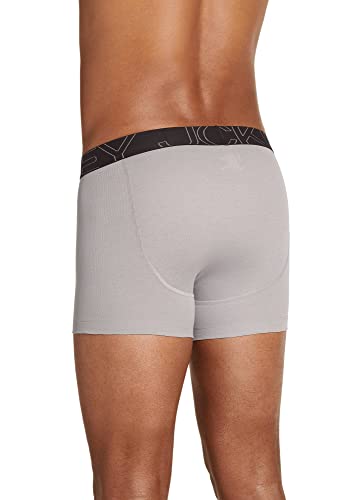
A poorly designed waistband is the primary cause of discomfort and distraction for a child. You want to look for 'soft-touch' or brushed elastic waistbands. A waistband that is too tight will leave red indentations on the skin, while one that is too loose will constantly require adjustment, leading to frustration. The best briefs feature a wide, flat waistband that sits securely against the waist without rolling or twisting. Check the stitching around the waistband. It should be reinforced to prevent the elastic from fraying or popping out of the fabric after only a few washes.
Size and Fit Dynamics
When shopping for briefs, remember that 'fit' refers to two distinct areas: the waist and the leg openings. For boys, the leg openings should be snug enough to prevent riding up, which causes significant irritation, but not so tight that they pinch the groin. Because children grow unpredictably, it is often wise to size up slightly if you are between measurements, provided the fabric has enough stretch to compensate. A 'true to size' fit in a high-stretch fabric is generally preferable to a loose fit in a rigid fabric, as the former allows for better movement and prevents the fabric from bunching up under trousers or shorts.
Durability and Maintenance
Generic underwear is often bought in multi-packs, which makes durability a key economic factor. High-quality briefs should feature flatlock seams—seams that lie flat against the skin rather than protruding. This reduces friction and prevents the seams from unraveling under the stress of play. Additionally, consider how the fabric reacts to heat. Since children's clothing requires frequent washing, look for materials that are rated for machine washing and drying without significant shrinkage. If the fabric feels thin or translucent in the packaging, it is unlikely to survive a heavy rotation of laundry cycles.
Decision Logic Summary
When making your final selection, use this hierarchy of needs: First, select for material (cotton-rich blends are the gold standard). Second, verify the waistband (soft and wide is better than thin and tight). Third, evaluate the seam construction (flat seams prevent chafing). By following this logic, you move away from simply buying the cheapest multi-pack and toward investing in reliable daily essentials that support a child's comfort and confidence.