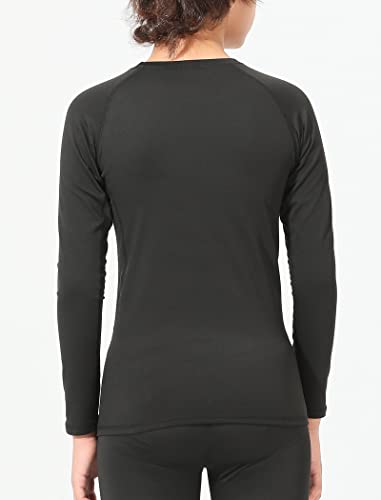
Fabric Composition and Breathability
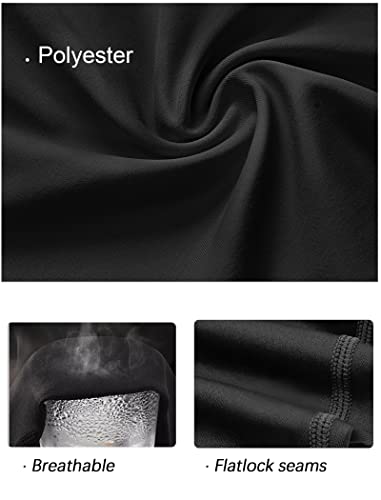
The most critical factor in any compression garment is the textile blend. For active boys, you want a high percentage of elastane (Spandex) blended with moisture-wicking polyester or nylon. The goal is 'four-way stretch,' which allows the fabric to expand and contract with the boy's movements without losing its shape. Avoid heavy, cotton-based blends that soak up sweat and become heavy. Instead, look for technical fabrics that pull moisture away from the skin to the surface of the garment where it can evaporate quickly. This prevents chafing and keeps the body temperature stable during intense bursts of activity.
Compression Level and Fit Precision
Not all compression is created equal. There is a fine line between 'supportive' and 'restrictive.' For general fitness and everyday sports, a medium compression level is ideal. This provides enough pressure to reduce muscle oscillation (the vibration of muscles during impact) without hindering blood flow or causing discomfort. When evaluating a product, look for descriptions that emphasize a 'second-skin fit.' If the garment is too loose, it isn't providing the intended physiological benefits. If it is too tight, it can impede circulation and cause skin irritation. Because boys are in constant growth phases, look for brands that offer specific size increments rather than generic small-to-large scaling.
Seam Construction and Skin Comfort
Because boys often engage in high-friction movements—such as sprinting, sliding, or tumbling—the construction of the seams is paramount. Look for 'flatlock stitching.' This technique lays the seam flat against the skin, significantly reducing the risk of redness and painful chafing. Additionally, consider the waistband design. A wide, soft, elasticated waistband will prevent the garment from rolling down or digging into the abdomen during core-intensive exercises. For boys with sensitive skin, the absence of bulky tags and the use of hypoallergenic dyes are also significant advantages.
Durability and Maintenance
Youth athletic gear undergoes significant stress. It is subjected to frequent washing, stretching, and contact with various surfaces. When selecting gear, prioritize reinforced stitching at high-stress points like the crotch and inner thighs. A high-quality compression garment should maintain its 'snap-back' capability even after dozens of wash cycles. To ensure longevity, always recommend washing these garments in cold water and avoiding the dryer, as high heat is the primary enemy of elastane fibers and will cause the garment to lose its compression properties prematurely.
Functional Versatility
Finally, consider how the garment will be used. Is it a base layer to be worn under a uniform, or a standalone piece for gym sessions? Base layers should be lightweight and highly breathable to prevent overheating under heavy jerseys. Standalone pieces may require slightly thicker fabric to provide modesty and durability. Choosing a versatile design that transitions easily from a warm-up layer to a recovery piece provides the best value for an active lifestyle.