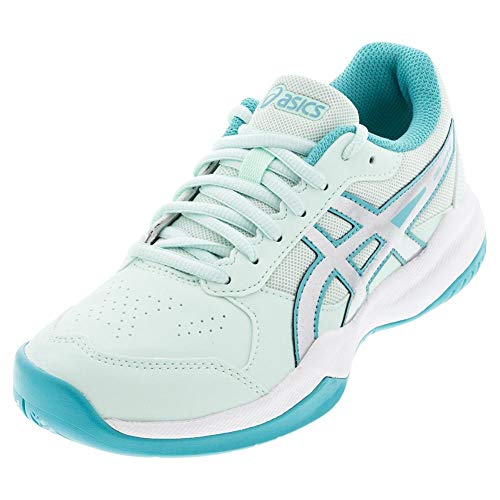
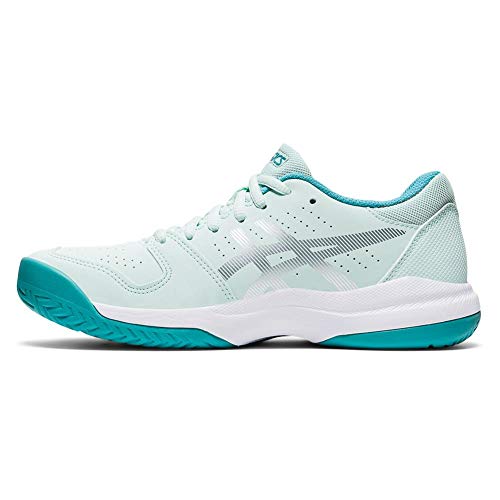
Prioritize Lateral Stability and Outsole Construction
The most defining characteristic of a tennis-specific shoe is its ability to resist lateral 'roll.' When a player reaches for a wide forehand or slides into a backhand, the force exerted on the side of the foot is immense. Look for shoes with reinforced sidewalls or 'outriggers'—small extensions of the sole that flare out slightly to provide a wider base of support. This prevents the foot from sliding off the footbed during high-intensity movements. Additionally, check the outsole material. High-quality tennis shoes utilize durable rubber compounds designed to withstand the friction of hard courts without wearing down instantly, while maintaining enough grip to prevent slipping.
Cushioning vs. Court Feel
One of the biggest decision factors for young players is the balance between impact protection and 'court feel.' If a boy is playing primarily on hard courts, which are unforgiving surfaces, a shoe with enhanced midsole cushioning (often utilizing specialized foam technologies) is vital to absorb shock and protect growing joints from repetitive impact. However, if he is a highly competitive player who relies on quick, reactive footwork, he might prefer a lower-profile shoe that offers more 'court feel.' A lower profile allows the player to feel the ground more intimately, providing better sensory feedback for rapid changes in direction, though it may offer slightly less impact protection than a maximalist cushioned model.
Durability and Toe Drag Protection
Boys can be notoriously hard on footwear, especially during the learning phase of tennis where footwork may not yet be perfectly optimized. Many players tend to drag their back foot during serves or wide reaches, which can shred the inner side of the shoe. When shopping, look for shoes that feature reinforced toe caps or dedicated 'drag protection' zones. These are extra layers of durable material stitched or molded onto the high-wear areas. Investing in a shoe with these features ensures that the footwear lasts an entire season rather than wearing out within a few months of heavy practice.
Breathability and Fit Consistency
Tennis matches can be intense and physically demanding, leading to significant heat buildup inside the shoe. Opt for models that incorporate engineered mesh or ventilation ports to allow moisture to escape. This not only keeps the feet cool but also helps prevent the buildup of moisture that leads to friction blisters. Regarding fit, ensure the shoe provides a secure midfoot lockdown. A boy’s foot should not slide forward inside the shoe when he stops abruptly. The upper should be snug enough to feel supportive but flexible enough to allow the natural expansion of the foot during vigorous activity.
Recommendation Logic: Choosing the Right Match
To make the final decision, categorize the player's needs. For a beginner or a recreational player, prioritize comfort and durability. A well-cushioned, sturdy shoe will provide a safe introduction to the sport. For the competitive junior player, prioritize lateral stability and lightweight responsiveness to support their speed and agility. Always consider the primary court surface—hard court shoes require much tougher outsoles than those designed for clay or grass.