Prioritizing Lateral Stability and Support
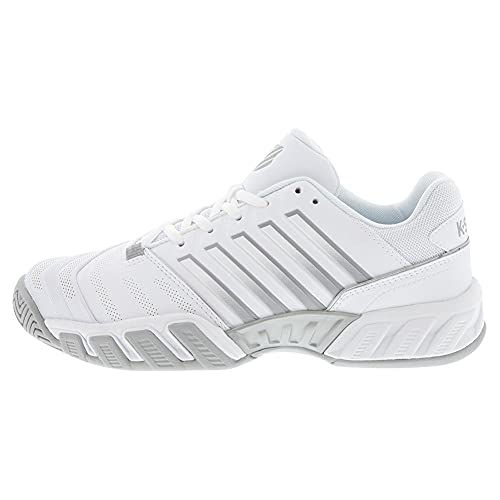
The defining characteristic of tennis is lateral movement. Unlike running, where the motion is primarily forward, tennis requires constant side-to-side shuffling and sudden changes in direction. When evaluating shoes for boys, look specifically for a reinforced lateral outrigger—this is a slight extension of the sole on the outer edge of the foot. This feature prevents the foot from 'rolling' over the edge of the shoe during a hard plant. Additionally, look for a structured upper made of synthetic materials or reinforced mesh that holds the foot firmly in place. A shoe that is too soft or flexible in the upper will allow the foot to slide inside the shoe, leading to friction and instability.
Outsole Durability and Surface Compatibility
The bottom of the shoe is where the most wear and tear occur. Boys tend to be harder on their gear, often dragging their toes during serves or sliding into shots. You should look for a durable rubber outsole with a multidirectional tread pattern. This pattern provides the necessary grip for quick starts and stops without being so aggressive that it causes tripping. It is also important to consider the court surface: if your son primarily plays on hard courts, look for a more dense, abrasion-resistant rubber. If he plays on clay, he will need a more specialized tread designed to shed loose material to maintain traction.
Cushioning vs. Court Feel
There is a delicate balance between cushioning and 'court feel.' High-level cushioning, often provided by specialized foam midsoles, helps absorb the shock of hard landings, which is crucial for protecting growing joints. However, too much cushion can make a shoe feel 'mushy,' causing a boy to lose the ability to feel the ground and react quickly. For younger boys who may be lighter and less aggressive, a moderate amount of cushioning is ideal. For older, more competitive junior players, a shoe that offers a balance of responsive cushioning and a lower profile for better court feel will allow for more precision in their footwork.
Fit, Growth, and Breathability
Because boys' feet grow rapidly, finding a fit that is secure but not restrictive is a challenge. A proper tennis shoe should have a snug heel to prevent slipping, but enough room in the toe box to allow for natural toe splay. Avoid shoes that are too large 'just to be safe,' as an oversized shoe is a primary cause of blisters and rolled ankles. Furthermore, tennis matches can be intense and sweaty. Look for shoes with engineered mesh panels or ventilation ports to ensure airflow. Breathability keeps the feet cool and helps manage moisture, which prevents the internal slipping that often leads to hot spots and discomfort during long sets.
Summary Recommendation Logic
When making your final decision, follow this hierarchy: first, ensure the shoe offers lateral stability to prevent injury. Second, check that the outsole is durable enough for your specific court surface. Third, select a cushioning level that matches your son's playing intensity. And finally, confirm the fit is secure enough to prevent internal sliding while allowing for healthy foot growth.