Prioritizing Lateral Stability and Outsole Design
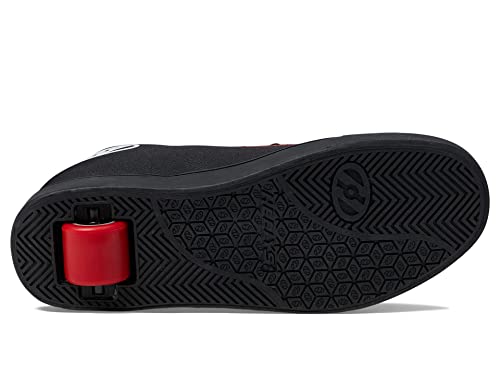
The most significant difference between a general athletic shoe and a tennis-specific shoe is lateral stability. In tennis, boys are constantly sliding, lunging, and pivoting. Look for shoes with a wider base and reinforced sidewalls. This structure prevents the foot from 'rolling' over the edge of the sole during a hard lateral cut. Furthermore, pay close attention to the outsole pattern. If your son plays primarily on hard courts, he will need a durable, non-marking rubber outsole with a multidirectional tread pattern to provide grip without sacrificing the ability to slide controlledly. For clay court players, a more herringbone-style tread is essential to maintain traction on loose surfaces.
Cushioning vs. Court Feel
There is often a trade-off in racquet sport footwear between maximum cushioning and 'court feel.' High-level cushioning is excellent for absorbing the shock of hard-court impacts, which is vital for protecting growing joints and preventing shin splints. However, if a shoe is too 'mushy' or thick, a young player may lose the tactile connection to the ground, making it harder to react to quick volleys. For beginners, a balanced approach is best: look for midsole technologies that offer responsive energy return. This provides enough shock absorption for comfort while remaining firm enough to allow for quick, explosive footwork.
Durability and Material Construction
Boys can be notoriously hard on their gear. Tennis involves constant friction, particularly at the inner toe area where the foot drags during serves and lateral movements. When evaluating shoes, look for reinforced toe caps or synthetic overlays in high-wear zones. While mesh upper materials offer superior breathability—which is essential for keeping feet cool during long matches—they can sometimes lack the structural integrity needed for high-intensity play. A hybrid construction, featuring breathable mesh panels paired with durable synthetic skins, typically offers the best longevity for an active junior player.
Fit, Sizing, and Growth Considerations
A proper fit in tennis is non-negotiable. The shoe should be snug enough to prevent the foot from sliding inside the shoe (which causes blisters), but there must be enough room in the toe box to allow for natural toe splay. A common mistake is buying shoes that are too tight in an attempt to provide 'support,' which actually restricts blood flow and causes discomfort during long sessions. Always check the heel lockdown. The heel should stay firmly in place without slipping when the player performs quick starts and stops. Because children's feet grow rapidly, it is wise to allow for a thumb's width of space at the front, ensuring the shoe remains functional for a full season of play.
Summary Recommendation Logic
When making your final selection, use this hierarchy of needs: First, ensure the shoe is specifically categorized for tennis to guarantee lateral support. Second, match the outsole tread to the specific court surface your child uses most. Third, prioritize durability in the toe area to maximize the life of your investment. Finally, prioritize a secure midfoot lockdown to ensure the shoe moves as a single unit with the foot, providing the confidence needed to compete at a higher level.