Prioritize Color and Aesthetic Compliance
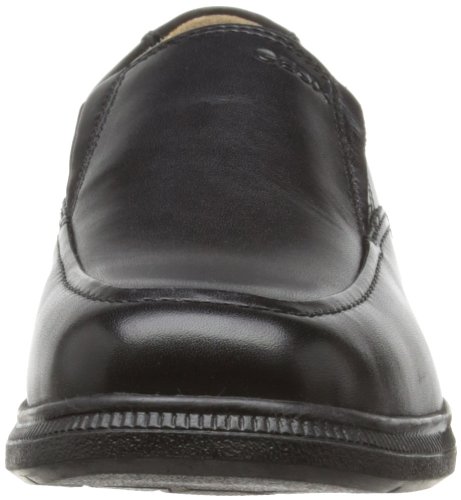
Most school dress codes for sneakers are quite specific, usually requiring a monochromatic palette. To avoid constant trips to the shoe store, focus on solid black or deep navy options. Avoid sneakers with large, contrasting logos, neon accents, or multi-colored soles, as these often violate formal uniform policies. The ideal school sneaker is one where the branding is subtle or tonal—meaning the logo is the same color as the shoe itself. A clean, leather-look synthetic upper often bridges the gap between a casual athletic shoe and a formal uniform requirement, providing a polished appearance that satisfies teachers while offering the comfort of a trainer.
Durability and Material Selection
Boys are notoriously hard on footwear. When selecting a sneaker, the material of the upper is your first line of defense against wear and tear. Synthetic leather is often a superior choice for school environments because it is easier to wipe clean after a muddy recess than traditional mesh or canvas. Mesh provides excellent breathability, which is great for preventing sweaty feet, but it can tear easily if caught on playground equipment. Look for reinforced toe caps—an extra layer of material over the front of the shoe—to prevent the common issue of 'toe scuffing' that occurs during active play. Additionally, check the quality of the stitching around the sole. A glued sole is common, but stitched construction generally offers much higher longevity.
Since many boys are in rapid growth phases, footwear must support developing arches and provide adequate shock absorption. Avoid ultra-flat, thin-soled sneakers that offer no cushioning, as these can lead to foot fatigue and discomfort by midday. Look for sneakers with contoured footbeds and EVA (ethylene-vinyl acetate) midsoles, which provide lightweight cushioning to absorb the impact of running on asphalt. If your child requires orthopedic support, ensure the sneaker has a removable insole so that custom orthotics can be easily inserted without compromising the fit of the shoe.
Ease of Use: Fasteners and Fit
The method of fastening can significantly impact a child's independence and the shoe's longevity. While traditional laces offer the most adjustable, secure fit, they can become untied during physical education or lead to tripping hazards. For younger students, hook-and-loop (Velcro) straps are highly recommended as they allow for quick adjustments and easy on-and-off transitions. For older students, a hybrid approach—using laces for security with an elasticated tongue—can provide a streamlined look that stays tight throughout the day. Always ensure there is about a thumb's width of space between the toes and the front of the shoe to allow for natural foot expansion during activity.
The Sole Factor: Grip and Traction
Finally, consider the outsole material. A rubberized outsole with a multi-directional tread pattern is essential for preventing slips on wet hallways or polished gym floors. Avoid hard plastic soles, which can be incredibly slippery and loud when walking through quiet corridors. A flexible sole that allows the foot to roll naturally during a stride will also contribute to better gait mechanics and overall comfort throughout the school week.