Prioritize Fabric and Breathability
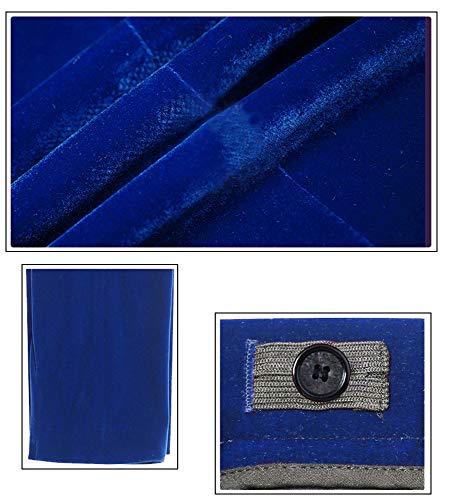
The most critical factor in a boy's suit is the material composition. Unlike adult formalwear, which often prioritizes heavy, structured fabrics, children's clothing must account for higher body temperatures and more frequent movement. For summer weddings or outdoor events, look for lightweight cotton blends or linen. These fabrics allow for airflow, preventing the discomfort of overheating. For winter ceremonies or more formal evening affairs, a lightweight wool blend or a high-quality polyester-viscose mix offers a more structured, sophisticated silhouette without being overly restrictive. Avoid excessively high synthetic percentages that lack breathability, as these can lead to skin irritation and discomfort during long events.
Understanding the Importance of Fit and Adjustability
Children grow at unpredictable rates, which makes 'the perfect fit' a moving target. When evaluating a suit, look for features that provide longevity and comfort. Waistbands with internal elastic adjusters are a gold standard for boys' formalwear, allowing you to tighten or loosen the trousers as the child grows or after a heavy meal. The shoulder seam is the most important structural element. The seam should sit right at the edge of the shoulder to prevent a 'slumping' look. If the shoulders are too wide, the suit will look borrowed. If they are too narrow, the child will be unable to move his arms freely. Always check the sleeve length—it should hit just at the wrist bone to allow for a crisp shirt cuff to peek through.
Matching Style to the Occasion
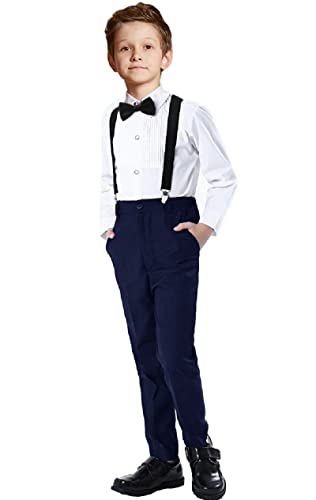
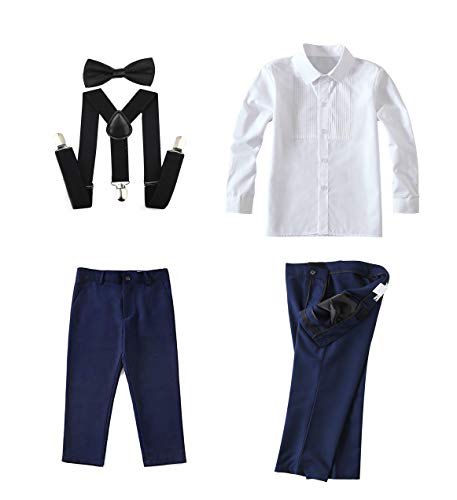
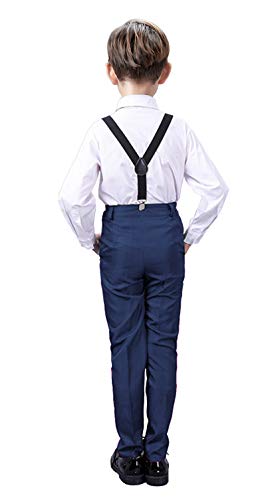
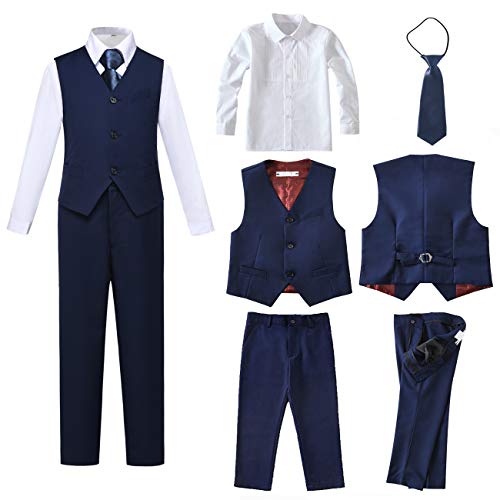
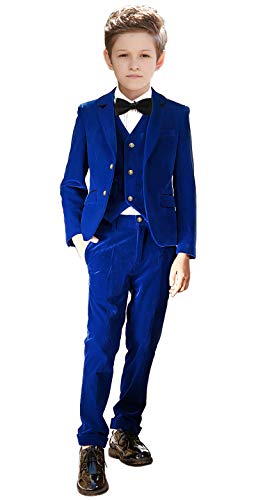
Not all suits are created equal, and the 'vibe' of the event should dictate your choice. For semi-formal events like a graduation or a dinner party, a two-piece suit in navy, charcoal, or tan is versatile and timeless. If the event is a black-tie affair, such as a formal wedding, consider a three-piece suit including a waistcoat (vest). The waistcoat is a secret weapon for parents: it keeps the boy looking 'put together' even if he removes his jacket to play. For more relaxed, bohemian, or beach-themed celebrations, consider unstructured blazers paired with chinos rather than a traditional matching suit set.
Durability and Ease of Care
Let’s be realistic: children are prone to spills, scuffs, and sudden bouts of activity. A suit that requires professional dry cleaning for every minor smudge may become a burden. Look for 'easy-care' fabrics or blends that are wrinkle-resistant. While pure silk or high-end wool is beautiful, a high-quality synthetic blend often holds its shape better through multiple wears and is more forgiving of the inevitable wrinkles that occur when a child sits on the floor or runs around. Check the stitching quality at the pockets and seams. Reinforced stitching is a sign of a suit built to survive the rigors of childhood.
The Logic of Layering
When building a suit ensemble, think in layers. A great suit is often defined by what is worn underneath. Ensure the shirt you pair with the suit is made of soft, breathable cotton to prevent itching at the neck. If you are purchasing a suit for a specific season, consider the weight of the shirt and tie. A heavy velvet bowtie might look great in photos, but it can be distracting for a toddler. Aim for a cohesive look where the accessories—tie, pocket square, and belt—complement the suit color without overwhelming the child's natural appearance.