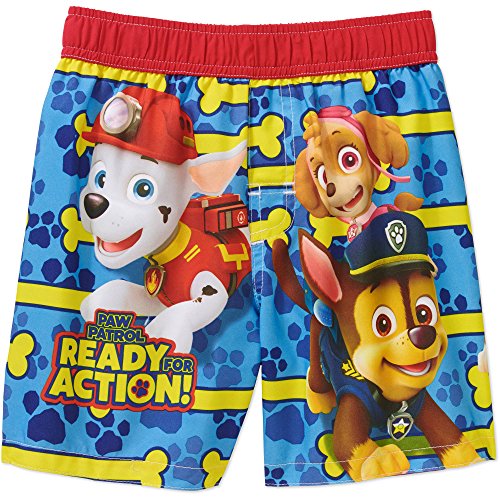
When selecting trunks for boys, the fabric is the most critical component. Boys are rarely stationary. They are jumping, running, and sliding. You want a high-quality synthetic blend—typically polyester or nylon mixed with spandex—that offers four-way stretch. This stretch is vital for preventing the fabric from digging into the waist or restricting movement during active play. Furthermore, look specifically for quick-dry capabilities. Nothing ruins a post-swim afternoon like a child sitting in heavy, sodden fabric. High-performance fabrics help moisture evaporate rapidly, reducing the risk of chafing and ensuring the child stays comfortable even after they leave the water.
Evaluate the Waistband and Closure Systems
The waistband is where many swim trunks fail. For younger boys, an elastic waistband with a functional drawstring is non-negotiable. The drawstring allows for a customizable fit that stays secure even during heavy splashing or underwater wrestling. For older boys, you might look for a hybrid style that offers a more structured waistband, but the core requirement remains the same: it must stay in place. Avoid waistbands that are purely elastic without a way to tighten them, as these tend to slip down when the fabric becomes heavy with water. A secure fit prevents the dreaded 'wardrobe malfunction' during cannonballs.
Consider Length and Cut for Activity Levels
The 'cut' of the trunks dictates how much freedom of movement the boy will have. There are generally two styles to consider: the classic mid-thigh length and the longer, boardshort-style cut. For toddlers and younger children, a shorter length is often more practical as it prevents the fabric from bunching up or getting caught between the legs. For older boys who are more athletic, a slightly longer cut provides more coverage and protection against skin irritation from surfboards or pool edges. When choosing, consider the primary environment. Beach-goers may benefit from longer, more protective styles, while pool-side players often prefer the agility of a shorter cut.
Durability and Print Integrity
Because boys' swimwear undergoes constant exposure to chlorine, salt water, and intense UV rays, the quality of the print and the stitching is paramount. Cheaply made trunks will see their vibrant colors fade into dull pastels after just a few swims. Look for trunks that utilize sublimation printing, a process where the dye is infused directly into the fibers. This ensures the patterns—whether they are tropical motifs, geometric shapes, or character themes—remain vivid and resist cracking or peeling. Additionally, check the seams. Reinforced stitching at the crotch and side seams is a hallmark of a product designed to survive the rigors of childhood.
Practicality: Pockets and Mesh Linings
Finally, don't overlook the small details that enhance the user experience. A mesh lining is essential for breathability and to prevent the fabric from clinging uncomfortably to the skin. While some parents prefer trunks without liners for easier drying, a soft, high-quality mesh is generally preferred for comfort. Additionally, check for pocket construction. While deep pockets are great for storing small treasures found at the beach, ensure they are designed with drainage holes. This prevents the pockets from filling with water and becoming heavy, which can drag the trunks down.