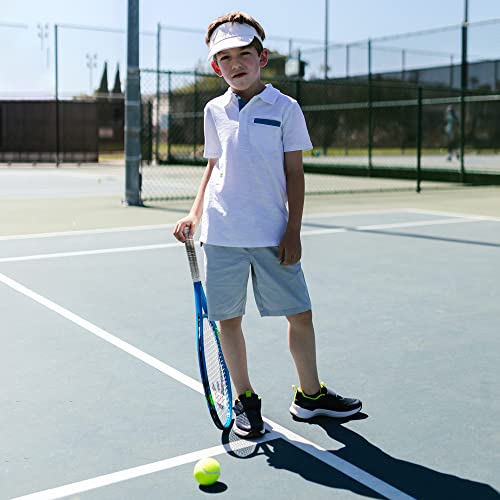
Prioritize Moisture-Wicking Fabric Technology
The most critical factor in tennis apparel is the material composition. Boys tend to overheat quickly during competitive play, making moisture management essential. Look for synthetic blends—primarily polyester and elastane (Spandex)—rather than 100% cotton. Cotton absorbs sweat, becomes heavy, and clings to the skin, which can cause chafing and discomfort. High-quality tennis shorts utilize advanced wicking technologies that pull perspiration away from the skin to the surface of the fabric, where it can evaporate quickly. This keeps the athlete dry and prevents the shorts from becoming waterlogged during long summer sets.
Evaluate Range of Motion and Stretch
Tennis is a sport defined by explosive, multidirectional movement. A boy wearing shorts that are too restrictive will find his stride hampered during wide baseline shots or deep volleys. When selecting shorts, check for 'four-way stretch' capabilities. This ensures the fabric expands both horizontally and vertically, allowing for a full range of motion without the hem riding up or the waistband digging in. A slight amount of stretch in the waistband also provides a more forgiving fit as the athlete grows or moves dynamically.
The Importance of Pocket Design and Ball Storage
A functional pair of tennis shorts must serve as a tool for the game. One of the most overlooked features is the pocket construction. Dedicated tennis shorts often feature deep, reinforced side pockets designed specifically to hold tennis balls securely. If the pockets are too shallow, a ball can easily slip out during a sprint or a serve. Ideally, look for shorts with a pocket specifically engineered to keep the ball snug against the thigh, minimizing the 'bounce' effect that can be distracting during play. If the shorts are intended for multi-sport use, ensure the pockets are deep enough to prevent items from falling out during general physical activity.
Durability and Construction Quality
Junior athletes are notoriously hard on their gear. Between sliding on hard courts and the repetitive motion of playing, seams are under constant stress. Inspect the stitching, particularly around the crotch and side seams, to ensure they are reinforced. Flatlock seams are a premium feature to look for. These seams lie flat against the skin, significantly reducing the risk of irritation and chafing during long practice sessions. Additionally, consider the waistband construction—an elastic waistband with an internal drawstring offers the best combination of security and adjustability.
Sizing and Length Considerations
For boys, the length of the shorts plays a major role in both performance and confidence. A standard inseam for tennis shorts usually falls mid-thigh. If the shorts are too long, they can interfere with leg movement and become a tripping hazard during quick lateral shifts. If they are too short, they may lack the necessary coverage for certain movements. Aim for a fit that allows for plenty of airflow while ensuring the boy feels comfortable and secure in his movements. Always account for growth spurts by opting for adjustable waistbands that can accommodate changing body types over a season.