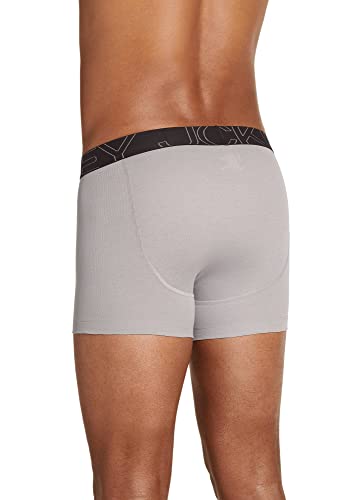
Prioritize Fabric Composition and Breathability
The most critical factor in boys' briefs is the material. Because children are often in constant motion, moisture management is paramount. Look for high-quality cotton blends. 100% combed cotton is excellent for sensitive skin as it is soft and hypoallergenic, but it can sometimes lose shape after repeated washes. For active boys, a cotton-spandex (or elastane) blend is often the superior choice. The addition of a small percentage of stretch allows the briefs to retain their shape and move with the child, preventing the 'sagging' that often occurs with pure cotton after a few hours of play.
Evaluate the Waistband Construction
A poorly designed waistband is the primary cause of discomfort and distraction in the classroom. You want to look for a wide, soft-brushed elastic waistband. A waistband that is too thin will tend to roll or flip over, which can be uncomfortable and visually unappealing. Conversely, an elastic that is too tight will leave red marks on the skin. The ideal waistband sits flat against the waist and provides enough tension to keep the briefs secure without digging in. Check the interior seams of the waistband to ensure they are smooth. Rough stitching can lead to chafing during high-impact activities like running or soccer.
Sizing for Growth and Movement
When selecting briefs, it is tempting to size up to ensure longevity, but there is a tipping point where excess fabric becomes a hindrance. If the leg openings are too loose, the fabric will bunch up, causing discomfort and potential hygiene issues. Look for brands that offer specific age-based sizing or detailed weight/height charts rather than just 'Small' or 'Medium.' A good rule of thumb is to ensure the leg openings hug the thigh gently without pinching. If you are between sizes, opting for a slightly larger size in a high-stretch fabric blend is usually more successful than buying a larger size in 100% rigid cotton.
Durability and Maintenance
Boys' underwear undergoes heavy-duty laundering. To ensure your investment lasts, look for reinforced stitching, particularly around the crotch gusset and the leg openings. These are the high-stress areas most prone to tearing. Furthermore, consider how the fabric responds to heat. Since many parents prefer washing kids' clothes in warm or hot water to ensure cleanliness, check if the fabric is pre-shrunk. Avoid overly delicate fabrics or those with intricate embellishments that might snag or fall off in a standard washing machine cycle.
The Importance of Seamless Design
For boys with sensory sensitivities, the construction of the seams is just as important as the fabric. Flatlock seams—where the edges of the fabric are joined flat against each other rather than being folded over and stitched—are highly recommended. This minimizes the 'ridge' felt against the skin, significantly reducing the risk of chafing and irritation during long periods of wear.