Material Composition and Environmental Resistance
The first decision factor in selecting a buckle is the material. Most high-quality options fall into two categories: high-strength engineering polymers and metallic alloys. If your application involves extreme temperature fluctuations or constant exposure to UV rays, look for acetal-based plastics or reinforced nylon. These materials offer excellent chemical resistance and won't become brittle in freezing conditions. However, if you are working in high-friction environments where abrasion is a constant threat, metal buckles—specifically those made from zinc alloys or aluminum—provide superior longevity. When choosing, consider if the buckle needs to be lightweight for trekking or heavy-duty for industrial securing. Metal offers strength at the cost of weight, while advanced polymers provide a lightweight, corrosion-proof alternative.
Mechanism Type and Deployment Speed
How you intend to interact with the buckle dictates the mechanism you should choose. Side-release buckles are the industry standard for quick-access gear, providing a tactile 'click' that confirms a secure lock. These are ideal for waist belts or chest straps where you need to adjust or remove gear quickly. For more permanent or security-focused applications, look for tension-based or cam-lock mechanisms. These require more deliberate movement to release, which prevents accidental disengagement during intense physical activity. If your gear will be subjected to heavy vibrations—such as on a vehicle or during mountain biking—ensure the mechanism has a positive locking feature that prevents the 'bounce' effect from triggering a release.
Load Rating and Tensile Strength
Never guess when it comes to weight capacity. A professional-grade guide requires you to look at the rated tensile strength. This is the maximum amount of force the buckle can withstand before structural failure occurs. It is vital to distinguish between 'static load' (a weight held still) and 'dynamic load' (a weight that is moving, dropping, or jerking). If you are using these buckles for climbing, safety harnesses, or heavy load-bearing rucksacks, you must choose hardware rated for dynamic forces. A common mistake is selecting a buckle based solely on its size. A small, high-strength metal buckle can often outperform a much larger, lower-grade plastic counterpart. Always match the buckle's strength rating to the highest possible load your equipment might encounter.
Compatibility with Webbing Width
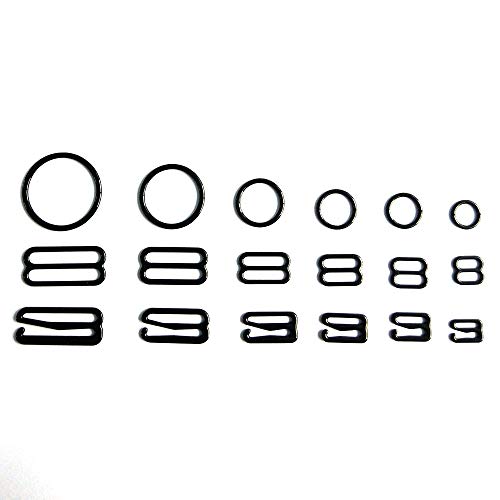
A buckle is only as useful as its ability to integrate with your existing strap system. Most buckles are designed for specific webbing widths, commonly ranging from 15mm to 50mm. When purchasing, you must measure your webbing precisely. A buckle that is slightly too wide will allow the strap to slide, leading to tension loss and potential gear failure. Conversely, a buckle that is too narrow will be impossible to thread. For the most secure fit, look for buckles that feature 'captured' threading, where the webbing is held firmly in place by the internal geometry of the buckle, preventing lateral movement or twisting under load.