Understanding Dual-Spectrum Attraction
The core advantage of a dichroma bug zapper lies in its ability to emit two distinct wavelengths of light. Most basic models rely solely on a single UV bulb, which is effective at attracting many insects but is notoriously indiscriminate. Dichroma systems typically combine a primary UV wavelength (to draw insects toward the unit) with a secondary, specific wavelength designed to exploit the ocular sensitivity of target pests. When shopping, look for descriptions that specify how these wavelengths work in tandem. A high-quality unit will use the first light to create a wide 'attraction zone' and the second to ensure the insect is actually lured into the kill zone.
Kill Mechanism: Grid Density and Voltage
Once an insect is attracted, the method of elimination is critical. There are two primary types of zappers: electric grid and suction-based. For dichroma models, the electric grid is most common. Pay close attention to the grid density. If the gaps between the electrified wires are too wide, small gnats and midges will fly straight through without contact. Conversely, if you are targeting larger flies, you need a robust voltage to ensure a clean, instant kill that prevents the insect from falling out of the unit before it is neutralized. Look for 'high-voltage' specifications that promise immediate results to avoid the 'stun and escape' phenomenon common in cheaper models.
Durability and Environmental Rating
Because these devices are almost exclusively intended for outdoor use, their build quality is a non-negotiable factor. You must consider the IP (Ingress Protection) rating. A zapper intended for a covered porch can handle moderate moisture, but if you plan to place it in an open garden, you need a weather-resistant housing that can withstand heavy rain and humidity. Furthermore, check the material of the outer casing. Plastic housings are lightweight and cost-effective, but powder-coated metal or heavy-duty UV-stabilized polymers offer better longevity against sun bleaching and temperature fluctuations.
Maintenance and Bulb Longevity
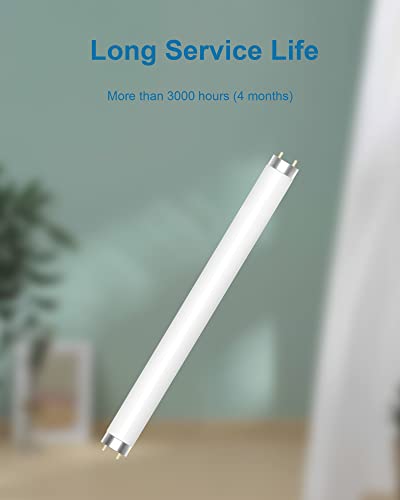
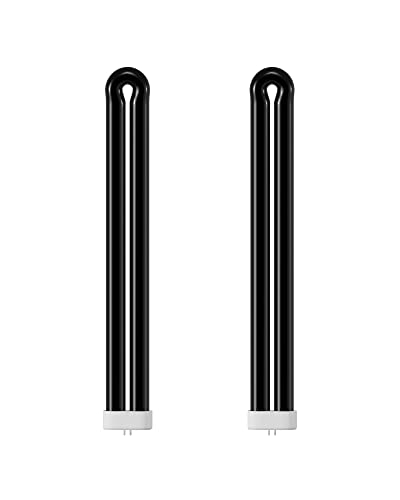
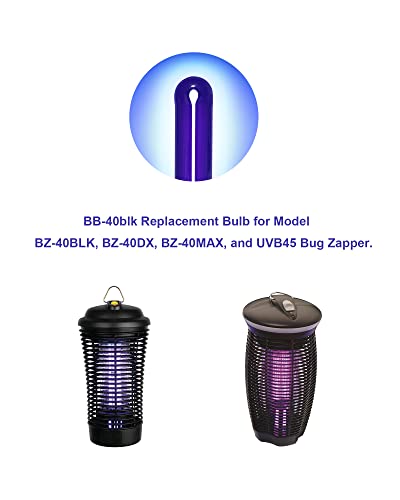
A dichroma zapper is only as effective as its light source. UV bulbs degrade over time. Even if they appear to be glowing, their ability to emit the specific wavelengths required for insect attraction diminishes. When evaluating a model, check how easy it is to replace the bulbs. Some premium units feature modular bulb systems that allow you to swap out the dual wavelengths individually, which is much more cost-effective than replacing an entire integrated light assembly. Additionally, look for models with removable, easy-to-clean collection trays. Accumulated insect debris can interfere with the electrical grid and reduce the efficiency of the light attraction.
Placement Strategy for Maximum Efficiency
The best zapper in the world will fail if placed incorrectly. When selecting a unit, consider its effective radius. Dichroma zappers are most effective when placed at least 15 to 20 feet away from where people are sitting. If you place the zapper right next to your dining table, you are essentially creating a buffet that draws bugs toward your guests. Instead, aim to place the unit in a transitional zone between the darkness of the yard and your lighted living area to intercept pests before they reach your immediate vicinity.