Determining the Impression Mechanism
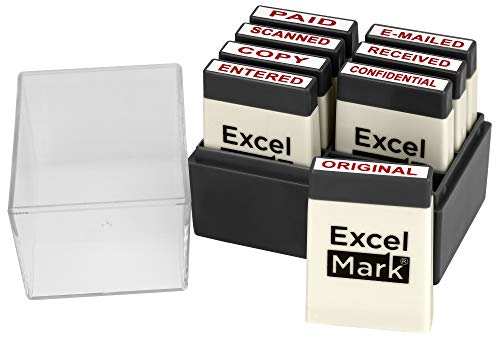
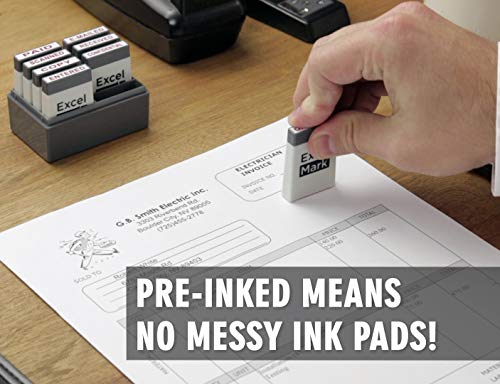
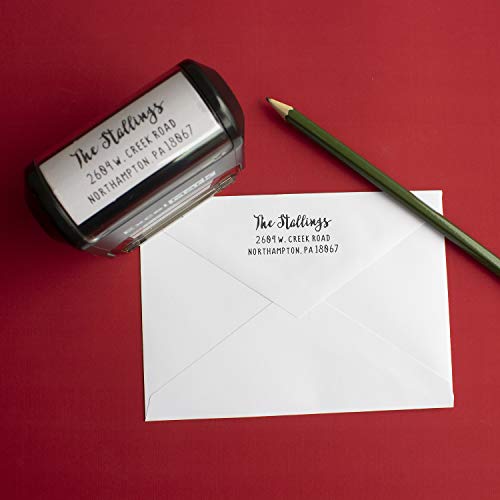
The most critical decision when selecting a professional stamp is the mechanism used to deliver the ink. For high-frequency tasks, such as marking hundreds of shipping envelopes or ledger pages daily, pre-inked stamps are often the gold recent choice. These units feature an internal ink reservoir that saturates the die, providing a crisp, smudge-free impression every time without the need for a separate pad. However, for specialized tasks where you may need to switch ink colors frequently or use specific heavy-duty inks, traditional self-inking stamps are superior. Self-inking models utilize a replaceable ink pad that moves up and down with the stamp head, offering a balance of speed and versatility. If your application requires extreme precision or is used on irregular surfaces, a manual wooden-handle rubber stamp provides the tactile control necessary for high-quality results.
Ink Compatibility and Substrate Requirements
A stamp is only as effective as the ink it carries. When browsing professional supplies, you must match the ink chemistry to your specific substrate (the material being stamped). Standard water-based inks are perfect for porous materials like standard printer paper and cardboard. However, if your business involves marking glossy labels, plastic packaging, or metallic surfaces, you must prioritize permanent, quick-drying solvent inks. Using the wrong ink type leads to the two biggest frustrations in professional stamping: smearing or complete lack of adhesion. Always check if the stamp is designed for 'quick-dry' applications if you are working in a fast-paced logistics environment where documents are stacked immediately after marking.
Durability and Ergonomic Design
Business-grade stamping is a repetitive physical task. A poorly designed stamp can lead to hand fatigue or, worse, mechanical failure mid-shift. Look for stamps with reinforced housings and heavy-duty internal springs. In self-inking models, the quality of the spring mechanism determines how many thousands of impressions the unit can handle before the stroke becomes sluggish. Furthermore, consider the grip. Ergonomic handles that fit the contour of the hand reduce strain during long periods of use. For high-volume administrative roles, investing in a model with a larger base provides more stability, ensuring that the stamp doesn't wobble and create uneven, illegible impressions.
Size and Customization Logic
Finally, consider the spatial constraints of your application. A stamp that is too large may be difficult to maneuver in tight margins of a form, while one that is too small may fail to convey necessary legal or certification information clearly. When deciding on size, calculate the minimum legible font size required for your specific industry standards. If you are creating custom stamps for departmental use, ensure the design is clean and uncluttered. Excessive fine detail can clog with ink over time, leading to a 'muddy' appearance on your documents. Prioritize bold, high-contrast layouts to ensure maximum readability across all types of business media.