Identify Your Primary Use Case
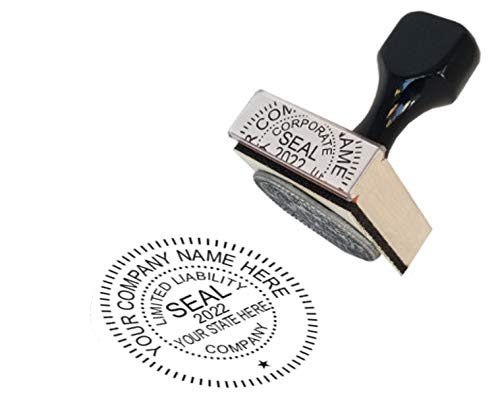
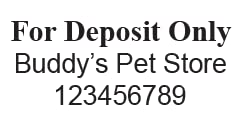
The first step in selecting a business stamp is defining its functional purpose. Business stamping generally falls into three categories: administrative, promotional, or legal. Administrative stamps are your workhorses—think 'RECEIVED', 'PAID', or date stamps used for filing. These require high-frequency durability. Promotional stamps, such as those featuring a company logo, are used for branding packaging or stationery and demand high-definition detail. Legal or corporate seals are used for formal document authentication and must produce a crisp, unmistakable impression that cannot be easily forged or blurred. Match the stamp's intended frequency of use to its build quality to avoid premature failure.
Choose the Right Mechanism: Self-Inking vs. Pre-Inked vs. Traditional
The mechanism is the most significant factor in your daily user experience. Self-inking stamps are the industry standard for general office work. They feature an internal ink pad that re-inks the die with every impression, making them fast and mess-free. They are ideal for repetitive tasks like marking envelopes. Pre-inked stamps offer the highest level of detail and the sharpest impressions. Because the ink is saturated within the stamp itself, they are perfect for intricate logos, though they generally require more care to prevent drying out. Finally, traditional wooden handle stamps require a separate ink pad. While they are slower, they are incredibly durable and offer a classic aesthetic, making them a favorite for boutique brands or specialized archival work.
Evaluate Ink Longevity and Versatility
Not all inks are created equal. When selecting a stamp, consider the surface you will most frequently be marking. Standard water-based inks work perfectly for office paper but will smudge on glossy surfaces or thermal receipts. If your business involves marking plastic packaging, poly-bags, or coated envelopes, you must look for specialized permanent or solvent-based inks. Furthermore, consider the longevity of the ink supply. Some professional models allow for easy ink refills, which is more cost-effective and environmentally friendly than replacing the entire unit when the ink runs dry.
Assess Size, Ergonomics, and Portability
A stamp that is too large becomes cumbersome for desk work, while one that is too small may not provide the necessary surface area for clear legibility. For high-volume data entry or document processing, look for an ergonomic grip that reduces hand fatigue during long sessions. If your team operates in the field—such as construction sites, logistics hubs, or mobile notary services—portability is paramount. In these instances, compact, ruggedized models with secure locking mechanisms are preferable to prevent accidental ink stains in transit.
Precision and Detail Retention
For custom business stamps, the quality of the die is critical. A low-quality die will cause 'bleeding,' where the ink spreads into the fibers of the paper, making text unreadable. High-quality business stamps utilize precision-cut rubber or polymer dies that maintain sharp edges even after thousands of impressions. Before committing to a custom design, ensure the stamp's capacity for detail matches the complexity of your logo or the font size of your corporate address.