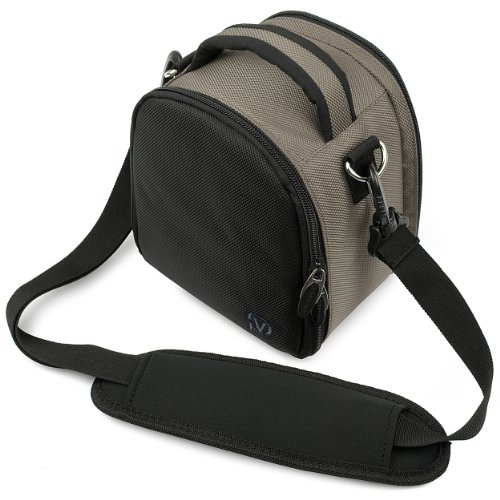
Prioritize Impact Absorption and Internal Padding
The primary function of any camcorder case is shock absorption. Unlike standard camera bags designed for small mirrorless bodies, camcorder cases must account for the elongated shape of the device and the delicate nature of the zoom lens. Look for cases that feature high-density EVA foam or multi-layered soft padding. The padding should not just be a thin layer against the shell. It needs to be thick enough to create a 'crush zone' that absorbs kinetic energy if the case is dropped. Ideally, the interior should have customizable dividers or molded compartments that lock the camcorder in place, preventing it from sliding around inside the case, which is a leading cause of internal mechanical damage during transport.
Assess Compartmentalization and Accessory Storage
A camcorder is rarely used in isolation. To be truly functional, your case must accommodate the ecosystem of gear that makes a shoot successful. When evaluating options, check the depth and organization of the accessory compartments. You need dedicated space for extra batteries, charging cables, memory cards, and perhaps even a small shotgun microphone or a tripod mount. A case that forces you to throw these items into a single large void is a liability. Loose batteries can rattle and scratch the camcorder body, and small SD cards can easily be lost. Look for mesh pockets, elastic loops, and zippered compartments that keep small peripherals organized and separate from the main unit.
Environmental Protection and Material Durability
Camcorders are electronic precision instruments that are highly sensitive to humidity, dust, and sudden temperature shifts. A high-quality case should be constructed from water-resistant materials, such as heavy-duty nylon or reinforced polyester, with weather-sealed zippers. While few portable cases are fully waterproof, a water-resistant exterior provides a vital layer of defense against light rain or accidental spills. Furthermore, consider the rigidity of the outer shell. A hard-shell EVA case provides superior protection against crushing forces (like being squeezed into an overhead bin), whereas a soft-shell padded bag offers better flexibility and weight savings for long-distance trekking.
Ergonomics and Portability Factors
The best protection is useless if the case is too cumbersome to carry to the location. Evaluate the carrying options: does it feature a reinforced top handle for quick grabs, or a padded shoulder strap for hands-free movement? If you frequently travel via public transit or carry multiple pieces of gear, look for cases that can integrate with larger luggage systems or feature ergonomic straps that distribute weight evenly across your shoulder. The weight of the case itself should be factored into your decision. A heavy, indestructible case might be great for a studio environment, but it could become a burden during a full day of outdoor filming.
Final Decision Logic
To make your final selection, match the case's specifications to your specific filming environment. If you are a frequent traveler, prioritize a hard-shell, compact design that fits easily into backpacks. If you are a field reporter working in unpredictable weather, prioritize water-resistant fabrics and deep accessory pockets. Always measure your camcorder with its lens attached before purchasing to ensure the internal dimensions provide enough clearance for a secure, snug fit.