Understanding Capacity and Milliampere-Hours (mAh)
The most critical specification to examine when selecting a replacement battery is the capacity, typically measured in milliampere-hours (mAh). This number dictates how much energy the battery can store and, by extension, how long your camera can operate before needing a recharge. When browsing amsahr options, you will notice a range of capacities. While a higher mAh rating generally translates to longer shooting sessions, it is important to balance this with the physical size of the battery. Some high-capacity cells are slightly larger or heavier than standard versions. Ensure the battery you choose adheres to the physical dimensions required by your specific camera housing to avoid fitment issues or door latch problems.
Voltage Compatibility and Safety Circuits
A battery is not just a container for energy. It is a sophisticated electronic component. It is vital to ensure that the voltage output matches your camera's requirements exactly. Even a minor discrepancy can lead to overheating or, in worst-case scenarios, damage to your camera's internal circuitry. Quality amsahr batteries incorporate integrated protection circuits designed to prevent common electrical failures. Look for descriptions that mention built-in safeguards against overcharging, over-discharging, short-circuiting, and thermal runaway. These features are essential for maintaining the longevity of both the battery itself and your expensive camera body.
Cycle Life and Long-Term Reliability
Every lithium-ion battery has a finite lifespan, measured in charge cycles. A charge cycle occurs every time you fully discharge and then recharge the battery. When evaluating amsahr products, consider the reputation of the cell quality. Premium cells will maintain their maximum capacity for a higher number of cycles before the performance begins to degrade. If you are a professional who shoots daily, investing in a battery known for high cycle endurance will provide a better long-term return on investment than a cheaper, low-grade alternative that loses its ability to hold a charge after only a few months of use.
Temperature Resilience and Environmental Factors
Photography often takes us into extreme environments, from freezing mountain landscapes to sweltering tropical climates. Battery performance is heavily influenced by ambient temperature. Cold weather can cause a sudden drop in voltage, leading to unexpected shutdowns, while extreme heat can degrade the chemical stability of the cells. When selecting your power supply, look for information regarding the battery's operating temperature range. A robust battery is engineered to provide stable power delivery even when environmental conditions are less than ideal, ensuring your workflow remains uninterrupted.
The Importance of a Balanced Kit
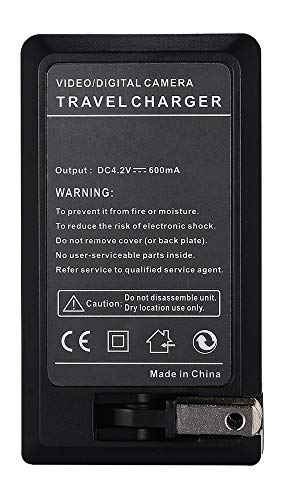
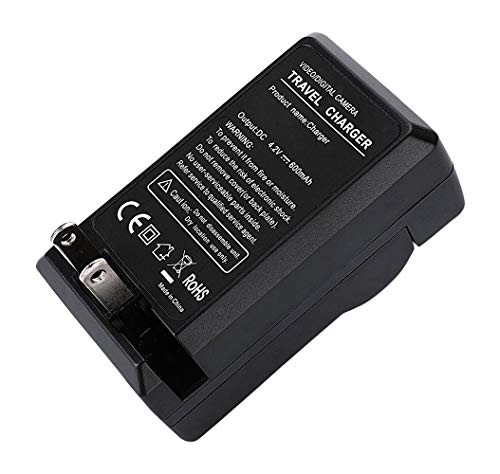
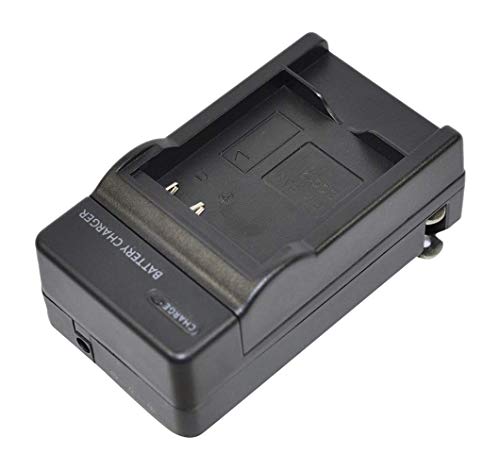
When building your battery kit, do not just buy a single high-capacity unit. The most efficient strategy is to have a combination of high-capacity batteries for long shoots and standard-capacity batteries for quick swaps. This allows you to manage your charging workflow more effectively. Always pair your amsahr batteries with a reliable charger that is compatible with the specific chemistry of the cells to ensure they reach full capacity safely and efficiently.