Compatibility and Frame Integration
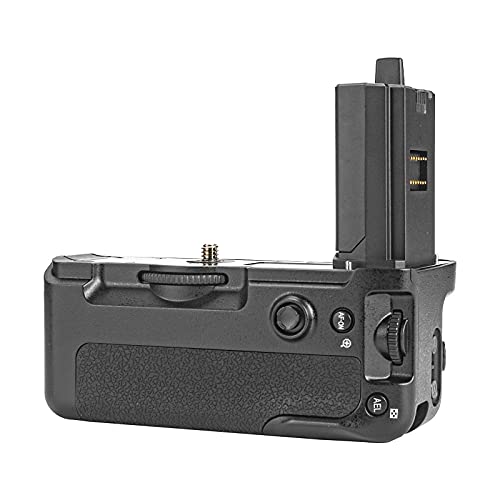
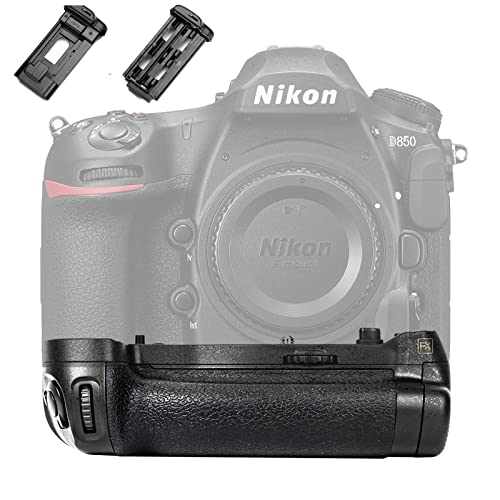
The most critical factor when selecting a battery grip is ensuring a seamless physical and electronic connection to your specific camera body. A high-quality grip must act as a rigid extension of the chassis. If the fit is even slightly loose, you will experience 'camera wobble,' which can ruin long-exposure shots and make precise focusing difficult. Look for grips that utilize a secure mounting screw system that aligns perfectly with your camera's tripod socket. Furthermore, ensure the grip's internal circuitry is designed to communicate with your camera's firmware. A poorly designed grip might allow for extra power, but it could also cause the camera to fail to recognize the shutter button or the zoom lever.
Ergonomics and Weight Distribution
A battery grip is intended to improve your hold, especially when using heavy telephoto lenses. When evaluating a grip, consider the texture of the material. A high-quality rubberized coating provides the necessary friction to prevent slipping during humid conditions or when wearing gloves. Beyond the surface, look at the contour of the handle. It should fill the palm of your hand naturally, reducing the strain on your pinky finger and forearm during extended periods of handheld shooting. However, there is a trade-off: adding a grip and extra batteries increases the total weight of your setup. You must decide if the added stability and power are worth the additional load on your wrist and neck during a long trek.
Power Management and Battery Capacity
The primary reason to invest in a grip is to double—or even triple—your shooting capacity. When comparing options, look at how many battery slots the grip provides. Some designs allow for a single secondary battery, while more robust models can house two or more. It is also vital to check the type of battery interface used. You want a grip that utilizes the same battery chemistry as your standard camera batteries to ensure consistent voltage delivery. Inconsistent power delivery can lead to the camera shutting down unexpectedly or the sensor behaving erratically during high-speed bursts.
Control Interface and Customization
A truly professional-grade grip does more than just hold batteries. It provides tactile control. Premium grips often feature a secondary shutter release button, a joystick for autofocus point selection, and programmable custom buttons. If you frequently switch between portrait and landscape orientation, look for a grip that allows you to manipulate settings without having to rotate the entire camera body. The ability to adjust aperture, shutter speed, or ISO directly from the grip can significantly increase your reaction time in fast-paced environments like sports or wildlife photography.
Durability and Environmental Sealing
Since grips are often used in demanding outdoor environments, weather resistance is a key decision factor. While a grip may not always have the same level of weather sealing as your primary camera body, it should still feature dust-resistant seams and robust construction. Avoid grips made of thin, hollow plastics that feel flimsy. Instead, opt for reinforced composites or high-density polymers that can withstand the bumps and scrapes of professional field use.