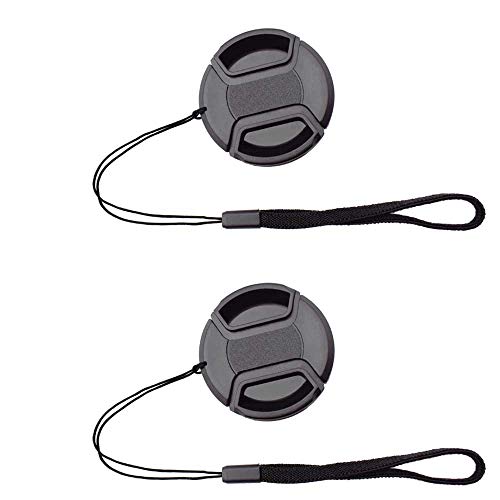
Understanding Fitment and Diameter Precision
The most critical factor when selecting a lens cap is the diameter of your lens. Lens caps are not universal. They are measured in millimeters based on the filter thread size of your specific lens. Before purchasing, you must check the front and rear diameters of your equipment. A cap that is even one millimeter too large will wobble and eventually fall off, leaving your glass vulnerable. Conversely, a cap that is too small simply won't seat correctly, potentially damaging the threading of your lens. When evaluating options, look for caps designed with tight tolerances that provide a 'click' or a firm friction fit, ensuring the cap stays attached even if your camera bag is tossed around.
Material Integrity and Durability
Not all plastics are created equal. Cheap, brittle caps tend to crack under pressure or lose their tension over time, becoming loose and ineffective. High-quality caps are typically constructed from impact-resistant polymers or reinforced materials that can withstand the rigors of field photography. If you frequently shoot in harsh environments—such as coastal areas with salt spray or dusty deserts—consider the thickness of the material. A thicker, more robust cap provides better structural protection against accidental drops or bumps against other gear in your kit.
Front vs. Rear Protection Requirements
A common mistake is neglecting the rear lens cap. While the front cap protects against physical impacts and direct debris, the rear cap is vital for protecting the delicate rear element and the electronic communication points of the lens. When choosing a set, ensure that the rear cap is specifically designed for the mount type of your lens. Rear caps often require a more specialized shape to clear the lens housing and allow for proper mounting without interfering with the camera body's sensor or mirror mechanism.
Ease of Operation and Ergonomics
In fast-paced environments, such as wildlife or street photography, the speed at which you can remove and replace a cap is paramount. Look for 'snap-on' designs that offer enough resistance to stay secure but allow for one-handed removal. Some advanced caps feature textured edges or ergonomic grips, which are incredibly helpful when you are wearing gloves in cold weather or when your hands are damp. If you find yourself constantly losing caps, consider whether the design allows for easy attachment to a camera strap or if the cap itself has a lanyard hole for added security.
The Decision Logic: What to Prioritize
When deciding which cap to invest in, follow this hierarchy: First, verify the exact millimeter diameter. Second, prioritize material density to ensure long-term tension. Third, evaluate the tactile feedback—you want a cap that feels secure when pressed on. If you are building a kit, it is often more cost-effective to purchase sets that cover both the front and rear, ensuring your entire optical system remains shielded from the moment you pack your bag until the moment you begin shooting.