Understanding Filter Types and Creative Intent
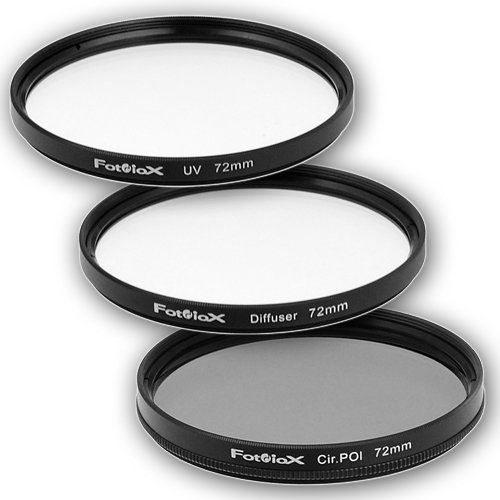
The first step in choosing a Fotodiox set is identifying your primary photographic genre. Filter sets are rarely 'one size fits all' because the optical effects required for a wedding photographer are vastly different from those needed by a macro specialist. If you focus on landscapes, you should prioritize sets containing Circular Polarizers (CPL) to manage reflections on water and boost sky contrast, along with Neutral Density (ND) filters for long exposures. For portrait photographers, look for sets that include diffusion or 'mist' filters, which soften skin tones and create a dreamlike glow around light sources. Understanding whether you need to control light (ND/CPL) or reshape light (Diffusion/Gradients) is the most critical decision in your purchasing journey.
The Critical Importance of Thread Diameter
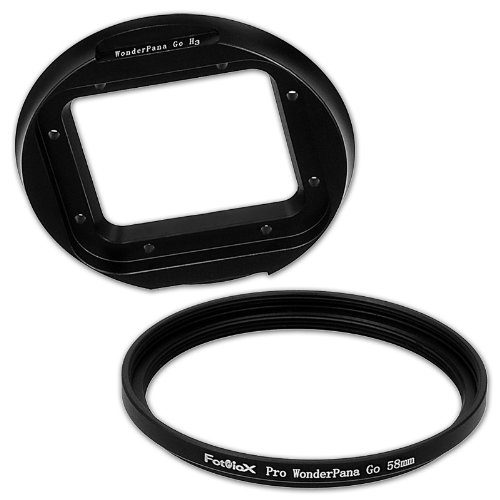
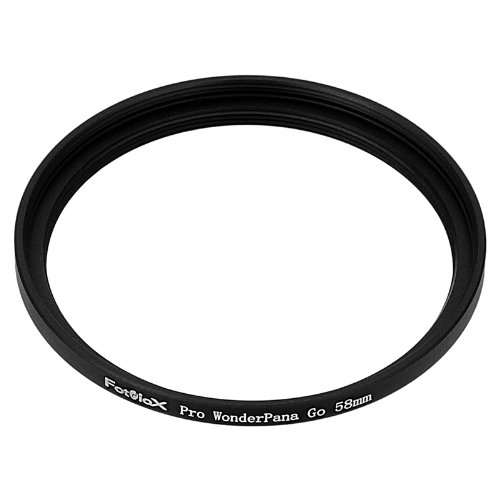
The most common mistake when purchasing a filter set is ignoring the thread size of your existing lenses. Filters screw into the front element of your lens, and they must match the millimeter (mm) designation found on the rim of your lens barrel. When buying a Fotodiox set, you aren't just buying the glass. You are buying a specific diameter. If you own multiple lenses with different diameters, you have two choices: buy a set that matches your most frequently used lens, or invest in a step-up ring kit. A step-up ring allows you to use larger diameter filters on smaller lenses, ensuring you don't have to buy a new set every time you switch gear. Always check the 'mm' marking on your lens before finalizing your selection.
Material Quality and Optical Clarity
Not all glass is created equal. While Fotodiox offers various tiers of kits, you should pay close attention to the coating specifications. High-quality sets feature multi-coated glass, which is essential for preventing ghosting, flare, and color shifts. Multi-coating ensures that light passes through the filter with minimal refraction, maintaining the sharpness your lens is capable of producing. When reviewing a set, look for mentions of 'anti-reflective' or 'water-repellent' coatings. These features are not just luxuries. They are functional necessities that make cleaning the filter easier and ensure that your images remain crisp even in challenging, high-contrast lighting environments.
Set Composition and Value Logic
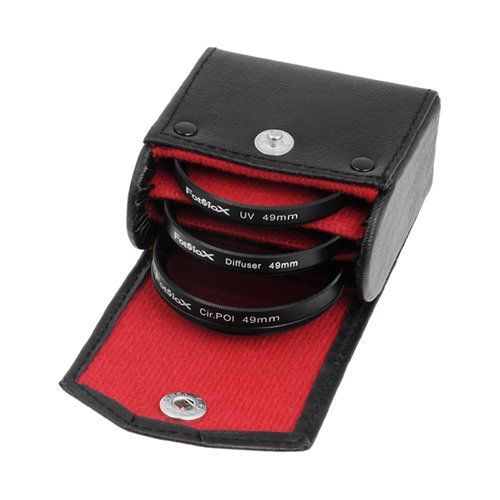
When evaluating the value of a set, look beyond the total number of pieces. A 10-piece set that contains five identical ND filters is far less valuable than a 5-piece set that provides a diverse range of effects (e.g., one CPL, two different ND strengths, and two diffusion filters). Analyze the 'utility density' of the kit. A professional-grade set should offer a logical progression of density levels—for example, if it includes ND filters, ensure they cover a range from subtle light reduction to heavy long-exposure capabilities. Finally, consider the storage solution included in the set. A sturdy, organized case is vital for protecting delicate glass elements from scratches and dust when traveling in a camera bag.