#TOP1
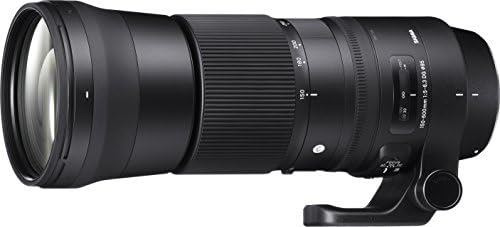
When you transition from standard zoom lenses to heavy-duty telephoto glass, your shooting experience changes fundamentally. The sheer weight and length of long focal length lenses introduce two major enemies: physical fatigue and micro-vibrations. A telephoto lens support is not just a luxury. It is a structural necessity to ensure sharpness and stability. Whether you are tracking a bird in flight, capturing a fast-moving athlete, or photographing wildlife from a distance, the right support system acts as the bridge between your camera's sensor and a steady, professional-grade image. This guide explores the specialized tools designed to manage the physics of heavy glass.
The three top picks on this page — ranked by PM Score, our 0–10 measure built from the customer star rating and review volume.


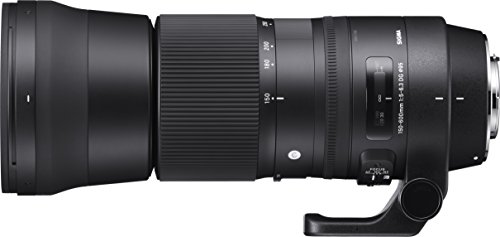


Sigma 150-600mm 5-6.3 Contemporary DG OS HSM Lens for Nikon
| SELLER | SELLER SCORE | AMAZON FULFILLED | PRIME | FREE SHIPPING |
|---|---|---|---|---|
| Focus Camera LLC | 9.89 | No | No | No |
A rare bird takes flight across a distant marshland, and you need to bridge that massive gap without lugging a heavy professional rig through the mud. This Sigma Contemporary lens makes that extreme reach surprisingly manageable thanks to its lightweight and compact construction. Even at the full 600mm focal length, the build feels purposeful rather than cumbersome. I found the dust and splash-proof mount incredibly reassuring during unpredictable outdoor shoots, and the water and oil repellent coating on the front glass makes quick cleanups a breeze. While the 1930g weight is something you will definitely feel during a long day of wildlife photography, the massive zoom range and stabilized performance provide a level of versatility that is hard to beat in this category.
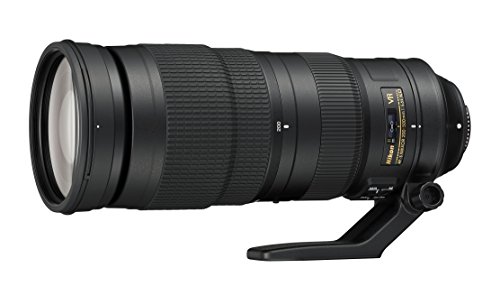


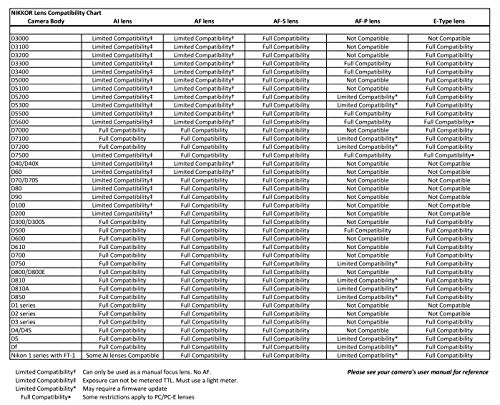
Nikon AF-S FX NIKKOR 200-500mm f/5.6E ED Vibration Reduction Zoom Lens with Auto Focus for Nikon DSLR Cameras
| SELLER | SELLER SCORE | AMAZON FULFILLED | PRIME | FREE SHIPPING |
|---|---|---|---|---|
| Amazon.com | 9.68 | Yes | Yes | Yes |
Most photographers assume that massive reach requires massive weight, but this Nikon super telephoto zoom defies that expectation by remaining surprisingly compact for its power. I found that the constant f/5.6 aperture is a total game-changer when you are tracking wildlife or motorsports, providing much smoother background bokeh and better low-light handling than most variable aperture lenses in this class. Even at the full 500mm focal length, the 4.5 stops of vibration reduction keep my shots steady, especially when I toggle into the dedicated sports mode. It is a beefy piece of glass at 81.2 ounces, yet it feels remarkably manageable for a lens that offers a 750mm equivalent reach on DX format bodies. Whether you are shooting birds or high-speed events, the autofocus reliability is exactly what you need.
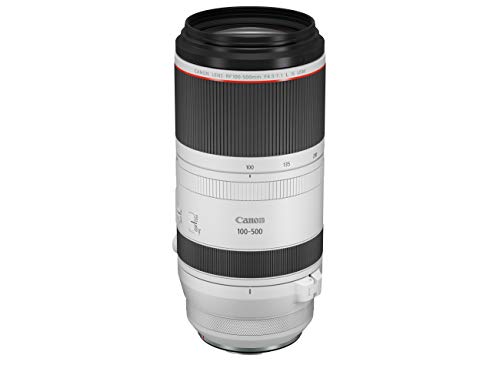

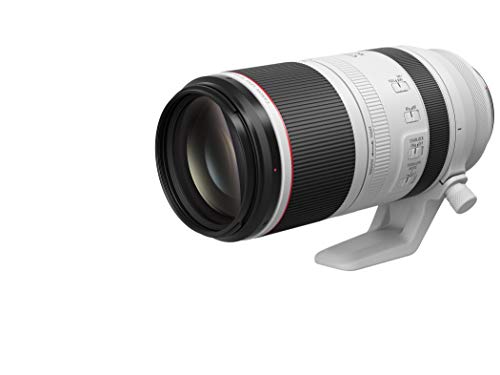
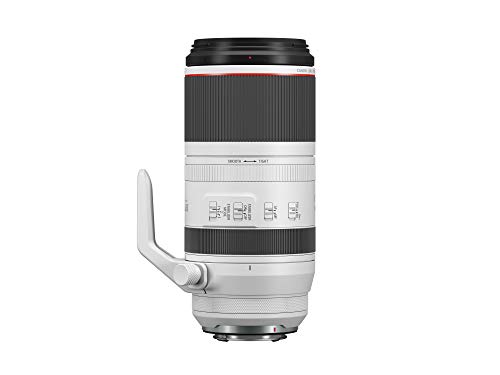

Canon RF 100-500mm F4.5-7.1 L is USM Super-Telephoto Lens
| SELLER | SELLER SCORE | AMAZON FULFILLED | PRIME | FREE SHIPPING |
|---|---|---|---|---|
| Amazon.com | 9.68 | Yes | Yes | Yes |
Most wildlife photographers eventually realize that compromising on reach and clarity is a recipe for missed moments, but this L-series super-telephoto zoom eliminates that trade-off entirely. Testing this lens on full-frame mirrorless bodies like the EOS R5 felt like a revelation for long-distance shooting. The dual Nano USM system provides incredibly fast, silent autofocus that tracks subjects without hesitation. I was particularly impressed by the optical image stabilization, which offers up to 5 stops of shake correction and three distinct modes to suit everything from static shots to active panning. With a respectable minimum focusing distance of 3.0 feet, you get a level of versatility that standard telephotos often lack, making it a powerhouse for both distant action and closer subjects.
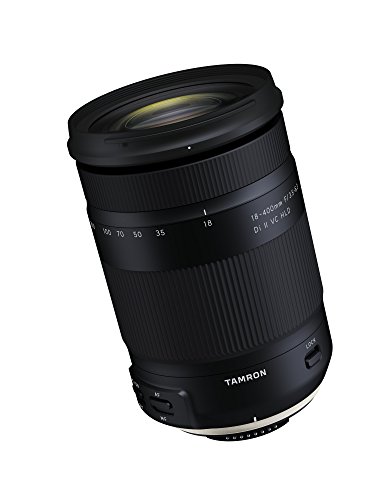


Tamron 18-400mm F/3.5-6.3 DI-II VC HLD All-In-One Zoom For Nikon APS-C Digital SLR Cameras (6 Year Limited USA Warranty)
| SELLER | SELLER SCORE | AMAZON FULFILLED | PRIME | FREE SHIPPING |
|---|---|---|---|---|
| Amazon.com | 9.68 | Yes | Yes | Yes |
After weeks of use in unpredictable outdoor environments, the sheer versatility of this Tamron lens has become my go-to solution for travel photography. It is a massive engineering feat, serving as the world’s first 222x ultra-telephoto all-in-one zoom that covers everything from wide landscapes to a staggering 620mm full-frame equivalent reach. I found the Vibration Compensation (VC) essential for keeping long telephoto shots steady, especially when I couldn't use a tripod. The moisture-resistant construction provides peace of mind during damp morning shoots, and the macro switching ring adds a surprising layer of utility for close-up work. Being able to jump from a 75° wide angle to extreme telephoto reach without swapping glass makes this an incredible companion for anyone wanting to pack light without sacrificing distance.


Canon telephoto Zoom Lens EF 100-400 mm F4.5-5.6L USM Full Size Support
| SELLER | SELLER SCORE | AMAZON FULFILLED | PRIME | FREE SHIPPING |
|---|---|---|---|---|
| PAGING ZONE | 9.67 | No | No | No |
Wildlife photographers and sports enthusiasts require the extreme reach and precision offered by this Canon L-series powerhouse. I found that the 100-400mm focal range provides an incredible amount of flexibility, allowing you to transition from tight portraits to distant action without constant lens swapping. The USM motor ensures that autofocus is snappy and reliable, which is absolutely critical when you are trying to track a bird in flight or a fast-moving athlete. While the aperture shifts as you zoom, the build quality and optical performance justify the premium investment for anyone serious about capturing far-off subjects with clarity. It feels like a professional tool designed to handle demanding environments with ease.
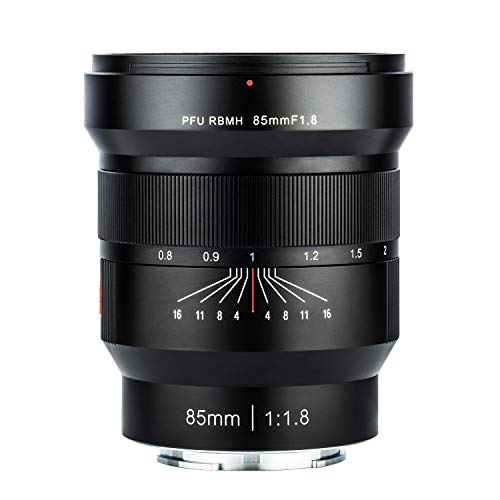
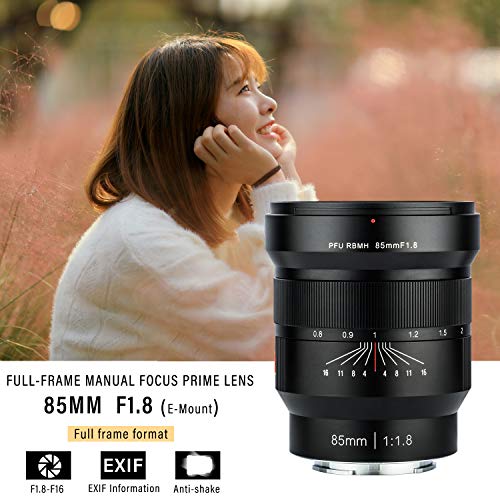

VILTROX 85mm F1.8 Lens Full Frame Manual Focus Medium Telephoto Portrait Prime Lens for Sony E Mount A9 A7R3 A7R2 A7M3 A7M2 A7S2 A6500 A6300 A6000, Su...
| SELLER | SELLER SCORE | AMAZON FULFILLED | PRIME | FREE SHIPPING |
|---|---|---|---|---|
| Inswing | 5.40 | No | No | No |
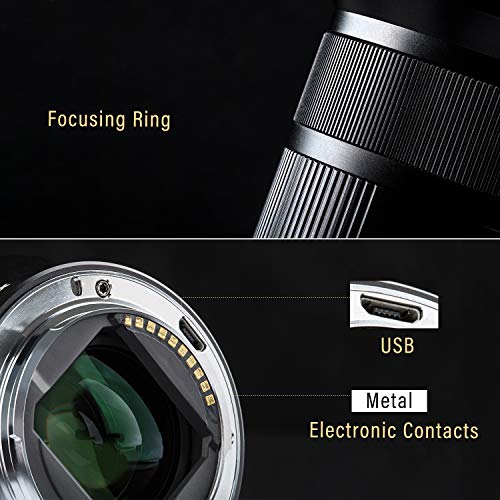
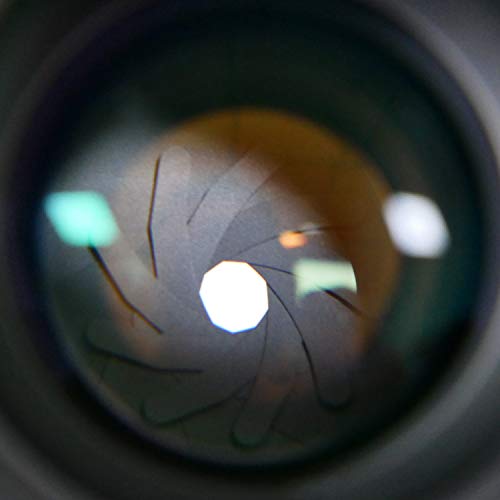
The Viltrox 85mm F1.8 stands as a formidable budget contender for portrait photographers who want professional results without the premium price tag. While it is a manual focus lens, the build quality feels incredibly substantial thanks to its rugged, all-metal body and a focus ring that provides excellent tactile grip. I was particularly impressed by the optical engineering. The inclusion of ED fluorite glass and a seven-element, ten-structure design helps significantly in suppressing glare and ghosting. It handles both full-frame and APS-C sensors with ease, making it a versatile tool for switching between half-length and full-length shots. Even though you are turning the ring yourself, the electronic contacts ensure you still get vital EXIF data and automatic iris adjustments directly on your camera display.

Telephoto support is not a one-size-fits-all category. Depending on your shooting style, you will likely need one of three distinct types of equipment. First, there are tripods, which provide the ultimate foundation for long exposures or static subjects. Second, there are monopods, which offer a balance of mobility and weight relief, making them ideal for sports photographers on the move. Finally, there are gimbal heads, which are the specialized mounting interfaces that sit atop tripods to allow for fluid, frictionless movement. Choosing the right support requires evaluating how much mobility you need versus how much stability is required for your specific focal length.
The most critical metric when shopping for telephoto supports is the maximum payload capacity. You must look beyond the manufacturer's advertised limit and consider the 'effective weight.' A lens that weighs 5 pounds may feel much heavier when extended to its full length due to leverage. When a heavy lens is mounted on a support, it creates a high center of gravity. If your tripod or monopod is too light, the entire setup will become top-heavy and prone to tipping or wind-induced swaying. Always select a support system that can handle at least 1.5 times the weight of your lens/camera combination to ensure a safety margin for stability.
If you are using a telephoto lens, you should almost certainly avoid traditional ball heads. Ball heads are designed for wide-angle and landscape photography where the camera stays relatively stationary. They are notoriously difficult to use with long lenses because they lack the ability to pan smoothly. Once you move the lens, the weight often causes the ball to 'flop' or lose its position. Instead, look for a gimbal head. Gimbal heads use a system of counterweights and pivots that allow the lens to move freely in any direction with minimal effort. This is essential for tracking moving subjects, as it allows you to follow a subject's path without the jerky movements that cause motion blur.
Telephoto gear is often used in the field, meaning weight and durability are in constant conflict. Carbon fiber is the gold standard for high-end supports because it offers an exceptional strength-to-weight ratio and naturally dampens vibrations better than aluminum. However, carbon fiber comes at a premium price. Aluminum is a more budget-friendly alternative that is incredibly durable, though it is significantly heavier to carry over long distances. When deciding, consider your environment: if you are hiking into remote wilderness, the weight savings of carbon fiber are worth the investment. If you are shooting from a sideline at a stadium, the ruggedness of aluminum may suffice.
For tripods, the mechanism used to secure the legs is vital. Twist locks are generally preferred for telephoto work because they are more resistant to sand, grit, and moisture than traditional flip-locks, which can become loose over time. Additionally, pay attention to the feet of the support. Spiked feet are essential for stability on soft ground or uneven terrain, while rubber feet are better for studio or paved environments. A high-quality support should allow you to make micro-adjustments to the height and angle without compromising the structural integrity of the setup.
Quick answers about Telephoto Camera Lens Supports before you buy.
Share of top-ranked products by brand, from our rankings.
We compared Telephoto Camera Lens Supports products using product details and customer ratings to identify the best options in the camera & photo..
From that comparison we shortlisted the top 6 Telephoto Camera Lens Supports for this page..
We aim to help you find the right lenses products for your needs and save you time when choosing which Telephoto Camera Lens Supports to buy.
Compare the top 6 picks at a glance — select a column to sort.


