#TOP1

For astrophotographers and deep-sky enthusiasts, the quality of the light reaching the sensor is just as important as the glass of the telescope itself. Celestron camera filters are engineered specifically to bridge the gap between astronomical optics and digital imaging sensors. Unlike standard photography filters used for landscapes or portraits, these specialized tools are designed to isolate specific wavelengths of light, suppress light pollution, and enhance the contrast of nebulosity. Whether you are capturing the faint glow of an emission nebula or trying to combat the orange haze of urban skies, selecting the correct filter is a fundamental step in building a high-performance imaging rig.
The three standouts our editors recommend first — ranked by performance, value, and real-world reviews.


Celestron – Telescope Moon Filter – Eyepiece Accessory – Reduces Moon Glare and Enhances Lunar Crater Details – Great for Full Moon Observing – Works...
| SELLER | SELLER SCORE | AMAZON FULFILLED | PRIME | FREE SHIPPING |
|---|---|---|---|---|
| Amazon.com | 9.68 | Yes | Yes | Yes |
You are peering through your telescope during a bright full moon, but the lunar surface is so blindingly white that you can barely distinguish the terrain. This Celestron Moon Filter solves that exact frustration by instantly cutting through the intense glare to reveal the subtle shadows of craters and ridges. It is a surprisingly versatile little tool; beyond lunar observation, I found it works wonders for dimming the brightness of certain planets or even managing light reflections when viewing snowy landscapes through a terrestrial scope. Installation is a breeze since it threads onto almost any 1.25" eyepiece in just a few seconds. For a small investment, it transforms a washed-out white orb into a high-contrast, detailed celestial landscape.


Celestron – 2” Eyepiece and Filter Accessory Kit – 12 Piece Telescope Accessory Set – E-Lux Telescope Eyepiece – Barlow Lens – Colored Filters – Diago...
| SELLER | SELLER SCORE | AMAZON FULFILLED | PRIME | FREE SHIPPING |
|---|---|---|---|---|
| Amazon.com | 9.68 | Yes | Yes | Yes |
Most amateur astronomers spend far too much time hunting for individual components rather than actually looking at the stars. This Celestron kit solves that headache by bundling everything necessary for a serious night of observation into one organized set. The three E-Lux eyepieces stand out immediately, offering a wide 56-degree apparent field of view that makes the sky feel much more immersive. I was particularly impressed by the inclusion of a 2x Barlow lens and a high-quality 90-degree mirror diagonal, which significantly elevate the magnification and viewing comfort. Even the specialized lunar and planetary filters, like the Kodak Wratten #12, are included to help sharpen your view of celestial bodies. Everything tucks neatly into a rugged aluminum case with custom foam, making it a professional-grade upgrade for any setup.

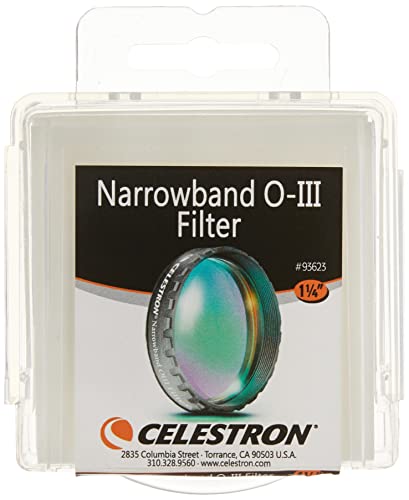

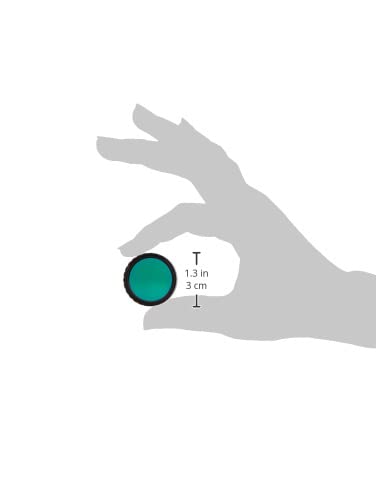
Celestron 93623 Narrowband Oxygen III 1.25 Filter
| SELLER | SELLER SCORE | AMAZON FULFILLED | PRIME | FREE SHIPPING |
|---|---|---|---|---|
| Amazon.com | 9.68 | Yes | Yes | Yes |
The Celestron Narrowband Oxygen III 1.25 Filter targets specific light signatures to transform your deep-sky imaging. By isolating the 496 and 501nm doubly-ionized oxygen lines, this filter effectively strips away the overwhelming background light spectrum that often ruins long-exposure shots. I found that focusing specifically on these emission lines makes a massive difference when you are hunting for the intricate details within planetary and emission nebulae. It acts as a precision gatekeeper for your sensor, ensuring that only the most relevant cosmic data reaches your camera. While it requires a bit of planning to match with your specific target, the ability to pull detail out of the darkness is a game-changer for astrophotography enthusiasts looking to sharpen their nebular captures.


Celestron 94123 1.25-Inch UHC/LPR Filter (Black), full-size
| SELLER | SELLER SCORE | AMAZON FULFILLED | PRIME | FREE SHIPPING |
|---|---|---|---|---|
| Amazon.com | 9.68 | Yes | Yes | Yes |
Staring through an eyepiece at a washed-out, hazy sky can be incredibly frustrating when you are trying to hunt for faint nebulae from a suburban backyard. This Celestron filter acts as a precision gatekeeper for your view, specifically targeting and suppressing the annoying wavelengths produced by artificial streetlights and neighborhood glow. By selectively reducing that light pollution, it allows the natural celestial objects to pop against a much darker, cleaner background. It is a vital tool for any amateur astronomer who doesn't have the luxury of traveling to a remote dark-sky site every time they want to observe. Instead of fighting against the orange tint of city lights, you get a much more focused and rewarding viewing experience.


Celestron 94119-10 1.25 " Eyepiece Filter Set
| SELLER | SELLER SCORE | AMAZON FULFILLED | PRIME | FREE SHIPPING |
|---|---|---|---|---|
| Amazon.com | 9.68 | Yes | Yes | Yes |
Lunar and planetary observers cannot afford to miss out on the clarity provided by this Celestron filter set. When you are staring through a telescope at a bright moon or a glowing Jupiter, the glare can quickly become overwhelming and wash out the fine details you are trying to see. This kit solves that problem using high-quality, solid plane parallel glass to reduce light scattering and sharpen your view. You get a versatile mix of colors, including Deep Yellow, Orange, and Blue, plus a Neutral Density filter for managing brightness. My favorite part is that these filters are stackable, allowing you to experiment with custom combinations to find that perfect, high-contrast view of the night sky.
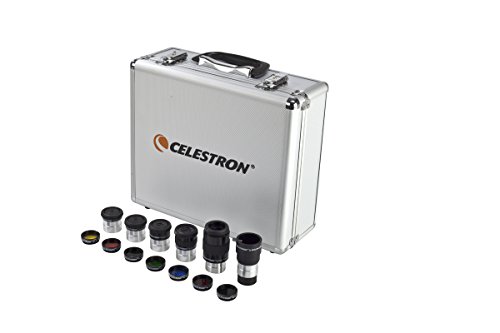


Celestron – 1.25” Eyepiece and Filter Accessory Kit – 14 Piece Telescope Accessory Set – Plossl Telescope Eyepiece – Barlow Lens – Colored Filters – M...
| SELLER | SELLER SCORE | AMAZON FULFILLED | PRIME | FREE SHIPPING |
|---|---|---|---|---|
| Amazon.com | 9.68 | Yes | Yes | Yes |
Amateur astronomers looking to upgrade from basic stock optics without breaking the bank need this Celestron kit immediately. I was impressed by how this single set transforms a standard telescope into a versatile observation station. The five Plössl eyepieces cover everything from wide-field scanning to high-power viewing, and the inclusion of a 2x Barlow lens effectively doubles your magnification options. It is essentially like having ten different eyepieces in one package. I also found the colored filters incredibly useful for bringing out specific details on Jupiter and Mars that otherwise look washed out. Everything arrives tucked into a rugged, foam-lined metal case that keeps your gear organized and protected during transport, with plenty of extra space to expand your collection later.

The first decision in your purchasing journey is determining the breadth of the light spectrum you wish to capture. Broadband filters are designed to allow a wide range of light through while merely suppressing specific wavelengths, such as those emitted by sodium-vapor streetlights. These are excellent for general deep-sky imaging where you want to maintain natural color balance. However, if you are shooting from a light-polluted suburban area, you will likely need to move toward narrowband filters. Narrowband filters are much more aggressive; they target specific chemical signatures—such as Hydrogen-alpha (H-alpha), Oxygen-III (OIII), or Sulfur-II (SII)—while blocking almost everything else. This allows you to capture stunning detail in nebulae even under heavy moonlight or city lights, though it requires longer exposure times.
One of the most common mistakes in astrophotography is purchasing a filter that does not physically integrate with your existing optical train. Filters come in various formats: screw-in types for traditional camera lenses, ring-mounted versions for specific telescope accessories, and specialized filter wheels for automated imaging setups. You must measure the diameter of your telescope's imaging train or your camera's sensor housing accurately. Furthermore, consider the thickness of the filter. In fast focal ratio systems (like f/2 or f/3), a filter that is too thick can introduce spherical aberration or tilt, which degrades star shapes. Always ensure the filter is designed for the specific optical path you are using.
Not all glass is created equal. When evaluating Celestron filters, look closely at the coating specifications. High-quality astronomical filters utilize multi-layer anti-reflective coatings to prevent internal reflections and 'ghosting.' Ghosting occurs when light bounces between the filter and your sensor, creating artificial artifacts in your image. Look for filters that emphasize high transmission rates within their target bands. A filter that claims to block light pollution but has low transmission in the H-alpha band will result in weak, washed-out images. The goal is maximum throughput for the desired light and maximum rejection for the unwanted light.
Modern CMOS and CCD sensors have different sensitivities to specific wavelengths. For example, many modern color cameras are naturally more sensitive to red light, which can make H-alpha imaging look disproportionately bright. When selecting your filters, consider how they will interact with your specific camera's quantum efficiency. If you are using a dedicated monochrome camera, you have the luxury of using individual narrowband filters for each chemical element, allowing for the creation of 'Hubble Palette' images. If you are using a color camera, you may need to look for specialized dual-band filters that target two specific wavelengths simultaneously to work within the constraints of a Bayer matrix.
To make your final selection, start with your environment. If you are in a dark sky site, a simple light-pollution suppression filter is sufficient. If you are in a city, prioritize high-quality narrowband filters. Next, match the filter to your target; if you want to photograph planetary details, look for specialized color filters, whereas for nebulae, focus on H-alpha and OIII. Finally, always prioritize optical thickness and coating quality to ensure your stars remain pin-sharp through the entire imaging session.
Quick answers about Celestron Camera Photo Filters before you buy.
Share of top-ranked products by brand, from our editorial analysis.
We've carried out a comprehensive analysis of 2,867 reviews on Celestron Camera Photo Filters, using our selection criteria to identify the best options in the camera & photo. Our findings reveal that most customers typically select Celestron Camera Photo Filters priced around $123.30.
Our team of expert editors reviewed these high-quality items and handpicked the top 6 Celestron Camera Photo Filters for your consideration..
We are dedicated to assisting our users in finding the right filters Products based on their needs, saving them considerable time when choosing which Celestron Camera Photo Filters to buy. We take pride in the number of satisfied users we've helped through our thorough and insightful reviews.
Compare the top 6 picks at a glance — select a column to sort.


