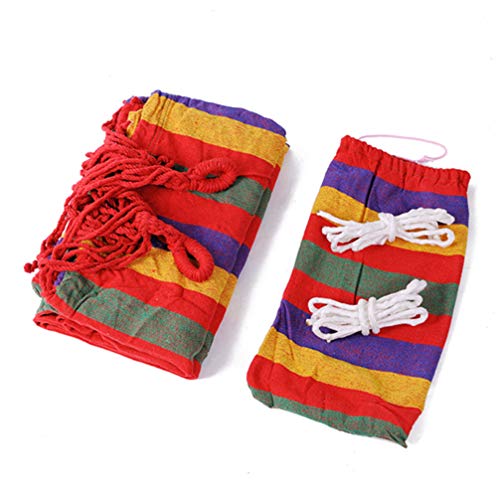
Material Composition and Durability
The fabric of your hammock is the most critical factor in its longevity and comfort. Most camping hammocks fall into two material categories: nylon and polyester. Nylon is the gold standard for lightweight backpackers because it is incredibly strong and has a natural elasticity. This 'stretch' is actually a benefit, as it allows the hammock to contour to your body shape, reducing pressure points. However, nylon is sensitive to UV rays and can lose strength if left wet for extended periods. Polyester, on the other hand, is more resistant to sun damage and dries faster, making it a great choice for tropical environments or heavy dew, though it lacks the soft, forgiving stretch of nylon. When inspecting a hammock, look for high denier ratings. A higher denier typically indicates a thicker, more abrasion-resistant weave that can withstand the rigors of being tossed into a pack and dragged through brush.
Weight Capacity and Load Distribution
Never assume a hammock's capacity is a hard limit. If a manufacturer states a weight limit of 300 pounds, that is often the threshold for a single person sitting upright. For true comfort and safety, you should look for a hammock with a capacity that exceeds your body weight by at least 20-30%. Furthermore, consider the 'lay' of the hammock. A narrow, single-person hammock is excellent for ultralight hiking, but it can feel restrictive. If you prefer to sleep on your side, look for wider models or 'double' hammocks, which provide the lateral space necessary to prevent your shoulders from being pushed upward toward your chin.
Suspension Systems and Setup Speed
A hammock is only as good as its ability to be hung. Some entry-level models come with simple ropes, but these are cumbersome and can damage tree bark. Professional-grade camping hammocks almost always utilize a dedicated suspension system consisting of tree straps and carabiners. Look for wide, polyester webbing straps. These distribute the load over a larger surface area of the tree, preventing damage and ensuring a more stable hang. High-quality setups will also include adjustable ridgeline adjusters, allowing you to fine-tune the tension and angle of the hammock without having to re-tie knots in the dark. If you are a minimalist, ensure the included hardware is lightweight and integrated into the hammock's design to save space in your kit.
Portability and Storage Solutions
If you are a backpacker, every ounce counts. Look for hammocks that include a built-in compression sack or a lightweight stuff sack. A well-designed hammock should be able to compress down to the size of a large grapefruit. Pay attention to the total weight of the kit—including the straps and carabiners—rather than just the fabric weight. For casual campers who primarily use their hammock for backyard lounging or car camping, weight is less of a concern, and you can prioritize larger dimensions and thicker, more luxurious fabrics over portability.