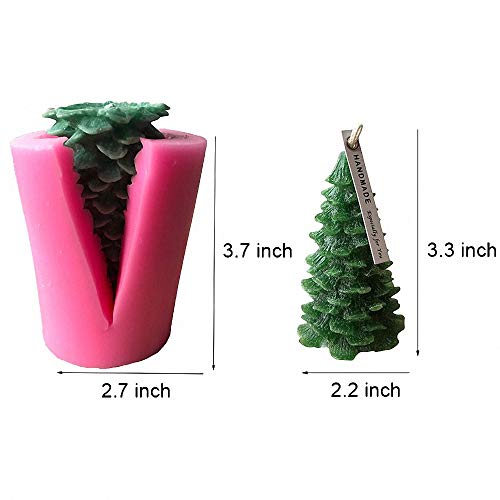
Material Composition: Silicone vs. Plastic
The most significant decision you will make is choosing between silicone and hard plastic molds. For the vast majority of crafters, high-grade silicone is the gold standard. Silicone is inherently flexible, which is essential for complex shapes. When the wax has fully cooled, you need to be able to peel the mold away from the candle without putting undue stress on the edges. Silicone also handles temperature fluctuations well and is incredibly durable, allowing for hundreds of uses. Hard plastic molds, on the other hand, are often used for pillar candles with simpler geometries. While they provide a very smooth surface, they can be difficult to unmold if the design has deep undercuts, potentially leading to cracked candles.
Detail Fidelity and Surface Texture
One of the primary reasons to use specialized molds is to achieve intricate patterns—think botanical textures, geometric facets, or sculptural figures. When evaluating a mold, look closely at the depth of the crevices. A mold with shallow engravings will result in a 'blurry' candle that lacks definition. High-quality molds feature crisp, sharp lines that capture even the smallest textures. If you are working with soy wax, which can sometimes be softer than paraffin, you will want a mold that provides enough structural detail to help the candle hold its shape during the cooling process.
Ease of Release and Mold Depth
A common frustration in candle making is 'stuck' wax. To avoid this, look for molds that feature a slight taper or a design that doesn't create excessive suction. Deep molds allow for taller, more impressive pillar candles, but they also increase the risk of air bubbles getting trapped at the bottom. When selecting a mold, consider the complexity of the interior. If the mold has many narrow channels, you may need to use a mold release spray to ensure a clean exit. Always check if the mold is deep enough to accommodate the volume of wax you intend to pour to avoid messy overflows.
Durability and Maintenance
Since candle making involves working with hot liquids, your molds must be heat-resistant. High-quality silicone molds should be able to withstand temperatures well above the melting point of most waxes without warping or degrading. Additionally, consider how easy the mold is to clean. Wax buildup in the fine details of a mold can ruin future pours. Look for non-porous materials that allow you to wipe away residue easily with a bit of warm soapy water or a specialized cleaner, ensuring your next batch of candles looks just as pristine as the first.
Design Intent: Pillar vs. Container
Finally, ensure you are buying the correct type of mold for your specific wax type. Pillar molds are designed for candles that stand on their own and require a sturdy, self-supporting structure. If you are making scented jar candles, you don't need a mold at all—you need containers. Always match the mold's intended use with your wax's melting point and hardness. A soft soy wax might struggle to hold the shape of a highly detailed, thin-walled silicone mold, whereas a harder paraffin or beeswax blend will excel in those intricate designs.