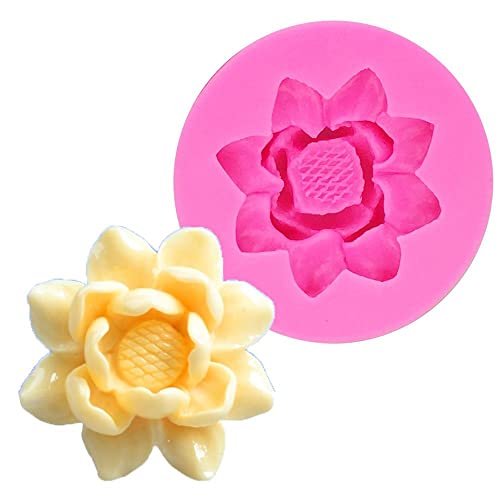
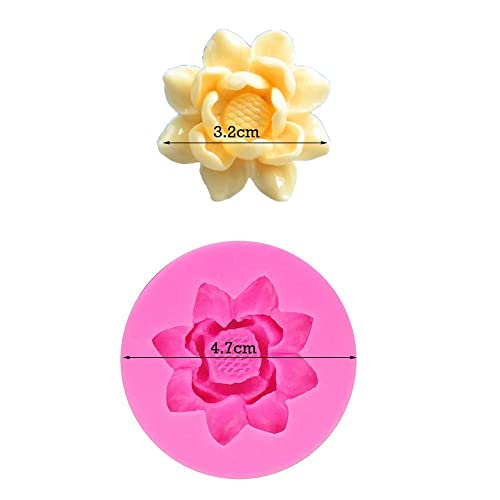
The most critical decision in selecting a mold is the material. For most modern crafters, high-grade silicone is the gold standard. Silicone is prized for its flexibility, which allows for easy de-molding of intricate designs without snapping delicate edges. It also handles the thermal expansion of hot wax exceptionally well. If you are working with complex geometric shapes or botanical imprints, silicone is non-negotiable.
Plastic molds are generally more rigid and are often used for simple, cylindrical pillars. While they are budget-friendly and hold their shape well for mass production, they lack the 'give' required for detailed artistry. They are best suited for beginners making basic votives. Metal molds, typically aluminum, are favored by professionals for high-volume production because they conduct heat evenly, helping the wax set predictably. However, they require much more skill to ensure the wax doesn't stick to the sides.
Complexity of Design and Detail Retention
When browsing molds, look closely at the depth and sharpness of the design. If you are aiming for a 'sculptural' candle—such as a bust, a seashell, or a geometric knot—you need a mold with high detail retention. This is often found in platinum-cured silicone molds. Check the 'undercuts' of the design. An undercut is a part of the design that curves inward. If a mold has too many deep undercuts without sufficient flexibility, you will struggle to remove the candle without damaging it. For intricate textures, look for molds that feature fine-grain surface patterns which will translate beautifully into the wax.
Ease of Release and Durability
A mold is only as good as its ability to release the product. Look for descriptions that emphasize 'non-stick' properties or 'high elasticity.' A mold that is too stiff will require you to use excessive force, which can lead to micro-tears in the wax surface. Furthermore, consider the longevity of the mold. Cheap, thin-walled silicone tends to lose its shape after a few dozen pours, especially if you are using high-temperature soy blends or paraffin. Investing in thicker, heavy-duty silicone ensures that the mold maintains its dimensional accuracy over hundreds of uses.
Size and Compatibility with Wax Types
Before purchasing, calculate your wax volume requirements. Molds come in various capacities, and a mismatch can lead to wasted materials or incomplete pours. Additionally, consider your wax type. If you are a dedicated soy wax user, you may prefer molds that accommodate the slightly slower cooling process of natural waxes. If you are working with container candles (poured into jars), you aren't looking for molds at all, but rather vessels. This guide focuses on pillar molds, where the mold itself defines the candle's shape. Always ensure the diameter of the mold is compatible with the wick size you intend to use to ensure an even burn pool.