Determining Your Design Language
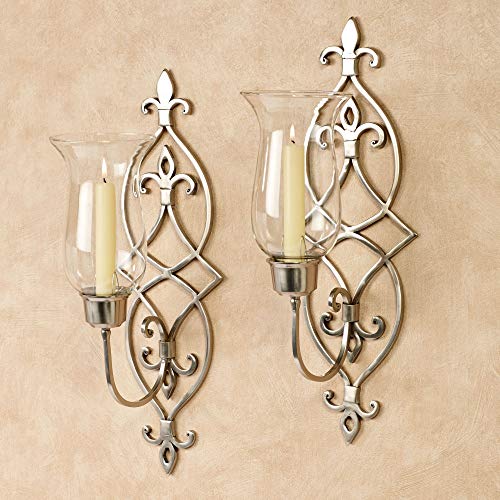
The first step in selecting a candle sconce is identifying the stylistic direction of your space. Sconces are highly expressive objects. If your home leans toward traditional or transitional decor, look for sconces with intricate metalwork, scrolled arms, or aged finishes like rubbed bronze or antique brass. These pieces act as focal points that anchor a room's history. Conversely, if you are decorating a contemporary or mid-century modern space, prioritize geometric simplicity. Look for clean lines, matte black finishes, and slim profiles that hug the wall. The goal is to ensure the sconce feels like an integrated part of the room rather than an afterthought.
Materiality and Finish Durability
Because sconces are tactile objects, the material quality is paramount. High-quality sconces are typically crafted from solid metals such as iron, brass, or steel rather than lightweight resins or thin alloys. Metal provides the necessary weight to ensure the fixture hangs straight and remains secure over time. Pay close attention to the finish. A powder-coated finish offers excellent resistance to fingerprints and moisture, making it ideal for hallways or entryways. If you are placing sconces in a dining area where they may be subject to more frequent cleaning, a polished or brushed metal finish is often easier to maintain than a textured, pitted surface.
Light Source and Practicality
One of the most critical decisions involves the type of 'candle' you intend to use. While traditional wax candles offer unparalleled authenticity, they require constant maintenance and pose a fire risk in certain environments. Many modern sconces are designed to accommodate high-quality LED flameless candles. When shopping, ensure the sconce design allows for easy access to the candle holder. If you plan to use real wax, ensure the sconce has a drip tray or a wide enough base to catch melting wax, preventing damage to your walls. If you prefer the convenience of electric, look for sconces that are compatible with LED bulbs designed to mimic the warm color temperature (2200K to 2700K) of a real flame.
Scale, Placement, and Wall Clearance
A common mistake is selecting a sconce that is either too diminutive for the wall space or too large for the intended walkway. A sconce should be scaled to the height of your ceiling and the width of the furniture below it. For instance, when flanking a mirror or a piece of art, the sconces should be roughly one-third the height of the central object to maintain visual balance. Furthermore, consider the 'projection'—how far the sconce sticks out from the wall. In narrow corridors, choose low-profile models to prevent people from bumping into them. In large, open living areas, you can afford more dramatic, extended arms that cast wider shadows and create more depth.
Installation and Mounting Requirements
Before purchasing, determine if you require hardwired installation or if you prefer battery-operated, wireless options. Hardwired sconces provide a seamless, professional look with no visible wires, but they require electrical work. Wireless, battery-operated sconces are perfect for renters or those who want to add ambiance to a space without the cost of an electrician, though you must consider the frequency of battery changes. Always check the mounting hardware included to ensure it is compatible with your wall type, whether it be drywall, plaster, or masonry.