Understanding Flavor Intensity and Profiles
The first step in selecting the right mint is determining your desired level of 'kick.' In the specialty mint category, flavors generally fall into two camps: classic botanical and dessert-inspired. Classic botanical mints rely heavily on peppermint, spearmint, or eucalyptus. If you are seeking a mint for functional use—such as clearing nasal passages or providing a sharp, clean sensation after a meal—look for high concentrations of menthol. These tend to have a 'cooling' effect that lingers. On the other hand, dessert-inspired mints often incorporate vanilla, chocolate, or fruit essences. These are less about aggressive breath freshening and more about a subtle, sweet palate cleanser. When reading descriptions, pay attention to whether the flavor is described as 'sharp' or 'mellow,' as this will dictate how the mint interacts with your taste buds.
Texture and Dissolution Rate
A mint is defined as much by its mouthfeel as its flavor. When browsing different options, consider how you intend to consume them. Hard-boiled mints are designed for slow dissolution, making them ideal for long-lasting enjoyment or for those who like to savor a single piece over several minutes. These are typically made with higher sugar content or specific starch binders to prevent them from crumbling too quickly. Conversely, if you prefer a mint that vanishes quickly to provide instant freshness, look for lighter, more aerated textures. Some specialty mints also offer a slightly granular or crystalline surface, which provides an immediate burst of flavor upon contact with saliva, whereas smooth, polished mints offer a more gradual release.
Sugar Content and Dietary Considerations
Because many premium mints are confectionery-grade, sugar content is a major decision factor. Traditional sugar-based mints often provide a more robust, 'round' flavor profile and a smoother texture, but they are not ideal for those monitoring glucose levels. If you are looking for a dietary-friendly option, seek out mints sweetened with xylitol or erythritol. These sugar alcohols provide a similar sweetness without the glycemic spike, and xylitol, in particular, is often praised for its dental benefits. However, be aware that sugar-free mints can sometimes have a slightly different 'after-feel' or a cooling sensation that is more intense than sugar-based versions due to the chemical properties of the sweeteners used.
Packaging and Portability
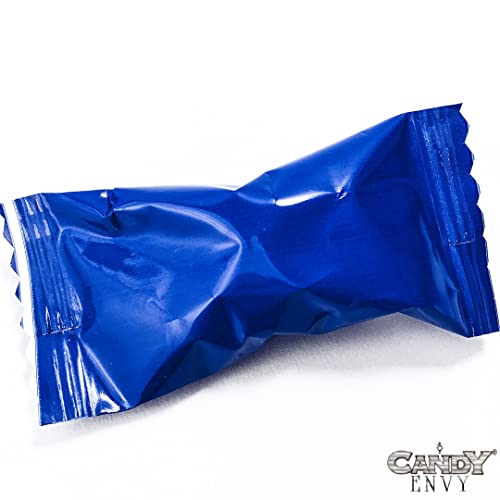
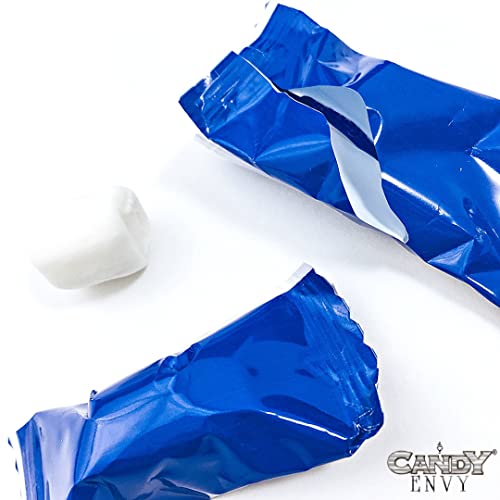
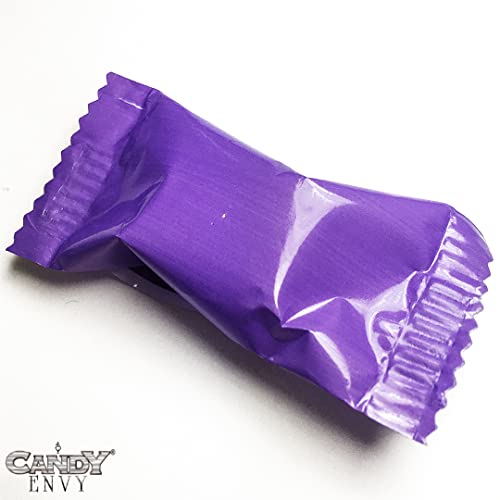
Since mints are frequently used on the go, the packaging is a critical component of the buying decision. For office environments or travel, look for tins or hard-shell containers that prevent the mints from breaking into dust. A mint that has been crushed into powder in your bag is far less enjoyable than a whole piece. If you are purchasing mints for home enjoyment or as a gift, larger bags or decorative jars may be more appropriate. Consider the seal integrity. A high-quality mint should be stored in an airtight environment to prevent moisture from making the mints sticky or causing them to lose their crispness.
Summary Recommendation Logic
To make the perfect choice, follow this logic: If your goal is immediate breath freshness, prioritize high-menthol, sugar-free hard mints in a portable tin. If you want a gourmet treat to accompany a beverage, opt for smooth, sugar-based botanical mints with complex flavor profiles like vanilla-mint. Finally, if you are sensitive to sweetness, always check the ingredient list for sugar alcohols to ensure a clean, crisp finish without the heavy syrupy residue found in lower-quality candies.