Understanding the All-Season Spectrum
Not all all-season tires are created equal. When shopping, you will encounter a spectrum ranging from 'Grand Touring' to 'Ultra-High Performance.' Grand Touring tires are designed for maximum comfort, a quiet ride, and long tread life. They are ideal for commuters and family vehicles. If you drive a sportier sedan or a performance-oriented crossover, you may prefer Ultra-High Performance (UHP) all-seasons, which prioritize lateral grip and responsive steering at the expense of a slightly shorter lifespan. Understanding where your driving style falls on this spectrum is the first step in narrowing your search.
Tread Pattern and Siping Dynamics
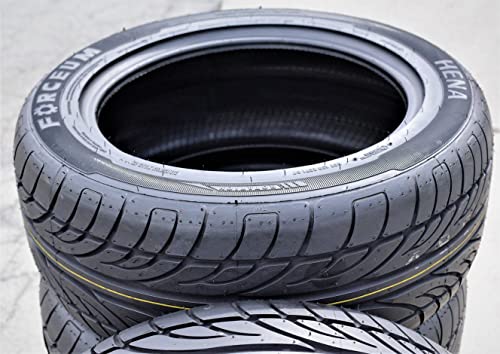
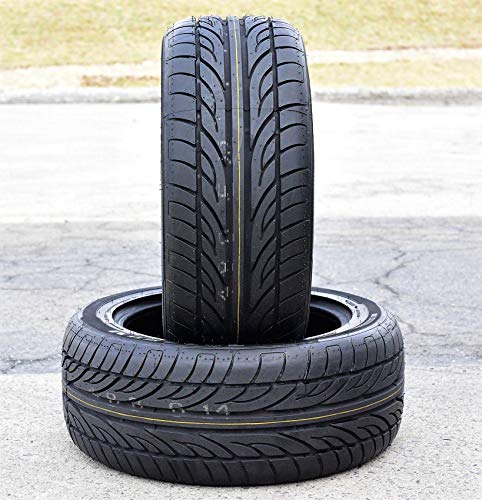
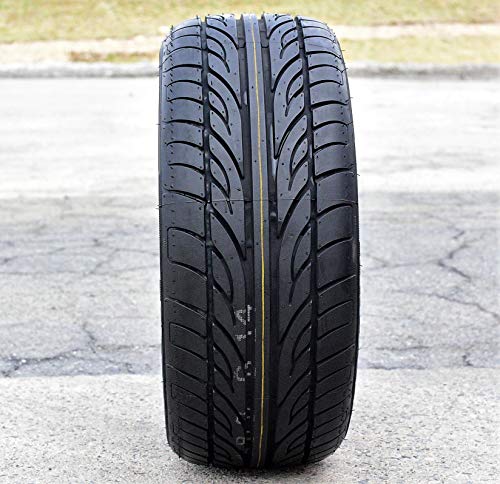
The geometry of the tire's surface dictates how it interacts with the road. In all-season tires, look closely at the 'sipes'—those tiny, thin slits cut into the tread blocks. These sipes act as biting edges that grip onto slush and light snow, preventing the tire from hydroplaning. A tire with a more aggressive, asymmetrical tread pattern often provides better water evacuation, which is critical for preventing aquaplaning during heavy rainstorms. If you live in an area that experiences frequent temperature swings, ensure the tread compound is designed to remain pliable in the cold. A compound that hardens too quickly in winter will significantly reduce your braking distance.
The Importance of UTQG Ratings
To make an objective comparison, look at the Uniform Tire Quality Grading (UTQG) ratings printed on the sidewall. There are three key metrics: Treadwear, Traction, and Temperature. The Treadwear rating is a number that indicates how long the tire is expected to last. A higher number generally means a longer life. The Traction rating (AA, A, B, or C) measures the tire's ability to stop on wet pavement. For most drivers, an 'A' rating is the gold standard for safety. Finally, the Temperature rating indicates the tire's resistance to heat buildup at high speeds, which is vital for maintaining structural integrity during summer highway driving.
Noise, Comfort, and Fuel Economy
Beyond safety, your daily driving experience is dictated by acoustic properties and rolling resistance. Premium all-season tires often feature variable pitch tread designs, which use different sized tread blocks to cancel out road noise, resulting in a much quieter cabin. Furthermore, if you are concerned about fuel costs, look for tires marketed with 'low rolling resistance.' These tires are engineered to require less energy to move, which can marginally improve your vehicle's MPG. While these specialized tires might have a slightly higher upfront cost, the long-term savings in fuel and the increase in ride quality often justify the investment.
Load Index and Speed Rating
Never compromise on the technical specifications required by your vehicle manufacturer. Every car has a specific load index (the weight-carrying capacity) and a speed rating (the maximum speed the tire can safely sustain). If you install a tire with a lower load index than what is specified on your driver-side door jamb, you risk tire failure under heavy loads or during high-speed maneuvers. Always match or exceed the manufacturer's requirements to ensure the structural integrity of your vehicle's handling remains intact.