Understanding the All-Season Spectrum
The term 'all-season' is a broad umbrella that covers several distinct sub-categories. To make an informed choice, you must first decide where you fall on the performance spectrum. On one end, you have Grand Touring tires, which are designed for longevity, comfort, and a smooth ride. These are ideal for commuters and families who prioritize a quiet cabin and high mileage. On the other end, you have Ultra-High Performance (UHP) all-season tires. These are built for drivers who want the responsiveness of a sports tire but need the ability to drive in moderate rain or light slush. If you have a high-horsepower vehicle, UHP tires provide the necessary lateral grip to prevent sliding during aggressive cornering.
Tread Pattern and Siping Technology
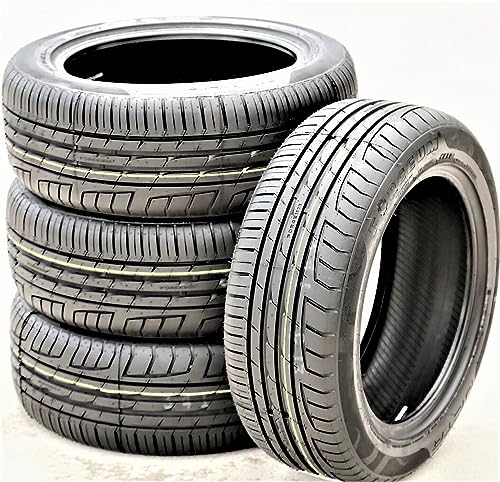
The geometry of the tire tread is what dictates its ability to evacuate water and grip slippery surfaces. When inspecting all-season options, look closely at the sipes—those tiny, thin slits cut into the tread blocks. Sipes are essential for all-season versatility because they create extra biting edges that grab onto snow and ice. A tire with heavy siping will perform better in winter conditions but might feel slightly more 'squishy' during high-speed dry driving. Conversely, a tire with larger, more solid tread blocks will offer superior stability and steering precision on dry pavement but may struggle to find traction in a sudden frost.
The Importance of Treadwear Ratings
Since all-season tires are intended to be your primary source of traction for several years, durability is a key economic factor. Most manufacturers provide a UTQG (Uniform Tire Quality Grading) treadwear rating. A higher number indicates a harder rubber compound that will likely last more miles before needing replacement. However, there is a trade-off: harder compounds generally offer less grip in cold temperatures. If you live in a climate that stays above freezing most of the year, you can lean toward a higher treadwear rating for better value. If you experience frequent freezing temperatures, you may want to sacrifice some longevity for a softer, more compliant compound that stays flexible in the cold.
Noise, Vibration, and Harshness (NVH)
For many drivers, the 'feel' of a tire is defined by how much road noise penetrates the vehicle. All-season tires are often judged by their NVH characteristics. Premium touring tires frequently utilize variable pitch tread designs—where the tread blocks are sized differently to break up sound waves—resulting in a much quieter ride. If you frequently drive on highways, prioritize tires that specifically market themselves as 'quiet' or 'comfort-oriented.' If you opt for a performance-heavy tire, expect a higher level of road hum, as the stiffer sidewalls and aggressive tread patterns required for handling often generate more acoustic feedback.
Final Recommendation Logic
When narrowing down your selection, follow this decision hierarchy: First, define your climate. If you deal with heavy snow, look for 'All-Weather' designations which are a step above standard all-season. Second, identify your driving style. Are you a highway cruiser or a spirited cornerer? Third, check the mileage warranty. A tire that lasts 70,000 miles is a better long-term investment than a performance tire that requires replacement at 30,000 miles, provided the performance gap doesn't compromise your safety requirements.