Understanding the All-Season Spectrum
When shopping for all-season tires, it is crucial to understand that this category is actually split into two distinct sub-types: Grand Touring and Ultra High Performance (UHP). Grand Touring tires are engineered with a focus on a smooth, quiet ride and long tread life. These are ideal for daily commuters and family vehicles where comfort and mileage are the priorities. On the other hand, UHP all-season tires feature stiffer sidewalls and specialized tread compounds designed to maintain grip during high-speed cornering and aggressive maneuvers. If you prioritize a relaxed highway cruise, lean toward Grand Touring. If you enjoy a more responsive, sporty feel, look for UHP designations.
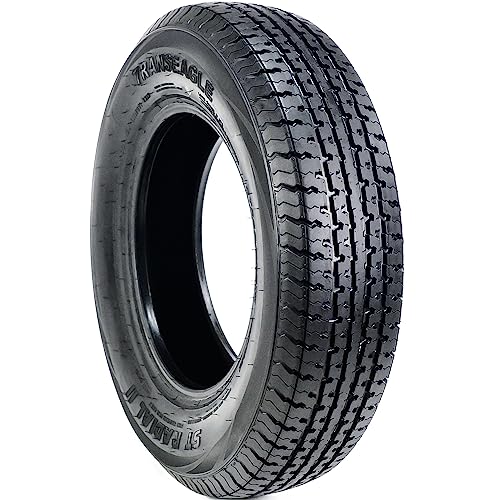
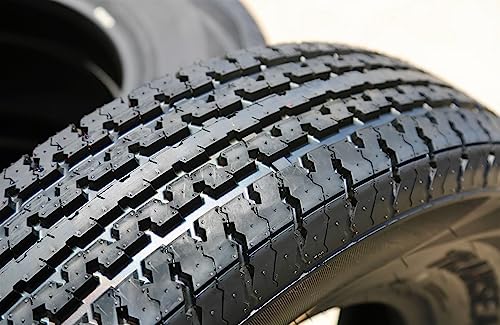
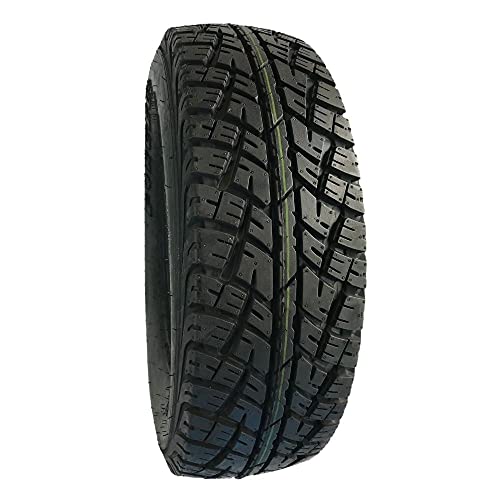
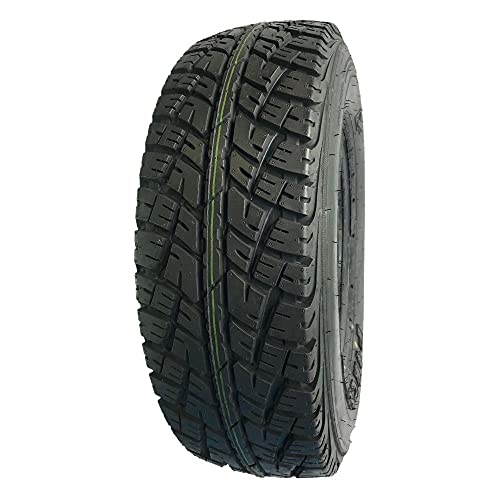
Two of the most important metrics you will encounter are the UTQG (Uniform Tire Quality Grading) ratings, specifically the Treadwear and Traction ratings. The Treadwear rating is a number that indicates how long the tire is expected to last. A higher number generally means a longer lifespan, though this often comes at the cost of slightly softer rubber that may sacrifice some grip. The Traction rating (AA, A, B, or C) measures the tire's ability to stop on wet pavement. For a safe all-season experience, you should never settle for anything less than an 'A' rating. Additionally, pay close attention to the tread pattern. Deep longitudinal grooves are essential for evacuating water to prevent hydroplaning, while sipes—the tiny slits in the tread blocks—are what provide the necessary biting edges for traction in light slush or snow.
Climate Adaptability and Compound Science
While all-season tires are designed to handle a variety of conditions, their performance is heavily dictated by the rubber compound. Some all-season tires are 'All-Weather' tires, which are a step above standard all-seasons. All-weather tires are specifically rated with the Three-Peak Mountain Snowflake (3PMSF) symbol, meaning they have passed rigorous testing for severe snow performance. If you live in a region where winter temperatures frequently drop below freezing and snow is a regular occurrence, opting for an all-weather tire provides much better peace of mind than a standard all-season tire, which may become stiff and lose grip in extreme cold.
Noise, Comfort, and Fuel Economy
Modern tire technology has made massive strides in reducing road noise. If you drive on highways frequently, look for tires that feature variable pitch tread patterns, which are designed to cancel out rhythmic humming sounds. Furthermore, consider the rolling resistance of the tire. Low rolling resistance tires are engineered to require less energy to move, which can lead to improved fuel economy. While these tires might sometimes feel slightly less 'plush' than a heavy touring tire, the long-term savings at the pump can be substantial. Always weigh your personal driving habits—distance traveled, speed, and climate—against these technical specifications to find your perfect match.