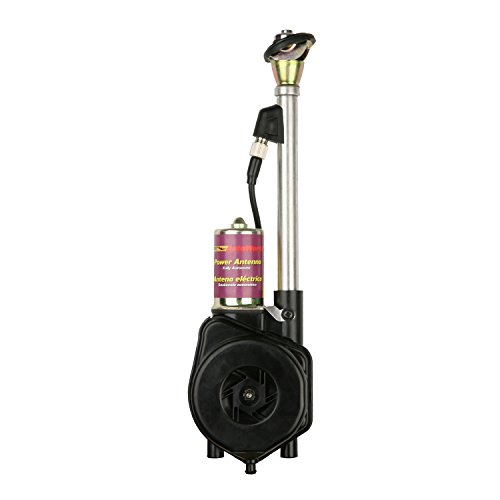
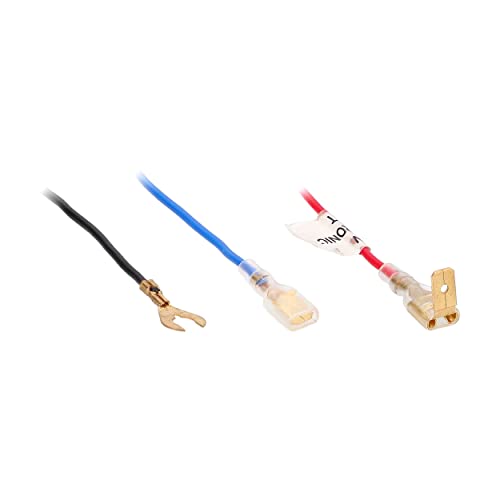
Understanding Vehicle Compatibility and Connector Types
The most critical factor in selecting a Metra antenna is ensuring the physical and electrical compatibility between your vehicle's original harness and your new aftermarket head unit. Vehicles are not standardized. A European import will have vastly different antenna requirements than a domestic truck. Metra specializes in 'interface modules' that act as translators. You must identify whether your vehicle uses a standard Motorola plug, a proprietary integrated tuner system, or a specialized digital antenna. If your car features an integrated tuner—where the radio tuner is located inside the dashboard rather than the antenna base itself—you cannot simply plug a standard antenna into your new radio. You will need a specific Metra antenna interface that carries the signal from the vehicle's tuner to the new head unit's internal tuner.
Signal Integrity and Impedance Matching
When browsing through antenna options, look beyond the physical plug. The quality of the internal shielding determines how much interference you will pick up from your car's electrical system, such as alternator whine or ignition noise. High-quality Metra components are designed to maintain proper impedance, ensuring that the signal strength remains consistent from the roof of the car down to the radio. If you are upgrading to a high-fidelity audio system, investing in a shielded antenna adapter is non-negotiable. A cheap, unshielded wire may fit the connector, but it will introduce electromagnetic interference (EMI) that degrades the audio quality of your entire system.
Satellite Radio (SiriusXM) Requirements
If your upgrade includes a head unit capable of SiriusXM, your antenna selection becomes significantly more complex. Standard FM/AM antennas are insufficient for satellite signals. You must determine if your vehicle's existing satellite antenna is compatible with your new hardware. Many Metra kits include specific satellite antenna adapters that allow you to leverage the factory-installed satellite antenna on your roof. Without the correct adapter, you may find yourself unable to connect the satellite signal to your new receiver, rendering a premium feature useless. Always check if the kit specifically mentions satellite signal pass-through or if a separate satellite antenna purchase is required.
Deciding on an antenna is also a decision about the labor involved in your installation. Some Metra products are 'plug-and-play,' meaning they feature color-coded connectors that snap together without any wire stripping or soldering. Others may require basic crimping or soldering to integrate with the vehicle's existing harness. When choosing, consider your comfort level with automotive electrical work. If you are looking for a seamless installation, prioritize kits labeled as 'direct fit' or 'integrated harness adapters.' These minimize the risk of short circuits and ensure a more reliable connection over the long term, which is vital given the vibrations and temperature fluctuations a car undergoes daily.
Final Recommendation Logic
To make the right choice, follow this hierarchy: First, identify your vehicle's tuner location (integrated vs. standalone). Second, confirm if you require satellite radio functionality. Third, choose a kit that matches your technical skill level—preferring harness adapters over raw wire kits if you want to avoid electrical troubleshooting. By focusing on these three pillars, you ensure that your new head unit performs at its peak potential, providing the seamless, high-fidelity audio experience you expect.