Material Composition and Durability
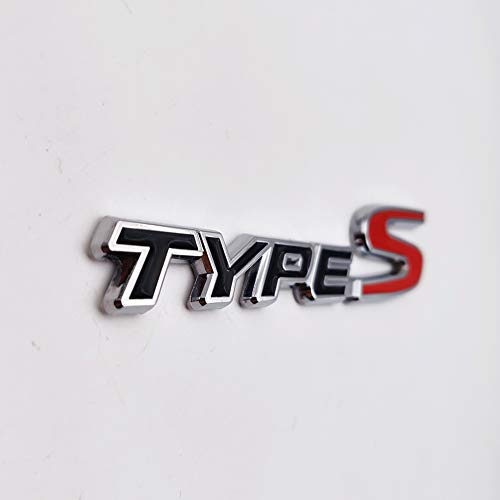
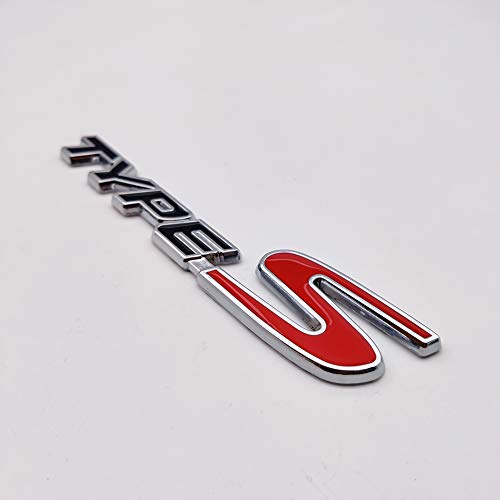
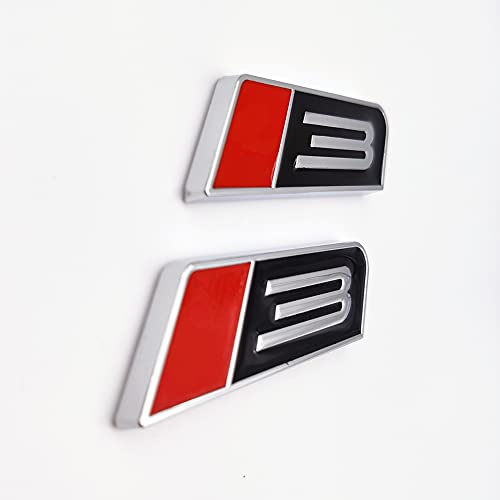
The most critical factor when choosing a car emblem is the material it is crafted from. Because emblems are constantly exposed to harsh UV rays, extreme temperature fluctuations, and road debris, cheap plastics will quickly fade, crack, or become brittle. Look for emblems made from high-grade ABS plastic with a chrome-plated finish or solid metal alloys. A high-quality chrome finish should have a deep, mirror-like luster that resists oxidation and 'pitting' over time. If you are opting for a 3D or raised emblem, ensure the layering is seamless. Gaps between layers can trap moisture and road salt, leading to premature degradation of the adhesive or the material itself.
Fitment and Dimensional Accuracy
An emblem that is slightly too large or too small can ruin the symmetry of your vehicle's grille or trunk. When shopping, pay close attention to the dimensions provided. If you are replacing an OEM (Original Equipment Manufacturer) badge, you want a direct replacement that matches the existing footprint exactly. If you are adding a custom emblem, consider the 'visual weight' it adds to the car. A massive emblem on a compact car can look disproportionate, while a tiny emblem on a large SUV might get lost. Always measure the mounting area of your vehicle before committing to a purchase to ensure the emblem sits centered and flush.
Adhesive Quality and Installation Method
How an emblem stays attached is just as important as how it looks. The gold standard for automotive emblems is high-bond, automotive-grade double-sided tape. This type of adhesive is designed to withstand high-speed wind resistance and car washes without peeling. Avoid emblems that rely on cheap, generic foam tapes, as these can expand and contract at different rates than the emblem, causing it to pop off while driving. When installing, the surface must be meticulously cleaned with isopropyl alcohol to remove all wax and oils. A successful installation is one where the emblem feels like a permanent part of the bodywork, not a temporary sticker.
Aesthetic Integration and Style
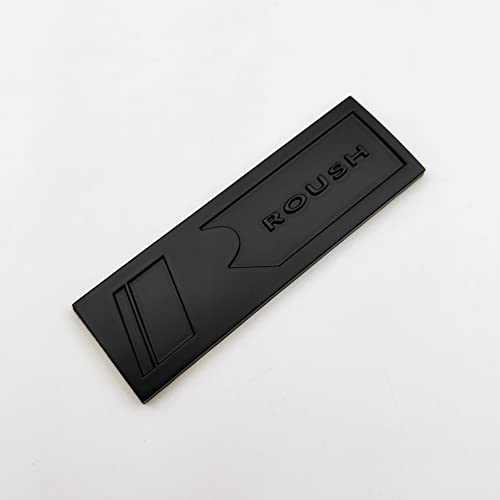
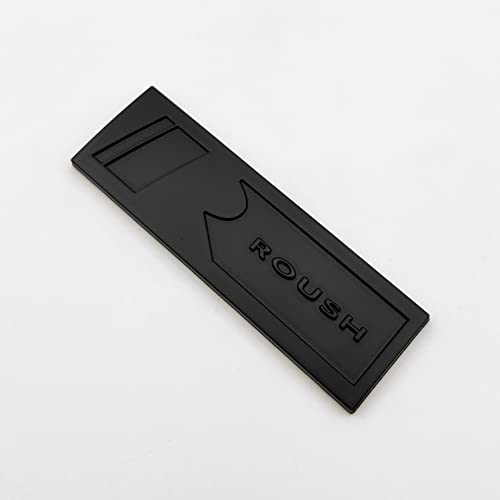
The style of your emblem should complement the existing design language of your car. If you drive a modern, sleek electric vehicle, a minimalist, brushed-metal emblem often works best. Conversely, if you have a rugged off-road vehicle, a bold, high-contrast emblem with thicker lettering can enhance that tough aesthetic. Consider the color palette of your vehicle. Silver and chrome are universal, but blacked-out or 'murdered out' emblems are highly popular for those seeking a stealthy, aggressive appearance. Think about how the light will hit the emblem—beveled edges and 3D textures catch sunlight beautifully, adding a premium feel to your car's profile.