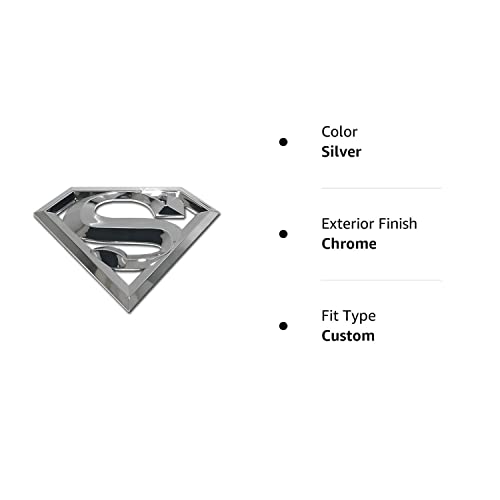
Material Composition and Plating Quality
The primary distinction between a mediocre emblem and a professional-grade one lies in the substrate and the plating process. Most high-quality emblems utilize an ABS (Acrylonitrile Butadiene Styrene) plastic base because it is lightweight, impact-resistant, and capable of holding intricate sculptural details. However, the 'electroplate' aspect is what determines longevity. Look for emblems that utilize multi-layer plating. A superior process involves a base layer of copper, followed by nickel, and finally a chrome finish. This layering prevents the 'rainbowing' effect or premature oxidation that occurs when thin, single-layer plating is exposed to road salt, moisture, and UV rays. If you are looking for a more sophisticated look, consider brushed metal finishes or 'smoke' chrome, which provide a more contemporary, understated aesthetic compared to traditional high-shine chrome.
Dimensional Accuracy and Profile
When replacing an OEM (Original Equipment Manufacturer) emblem, precision is non-negotiable. An emblem that is even a millimeter too thick or too wide will look like an aftermarket afterthought rather than a factory component. Pay close attention to the depth of the embossing. High-quality emblems feature crisp, sharp edges on the lettering and logos, whereas lower-quality versions often have rounded, 'mushy' details that lose definition when viewed from an angle. If you are customizing a vehicle, consider the profile: a low-profile emblem sits flush against the bodywork, offering a sleek, integrated look, while a high-relief emblem provides a more aggressive, three-dimensional presence.
Adhesion and Installation Reliability
An emblem is only as good as its ability to stay attached to your vehicle at highway speeds. The most reliable emblems come pre-mounted with high-grade automotive acrylic foam tape. Avoid emblems that rely on generic double-sided tapes or simple adhesives, as these are prone to failure during extreme temperature fluctuations. When shopping, look for descriptions specifying automotive-grade adhesive that is resistant to heat and chemical cleaners. A successful installation requires a clean, de-greased surface. If the emblem does not come with a surface preparation wipe, you will need to ensure your application area is perfectly prepped to prevent the emblem from vibrating loose over time.
Durability Against Environmental Stress
Your vehicle is constantly subjected to harsh environments, from intense summer heat to freezing winters and abrasive car washes. A high-quality electroplated emblem must be UV-stabilized to prevent the plating from yellowing or cracking. Furthermore, check for resistance to chemical corrosion. Since emblems are often located on grilles or trunks, they are frequently exposed to road salts and cleaning detergents. A premium emblem should maintain its reflective properties without pitting or bubbling, even after years of exposure to the elements.