Material Composition and Durability
The most critical factor in choosing an emblem is the material used in its construction. High-quality emblems are typically crafted from heavy-duty ABS plastic with a chrome-plated finish or high-grade zinc alloys. ABS plastic is highly favored for its lightweight nature and resistance to impact, making it ideal for curved surfaces. However, if you are looking for a premium, weighty feel that mimics luxury vehicle branding, look for metal-based emblems. Avoid thin, flimsy plastics that feel hollow. These are prone to UV degradation, which causes them to turn yellow or become brittle under constant sun exposure. A high-quality emblem should feature a multi-layer coating process to prevent the 'chrome' from peeling or pitting after a single season of rain and road salt.
Dimensional Accuracy and Fitment
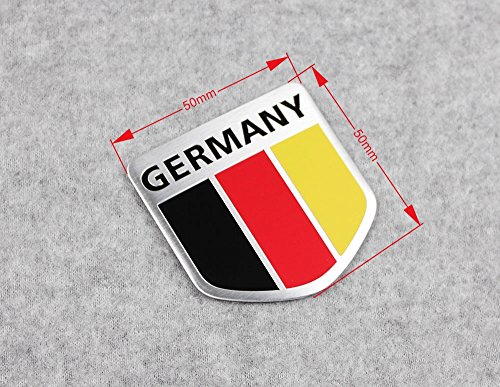
Generic emblems are often sold as 'universal' or 'style-matched' pieces, which means precision is paramount. Before purchasing, you must measure your existing emblem or the designated mounting area with extreme accuracy. A mismatch of even a few millimeters can result in an emblem that looks crooked or fails to sit flush against the bodywork. Pay close attention to the thickness of the badge. If an emblem is too thick, it may catch wind resistance at highway speeds, potentially tearing itself off. If it is too thin, it may lack the three-dimensional depth required to look authentic. Look for descriptions that specify the exact height, width, and depth to ensure a seamless integration with your car's existing trim lines.
Adhesive Quality and Installation Type
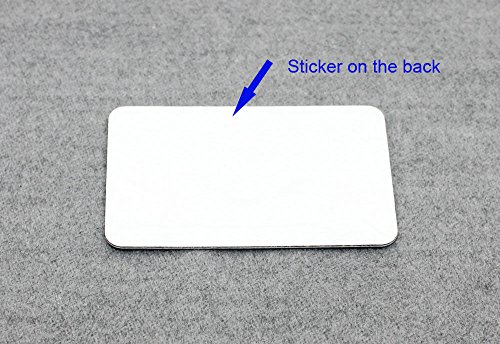
Most modern emblems utilize a pressure-sensitive adhesive backing, often utilizing industrial-grade acrylic foam tape. The quality of this tape is the difference between an emblem that stays put for years and one that falls off on the first car wash. When reviewing options, prioritize those that mention high-bond strength and weather resistance. Some premium emblems may offer screw-mount options, which provide the most permanent fit but require drilling into your vehicle's body—a decision that should only be made if you are prepared for permanent modifications. For most DIY enthusiasts, a high-quality adhesive backing is preferred, provided you follow proper surface preparation protocols, such as cleaning the area with isopropyl alcohol to remove all wax and oils.
Aesthetic Detail and Finish
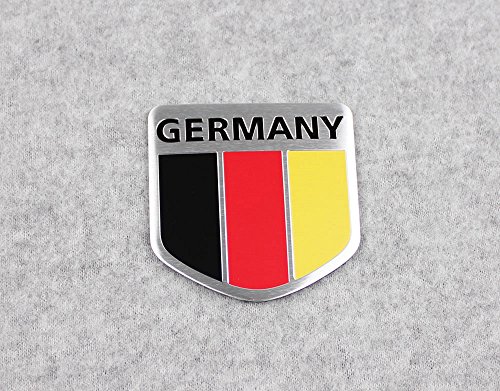
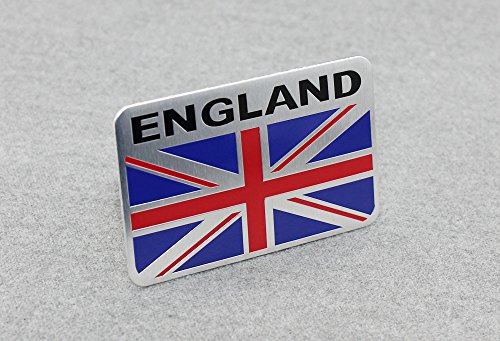
The 'finish' refers to how the light interacts with the emblem. A high-quality emblem will have crisp, sharp edges and clear, legible lettering or iconography. Inspect product imagery for 'micro-details'—if the logo looks blurry or the lines are soft, it is a sign of a low-quality mold. Furthermore, consider the color match. If you are replacing a specific brand logo, ensure the shade of silver, gold, or black matches your vehicle's current trim package. A mismatch between a bright, bluish chrome emblem and a warmer, yellowish chrome trim can make the entire vehicle look uncoordinated.
Recommendation Logic
When making your final decision, use this hierarchy: First, prioritize material (Metal/High-density ABS over cheap plastic). Second, prioritize adhesive reliability (Industrial foam tape over basic stickers). Third, prioritize dimensional precision. If you are working on a daily driver that faces harsh weather, lean toward metal-based emblems with UV-resistant coatings. If you are looking for a quick aesthetic tweak for a show car, focus heavily on the sharpness of the detail and the mirror-like quality of the chrome finish.