Understanding Pipe Diameter and Backpressure
The most critical technical factor in selecting an exhaust pipe is the internal diameter. It is a common misconception that 'bigger is always better.' While a larger diameter pipe allows for higher volumes of exhaust gas to flow more freely—which is beneficial for high-horsepower, turbocharged, or supercharged engines—it can actually harm a standard naturally aspirated engine. If the pipe is too wide, the exhaust gases lose velocity, leading to a drop in scavenging efficiency. This results in a loss of low-end torque, making the car feel sluggish during city driving. For most street-driven vehicles, look for a diameter that offers a marginal increase over stock to optimize flow without sacrificing the engine's ability to clear out combustion gases quickly.
Material Composition and Corrosion Resistance
Exhaust pipes are subjected to extreme thermal cycling and harsh environmental elements, including road salt and moisture. When evaluating options, pay close attention to the grade of stainless steel used. High-quality pipes typically utilize T304 stainless steel, which offers superior resistance to oxidation and heat-induced warping. Lower-tier options may use aluminized steel, which is more budget-friendly but will eventually succumb to surface rust. If you live in a coastal area or a region with heavy winter salt usage, investing in a higher grade of stainless steel is not just a performance choice, but a longevity necessity to prevent the pipe from thinning and eventually cracking.
Wall Thickness and Structural Integrity
The gauge or wall thickness of the pipe dictates how well it will withstand the vibrations and stresses of a moving vehicle. Thinner pipes are lighter, which can be a minor advantage in weight-sensitive builds, but they are significantly more prone to denting and fatigue cracking over time. A robust exhaust pipe should have enough wall thickness to maintain its shape under high heat and constant mechanical vibration. When comparing different offerings, look for specifications that mention heavy-duty construction, as this ensures the pipe remains a permanent fixture of your exhaust system rather than a temporary fix.
Fitment, Flanges, and Connection Types
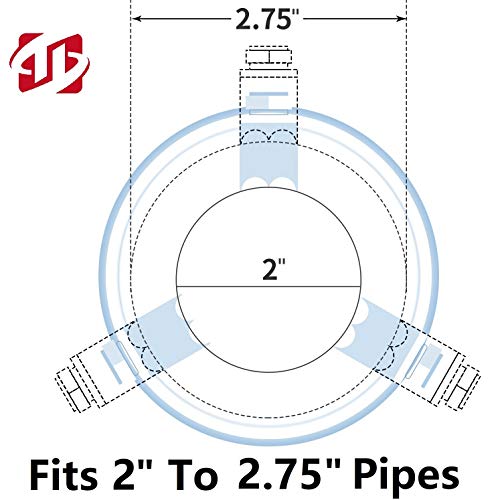
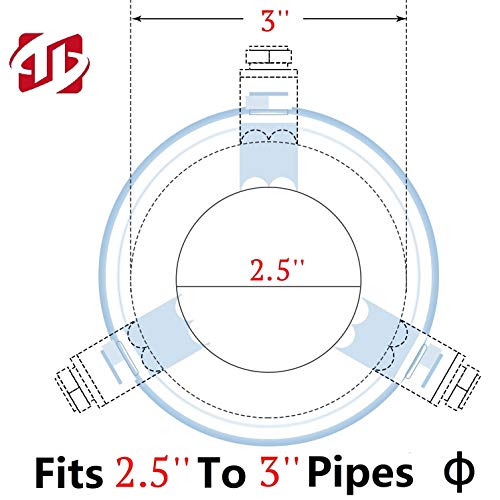
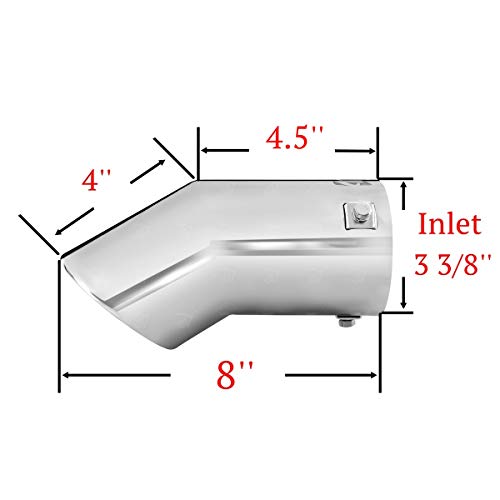
A performance pipe is useless if it cannot be integrated seamlessly into your existing system. You must determine if you are looking for a direct bolt-on replacement or a custom-length component that requires welding. Pay close attention to the flange design. High-quality flanges are precision-machined to ensure a tight, leak-proof seal against the manifold or the rest of the exhaust line. If the flange is uneven or poorly finished, you will face persistent exhaust leaks that cause annoying ticking sounds and can even trigger engine fault codes. Always verify the inlet and outlet dimensions to ensure compatibility with your existing catalytic converter or muffler assemblies.
Acoustic Profile and Sound Character
Finally, consider the 'voice' of the pipe. The shape and length of the piping influence the resonance of the exhaust note. A straight-through design will provide a much louder, more aggressive, and raw sound, which is ideal for track use but may be intrusive for daily commuting. If you prefer a deeper, more refined growl without the raspiness, look for designs that incorporate slight bends or specific internal geometries that help manage sound waves. Your choice should align with whether you want your vehicle to announce its presence or maintain a stealthy, sophisticated profile.