Define Your Driving Environment
The first mistake many enthusiasts make is buying a tire based on a single impressive statistic without considering where the car will actually spend its time. Performance tires generally fall into three distinct categories: Summer, All-Season, and Extreme Performance/Track tires. Summer performance tires utilize soft, high-grip compounds that excel in warm temperatures but become dangerously brittle and lose traction in freezing conditions. If you live in a climate with distinct winters, an Ultra-High Performance (UHP) All-Season tire is a better compromise, offering improved cornering grip than a standard tire while maintaining safety in light rain and cooler temperatures. If your goal is dedicated track days, you must look toward semi-slick or extreme performance tires that prioritize mechanical grip over longevity and wet-weather evacuation.
Understand Tread Compound and Heat Management
The 'magic' of a performance tire lies in its chemical composition. Performance tires use softer silica and polymer blends that allow the rubber to 'flow' into the microscopic imperfections of the asphalt, creating a massive contact patch. However, this softness comes with a trade-off: heat. As you drive aggressively, the friction generates intense thermal energy. A high-quality performance tire is engineered to manage this heat cycle without 'greasing over'—a phenomenon where the tire becomes too soft and loses all grip. When reading reviews, look for how a tire handles heat soak. A tire that feels incredible for the first ten minutes but falls apart during a long session is not a true performance tire.
Sidewall Stiffness and Steering Response
In a standard commuter tire, the sidewall is designed to be compliant to absorb bumps and provide a soft ride. In a performance tire, the sidewall must be stiff. When you turn the steering wheel sharply, a soft sidewall will simply roll over, causing a delay between your input and the car's reaction. This 'mushy' feeling is the enemy of precision. High-performance tires utilize reinforced sidewall constructions to ensure that the tread stays flat against the road during heavy cornering. While this results in a firmer, more communicative ride that you will feel through the chassis, it is essential for maintaining the geometric integrity of your suspension under load.
Tread Pattern and Water Evacuation
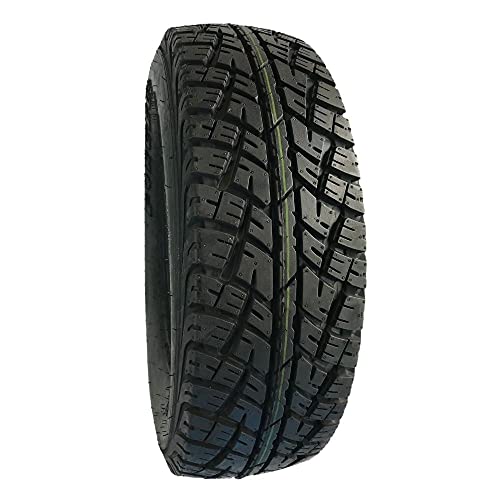
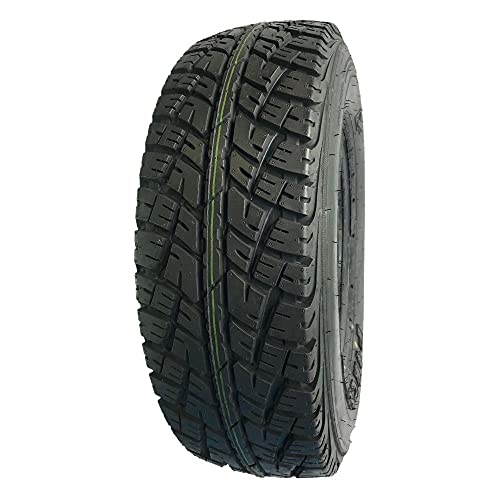
While track-focused tires often feature minimal grooves to maximize the contact patch, street-legal performance tires must still contend with hydroplaning. Look for asymmetric tread patterns, where the inner side of the tire is optimized for water evacuation and the outer shoulder is designed for lateral stability. High-performance tires often feature large, solid tread blocks to prevent the rubber from squirming under heavy braking, but they must still incorporate specialized siping or longitudinal channels to ensure you don't lose control during a sudden downpour. Balancing the 'void ratio'—the amount of empty space in the tread—is the key to finding a tire that grips the track but won't hydroplane on the highway.
The Longevity vs. Grip Trade-off
Finally, you must manage your expectations regarding tread life. The softer the rubber and the more aggressive the grip, the faster the tire will wear. A dedicated track tire might only last a single season, whereas a high-end UHP All-Season tire might last several years. Determine your budget not just by the initial purchase price, but by the 'cost per mile' of performance you are willing to tolerate.