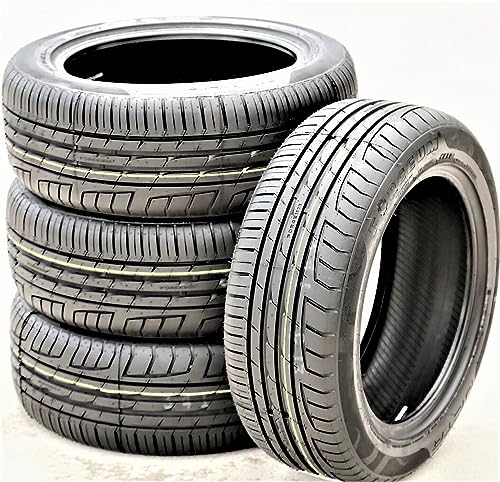
Not all performance tires are created equal. The first step in your selection process is determining where your driving style falls on the spectrum between street usability and track dominance. Generally, these are categorized into three tiers:
- Ultra-High Performance (UHP) All-Season: These are designed for the driver who wants improved cornering and braking without sacrificing the ability to drive in light rain or varying temperatures. They offer a balanced compromise between grip and tread life.
- Ultra-High Performance (UHP) Summer: These tires prioritize maximum grip in warm conditions. They utilize softer rubber compounds that provide incredible adhesion to the pavement but can become brittle and lose traction in temperatures below 45°F.
- Extreme Performance / Track Tires: These are specialized tools. They offer massive amounts of lateral grip but often have very short lifespans and are strictly unsuitable for wet or cold weather.
Key Decision Factors: Compound and Tread Pattern
The 'magic' of a performance tire lies in its compound. A softer compound provides more 'stick' by conforming to the microscopic irregularities of the road surface, but it wears down much faster. When shopping, consider your frequency of use: if you drive daily, a slightly firmer UHP compound is more cost-effective. If you are weekend racing, prioritize the softest compound available.
The tread pattern also dictates performance. Performance tires typically feature asymmetrical tread patterns, where the inner side is optimized for water evacuation and the outer side is designed for cornering stability. Look for large, continuous tread blocks on the outer shoulders. These prevent the tire from 'rolling' over during hard turns, ensuring a more consistent contact patch.
The Importance of Load Index and Speed Rating
Performance driving puts immense stress on the sidewalls of a tire. It is critical to match or exceed the load index and speed rating specified by your vehicle manufacturer. A higher speed rating (indicated by a letter such as W, Y, or (Y)) signifies that the tire's internal construction can handle the heat buildup generated at high velocities. Using a tire with a lower speed rating than required can lead to catastrophic sidewall failure during aggressive maneuvers.
Noise, Comfort, and Longevity
There is a traditional trade-off in the tire world: the more grip you have, the more noise you will endure. Performance tires often feature larger tread blocks that can create a 'hum' at highway speeds. If you use your car for long-distance touring as well as spirited driving, look for tires that feature variable pitch tread designs, which are engineered to cancel out certain sound frequencies. Additionally, always check the UTQG (Uniform Tire Quality Grading) rating for treadwear to ensure you aren't buying a tire that will require replacement after only a few thousand miles.
Summary Recommendation Logic
To make your final decision, follow this logic: If you drive 365 days a year in varying climates, choose an Ultra-High Performance All-Season. If you live in a warm climate and prioritize weekend canyon carving, opt for a Summer UHP. If your goal is purely lap times and you have a dedicated track vehicle, invest in Extreme Performance rubber.