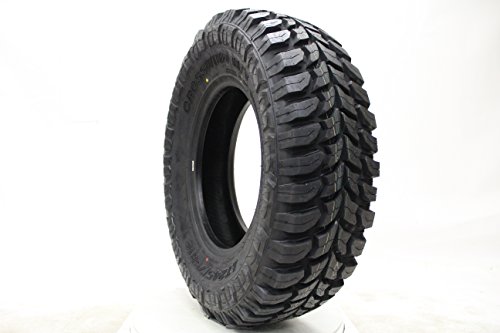
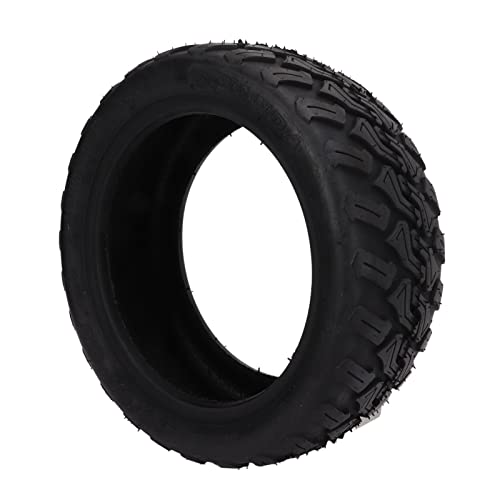
Not all performance tires are created equal. The first step in your selection process is defining your primary use case. Performance tires generally fall into three distinct sub-categories: Ultra-High Performance (UHP), Max Performance, and Extreme Performance (often referred to as track-day or R-compound tires). UHP tires are the versatile choice, offering a balance of sharp steering response and decent wet-weather capability, making them ideal for daily driving. Max Performance tires push the envelope of dry grip and cornering stability but often sacrifice some longevity and wet-weather hydroplaning resistance. Extreme Performance tires are purpose-built for the track. They offer incredible lateral G-force capabilities but typically have a shorter lifespan and can be temperamental in varying temperatures.
Key Decision Factors: Compound and Tread Design
The chemistry of the tire is just as important as the shape of the tread. High-performance tires utilize softer rubber compounds to increase friction. A softer compound provides more 'bite' into the road surface, which translates to shorter braking distances and higher cornering speeds. However, there is a trade-off: softer compounds wear out faster and can be more sensitive to heat cycles. When reviewing technical specifications, consider how much 'heat soak' the tire can handle. For enthusiast drivers, a tire that maintains consistent grip levels as it warms up is far superior to one that provides a massive initial burst of grip only to fade halfway through a spirited run.
Tread pattern design also plays a critical role. For street-legal performance, you want a pattern that manages water evacuation to prevent hydroplaning while maintaining large, continuous tread blocks. These large blocks provide the stability needed for high-speed straightaways and prevent the tire from 'squirming' under heavy lateral loads. If you are looking for a dedicated track tire, you may see much more minimal siping (the small slits in the tread), which maximizes the contact patch but significantly reduces performance in the rain.
Sidewall Stiffness and Steering Response
One of the most overlooked aspects of performance tire shopping is sidewall construction. A tire with a soft, flexible sidewall might offer a comfortable ride, but it will feel 'mushy' when you turn the steering wheel sharply. In a performance context, you want a reinforced, stiff sidewall. A stiff sidewall ensures that the tire's footprint remains flat against the pavement during hard cornering, rather than rolling over the edge. This stiffness provides the immediate, telepathic steering feedback that performance drivers crave. However, be aware that increased sidewall stiffness will result in a firmer, potentially more jarring ride over bumps and potholes.
The Importance of Load and Speed Ratings
Finally, never compromise on the technical ratings required by your vehicle's manufacturer. Performance tires carry high speed ratings (such as Y or (Y) for speeds exceeding 186 mph) which indicate the tire's ability to dissipate heat at high velocities. Additionally, ensure the load index matches your vehicle's weight distribution. A tire that is under-rated for load will suffer from excessive heat buildup and premature failure, regardless of how much grip it offers. Always cross-reference your vehicle's original equipment specifications with the performance tire's capabilities to ensure safety and optimal handling geometry.