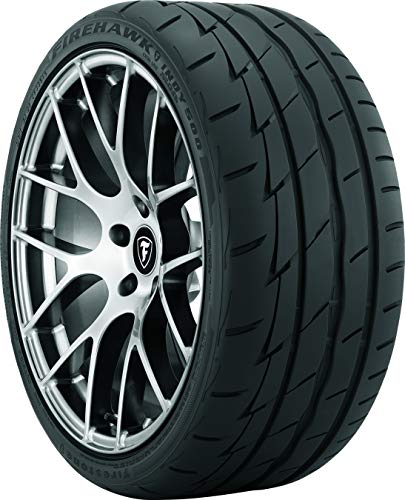
Not all performance tires are created equal. The first step in your selection process is determining which 'tier' of performance matches your driving style. Ultra-High Performance (UHP) tires are the gold standard for spirited street driving. They offer a balanced blend of grip, tread life, and wet-weather capability, making them ideal for enthusiasts who use their cars for daily commuting but want sharp handling during weekend outings. On the other hand, Extreme Performance Summer tires (often categorized as track-day or Max Performance tires) prioritize mechanical grip above all else. These utilize softer compounds that provide immense traction but typically suffer from much faster wear rates and reduced longevity. If your goal is pure lap times, the latter is necessary. If you want a tire that survives a commute, stick to the UHP category.
The Critical Role of Compound and Temperature
In the world of performance rubber, heat is both your friend and your enemy. High-performance tires are engineered to operate within specific temperature windows. A dedicated track tire may feel 'greasy' or lose grip if it hasn't reached its optimal operating temperature, whereas a standard touring tire may overheat and degrade rapidly under intense lateral loads. When reviewing specifications, consider the 'treadwear rating.' While performance tires naturally have lower ratings than economy tires, a rating of 200–300 suggests a versatile UHP tire, while a rating below 100 indicates a specialized soft-compound tire meant for short bursts of extreme intensity. Understanding this trade-off is essential to avoid the frustration of a tire that feels incredible for ten minutes but disintegrates after a month of heavy use.
Tread Pattern and Seasonal Versatility
Performance tires are generally split into two camps: Summer and All-Season. Summer performance tires feature asymmetric tread patterns designed to evacuate water efficiently while maintaining a large, stable contact patch for cornering. They are unmatched in dry and wet grip but become dangerously hard and lose traction entirely when temperatures drop below 45°F (7°C). If you live in a climate with distinct seasons, you might consider a High-Performance All-Season tire. These utilize advanced silica compounds that allow the rubber to remain pliable in cooler temperatures while still offering significantly better lateral stability than a standard touring tire. However, be aware that you will always sacrifice a degree of ultimate dry grip to achieve this year-round versatility.
Noise, Comfort, and Steering Feedback
A common misconception is that all performance tires are loud and harsh. While aggressive tread blocks are necessary for stability, modern engineering has introduced noise-reduction technologies, such as variable pitch tread patterns, which help cancel out road hum. You should also consider 'steering feel.' A high-quality performance tire should offer crisp, communicative feedback through the steering wheel, allowing you to feel the limit of adhesion. If a tire feels 'mushy' or delayed during turn-in, it likely lacks the necessary sidewall stiffness required for high-performance driving. Look for tires with reinforced sidewalls to ensure that your steering remains precise even under heavy cornering loads.